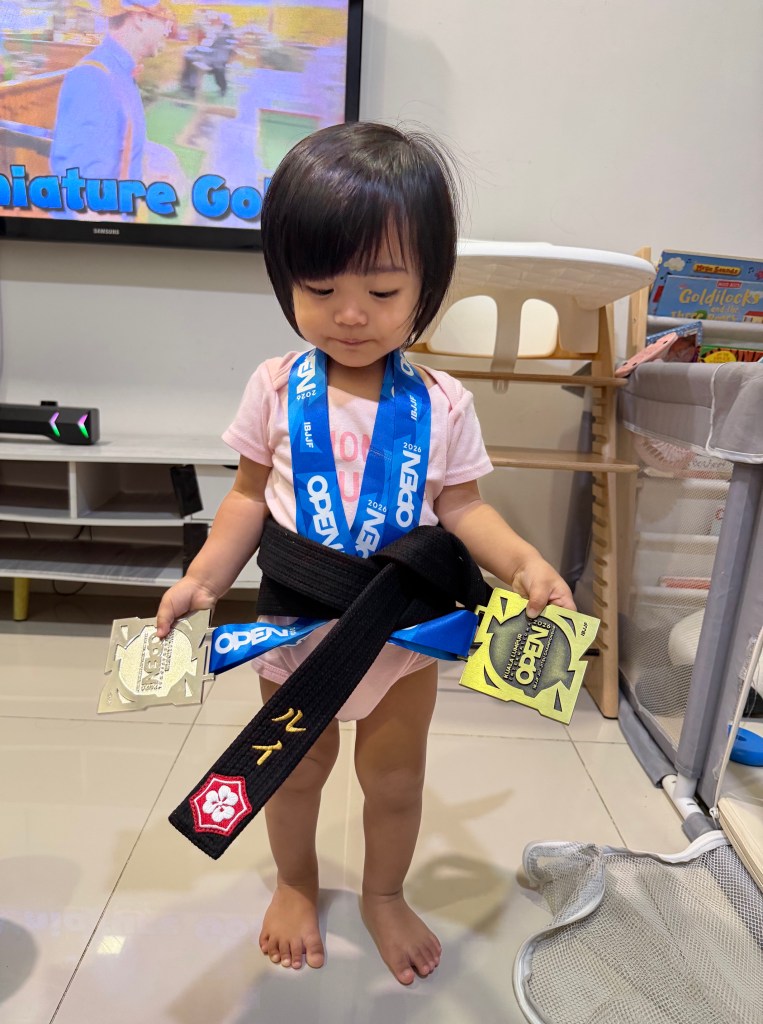
Interview with Fitri Rosmin -Daisho Jiu-Jitsu
From Sabah to Kuala Lumpur: Fitri Rosmin | Nova Uniao Malaysia
From watching a triangle choke in 2010 to raising Malaysia’s next generation of champions.
Meet Fitri Rosmin — BJJ black belt, competitor, and full-time kids’ coach at Daisho Jiujitsu (Nova União)in Kuala Lumpur.
After years of travelling, training, and learning from gyms around the world — including regular training with elite teams in Japan — Fitri chose Kuala Lumpur as home base to build something bigger than a gym: a pipeline of young Southeast Asian athletes who can reach the world stage.
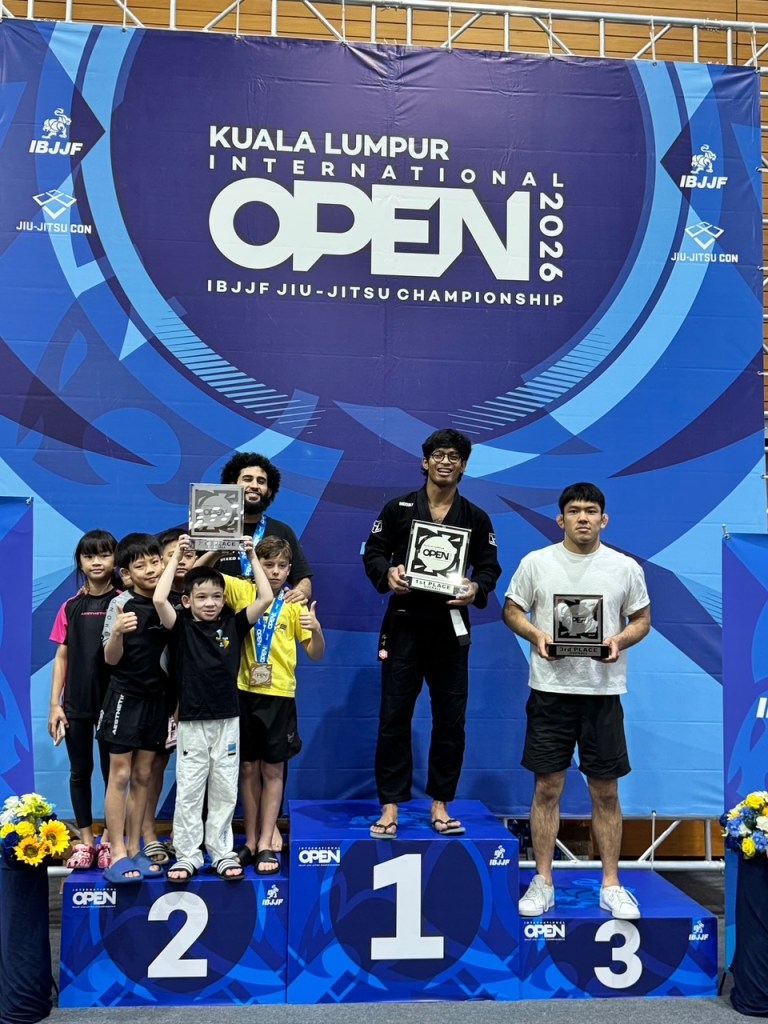
His biggest coaching win so far? Leading his kids’ team to the overall kids’ team title at the 2026 IBJJF Kuala Lumpur Open — all while balancing fatherhood, competition, and recovering from a serious neck injury doctors told him would end his mat time.
His philosophy: “Kids are like a blank piece of paper. As coaches, we shape that paper through the techniques we teach, the habits we build, and the values we pass on.”
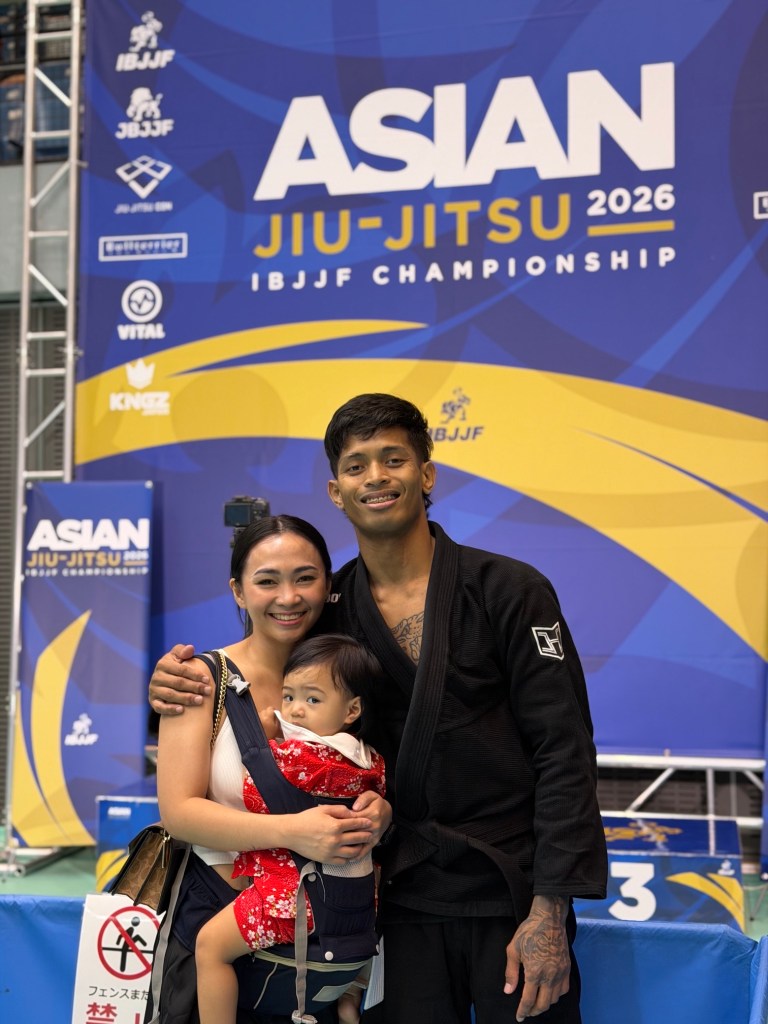
Q1. Can you kindly introduce yourself?
My name is Fitri Rosmin, and I’m a Brazilian Jiu-Jitsu black belt, competitor, and full-time coach based in Kuala Lumpur, Malaysia. I represent Daisho Jiujitsu under the Nova União team, where my main focus is developing kids and young athletes.
I’ve been involved in Jiu-Jitsu since around 2010, and over the years, my focus has evolved from competing and improving myself to helping others understand the art at a deeper level. I strongly believe that kids aren the future of Jiu-Jitsu, and investing in their development today will help shape the future of our sport.
For me, coaching kids is about more than just teaching techniques or preparing them for competitions. It’s about helping them build confidence, discipline, resilience, and a genuine love for Jiu-Jitsu. My goal is to create an environment where young athletes can grow, reach their potential, and become not only better competitors but also better individuals.
You’ve had quite the journey coaching and competing around the world. It’s quite shocking to now see you with a base and a new family. Its heartwarming to see mate.
Life, experience, and fatherhood
Haha, I know, mate! Life has changed quite a bit over the years. I’ve spent so much of my life travelling, training, competing, and learning from different people and Jiu-Jitsu communities around the world. Those experiences have taught me a lot, not just about Jiu-Jitsu, but also about coaching, different training cultures, and how people develop in this sport.
I believe all those experiences are now my upper hand when it comes to developing the next generation. I’ve had the opportunity to see different approaches, learn from different coaches, and experience Jiu-Jitsu beyond just my own gym. I want to use everything I’ve learned to help the younger generation develop better, both technically and mentally.
But honestly, becoming a father takes everything to another level. It gives you a completely different perspective on life. Your priorities change, and you start thinking beyond yourself. It’s no longer just about what you want to achieve, but also about the example you want to set for your child and the future you want to build for your family.
Jiu-Jitsu has taught me discipline, patience, and perseverance, but fatherhood is teaching me a whole different level of those things! I’m grateful for the journey so far, and now I’m excited to use my experience to build something meaningful through Daisho, raise the standard of coaching, and help develop the next generation of Jiu-Jitsu athletes.
Hopefully, I can also become someone my daughter can look up to, both on and off the mats.
Q3. How did you get into Jiu-Jitsu?
I started Jiu-Jitsu around 2010, after watching my friend Adrian compete in MMA and win a fight with a triangle choke. That moment caught my attention, and I started researching Brazilian Jiu-Jitsu to understand more about the art. Eventually, I began training with him.
Around 2012, I decided to take Jiu-Jitsu more seriously and started training under Allen Salomon Chong. It was during this period that my passion for the sport really began to grow. In early 2014, I met Dan, and we eventually became good friends. Over the years, the people I’ve met, the experiences I’ve had, and the lessons I’ve learned through Jiu-Jitsu have shaped not only the way I train, but also the way I coach and approach life.
Fitri Rosmin — Interview Answers Page 2Looking back, what started as curiosity after watching an MMA fight has become a huge part of my life. Jiu-Jitsu has given me opportunities to compete, travel, build friendships, and eventually dedicate myself to coaching and helping others develop through the sport.
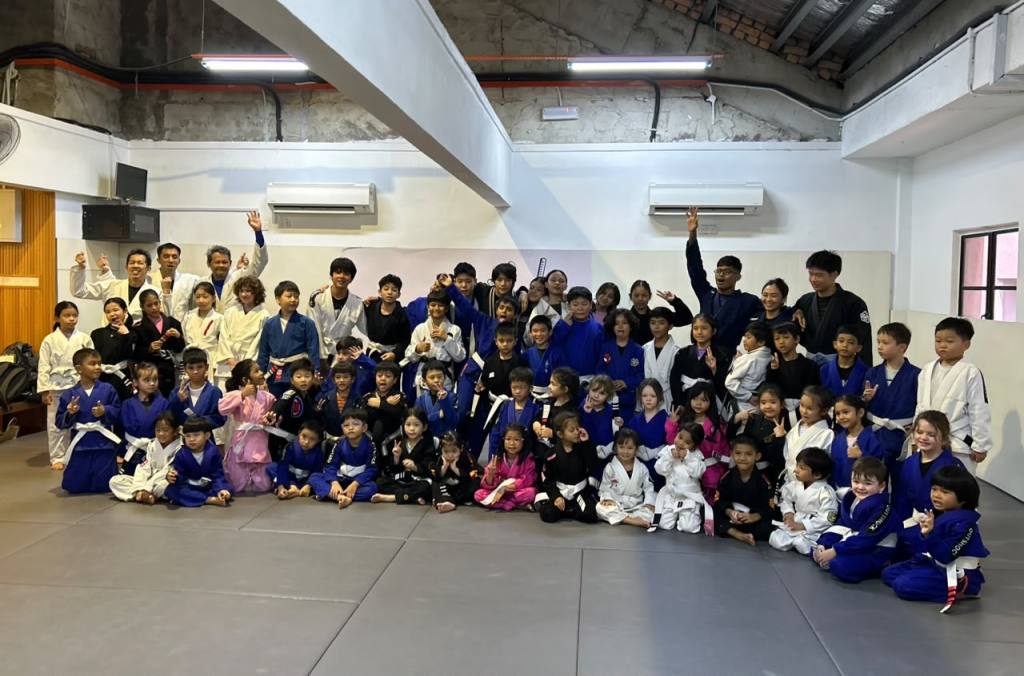
Q4. You are currently coach in Kuala Lumpur & operate Daisho Jiu-Jitsu under Professor Makoto Oga, how did this come about?
I ended up in Kuala Lumpur after the pandemic, when my good friend Miran offered me an opportunity to run a gym here. It felt like a good opportunity to continue my journey in Jiu-Jitsu and build something of my own.
Makoto and I have also been good friends since back in the day, so the relationship has always been there. Being under Nova União is built on that existing friendship and the connection we’ve had through Jiu-Jitsu over the years.
For me, it has always been about more than just running a gym. I want to build a strong team, continue learning, and especially focus on developing kids and young athletes. I believe the experiences I’ve gained from travelling, competing, and learning from different people can help me give the next generation a better foundation in Jiu-Jitsu.
Q5. Kuala Lumpur or Malaysia has an interesting Jiu-Jitsu culture, did you see a gap in the market or what was the reason you chose to operate Daisho there?
I think Kuala Lumpur is one of the main hubs in Malaysia for business, sports, and international connections.
It brings together people from different backgrounds, and there’s a strong opportunity to connect with the wider Jiu-Jitsu community here.
Another big factor is the competition scene. There are plenty of competitions happening in Kuala Lumpur, including IBJJF events, which gives athletes more opportunities to compete, gain experience, and measure their progress against different opponents.
For me, it wasn’t just about seeing a gap in the market. I saw the potential to build a strong team in a city where Jiu-Jitsu is active and growing. I’m particularly passionate about developing kids and young athletes because I believe they are the future of our sport.
Being based in KL also makes it easier to connect with international coaches and competitors, bring in different perspectives, and give our students more opportunities to learn.
Ultimately, I want Daisho Jiujitsu to be more than just a place to train. I want it to be a place where people can develop their skills, compete at a higher level, and grow together as a team.
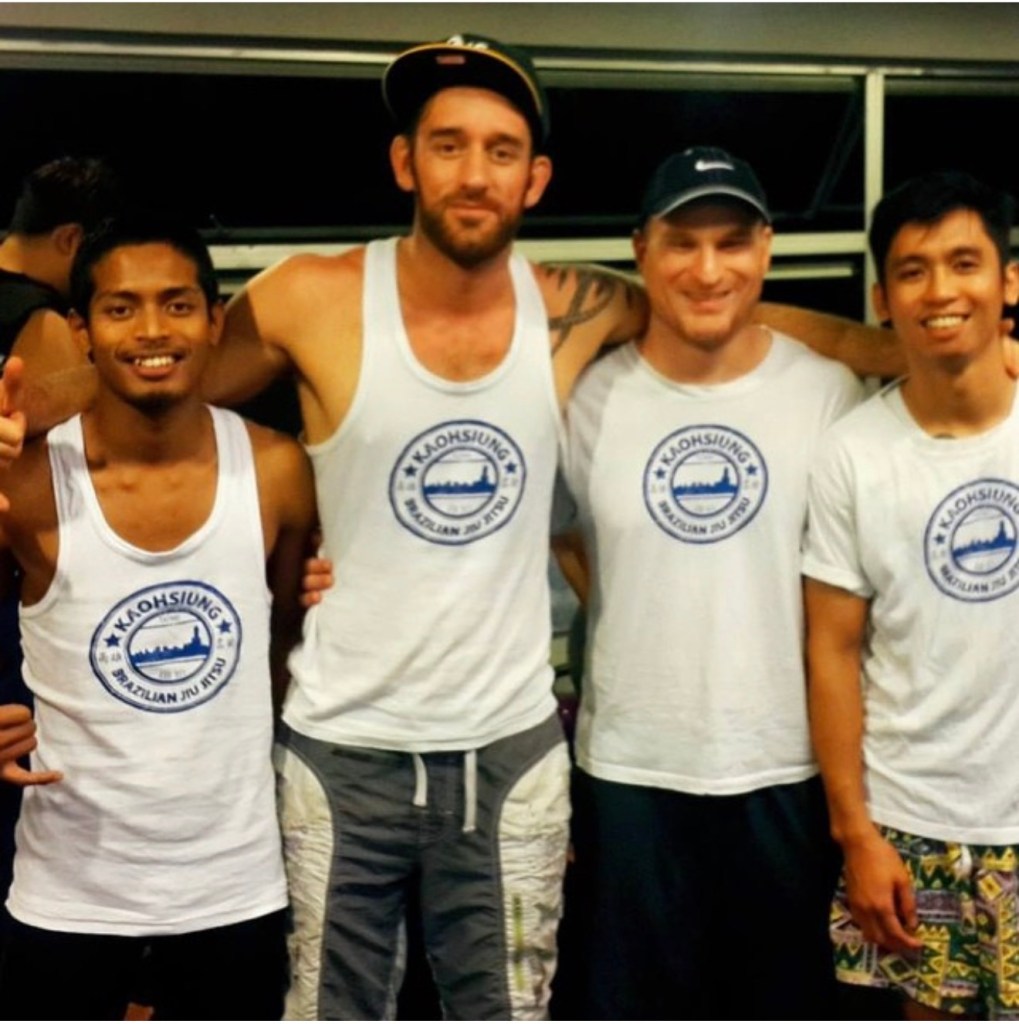
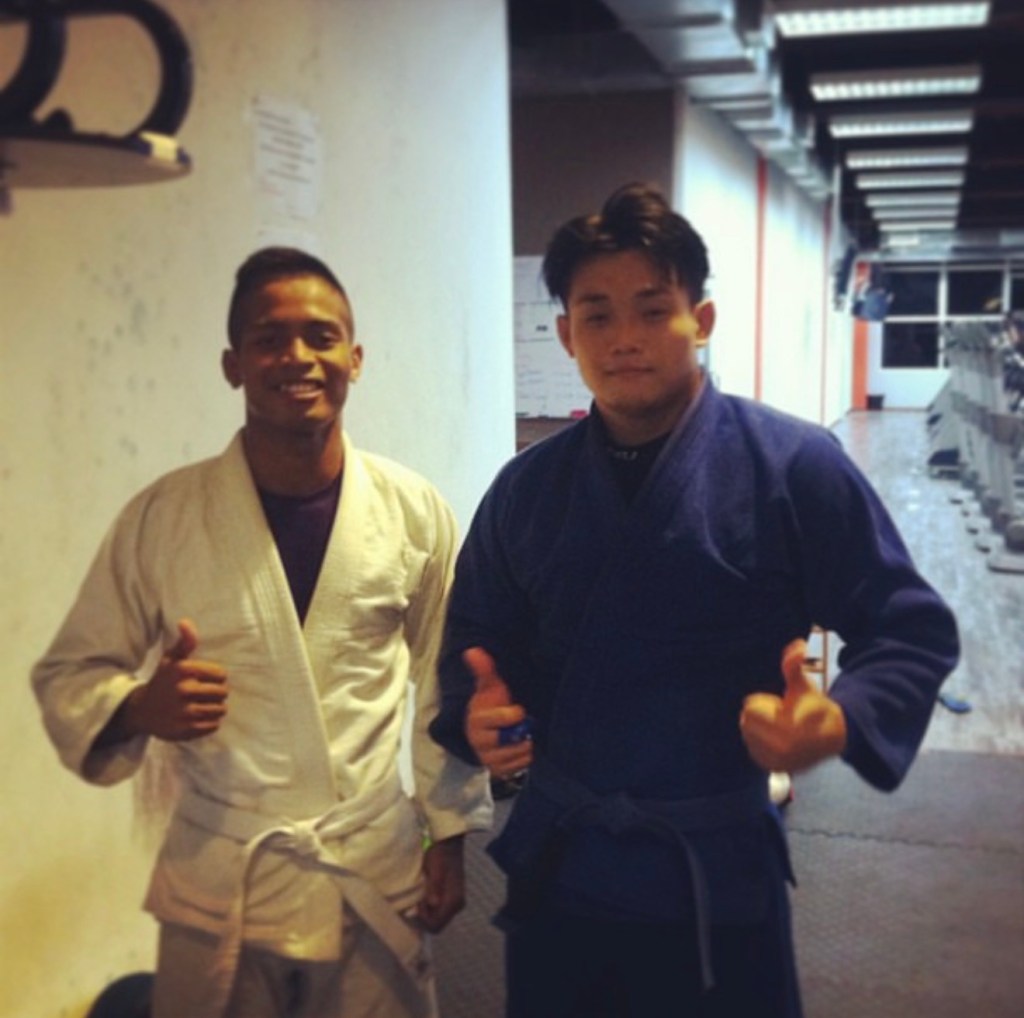
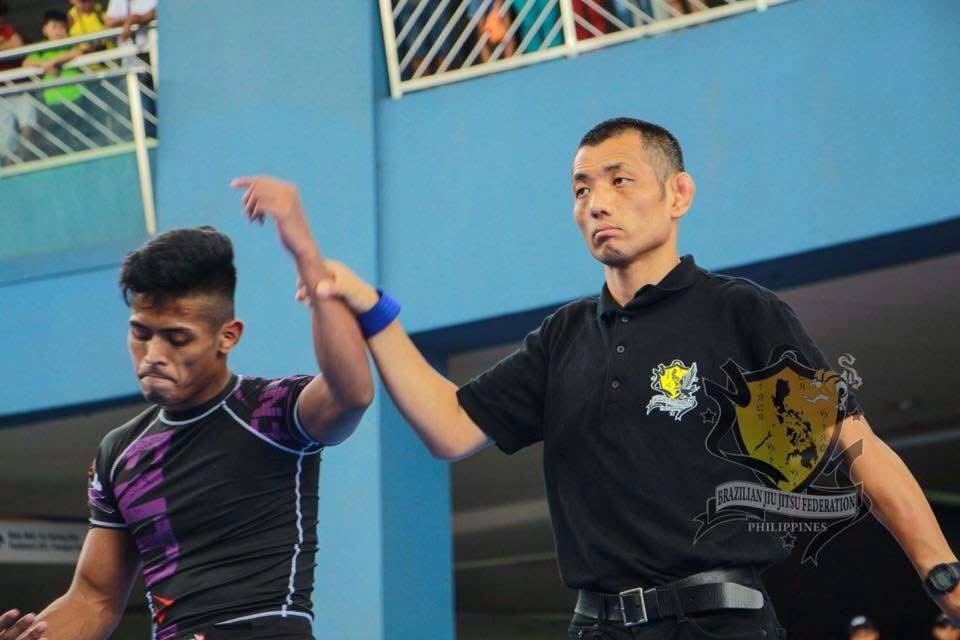
Q6. How is the current Jiu-Jitsu scene in Malaysia? From what I see there are gyms expanding.
I think the BJJ scene in Malaysia is growing, especially in Kuala Lumpur, where there are more competitions and opportunities for athletes. We can see gyms expanding, but I think the next step is to focus on building a stronger ecosystem and developing young athletes who can represent Malaysia at the highest level in the future.
Growth is good, but I believe investing in the next generation and improving the overall level of Jiu-Jitsu are just as important as expanding the business.
Q7. Tell us about how your focus shifted from when we first met at Purple belt to now as a Black belt?
When I was a purple belt, my main focus was on improving my own Jiu-Jitsu, competing, and becoming a better athlete. Now, as a black belt and coach, my perspective has changed. I’m still learning and improving myself, but I’m also focused on understanding the deeper details of Jiu-Jitsu and how to pass that knowledge on to others.
Coaching kids is definitely not easy, but it’s something I genuinely enjoy. For me, teaching kids is almost like making music. You need to know when to raise your voice, when to be firm, and when to relax and have fun with them.
A good song has its verses, bridges, and choruses. There are moments when the music builds up, moments when the pitch rises, and moments when it slows down. All these different elements come together to make people enjoy the song, connect with it, and want to listen to it over and over again.
I see teaching kids in the same way. You need to understand when to bring energy into the class, when to demand their attention, when to challenge them, and when to play around and make them laugh. If everything is serious all the time, you can lose them. But if everything is just fun, they might not learn as much as they could.
The key is finding the right balance so the kids enjoy Jiu-Jitsu, stay engaged, and become excited to come back and learn more. As a black belt, I’ve realised that knowing Jiu-Jitsu is one thing, but knowing how to make someone else understand and fall in love with it is a completely different skill.
That’s something I continue to work on every day.
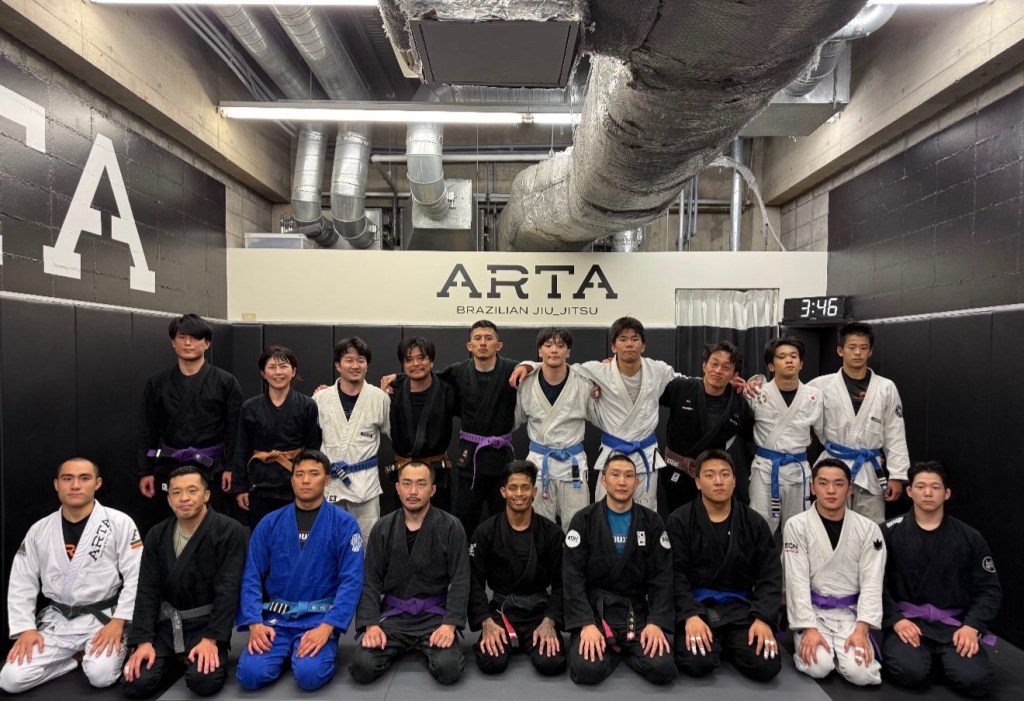
Q8. You’ve been brining in some of Japan’s best competitors and coaches to Daisho, how did this come about?
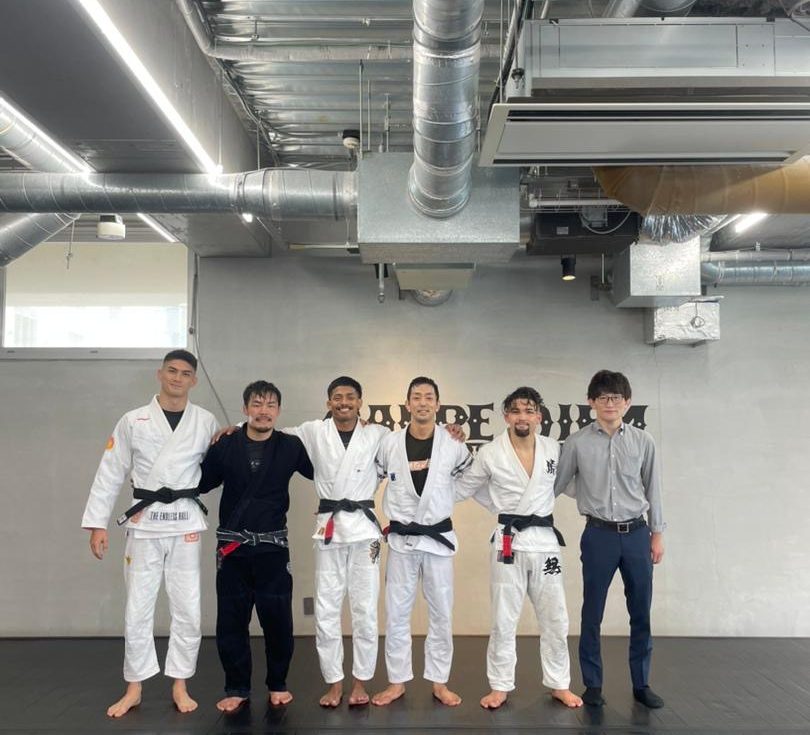
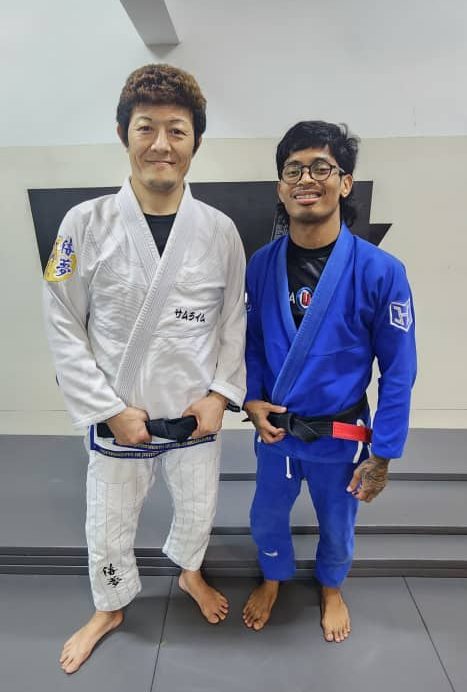
I’ve been training with my friends in Japan for years, especially the team at Mita, which was previously well known as Carpe Diem Mita. They have some incredibly high-level athletes in Japan, including some of the best young competitors, and I’ve always admired the way they approach training and athlete development.
For me, bringing these coaches and competitors to Daisho is about much more than just organising seminars. I believe Japan is one of the leading Jiu-Jitsu countries in Asia, and I want to learn from their experience and share that knowledge with the younger generation here in Malaysia and across Southeast Asia.
What interests me most is not just their techniques or competition results, but also their daily routines, discipline, mindset, and the way they develop young athletes. I want our kids to understand that becoming a great competitor takes more than talent. It requires consistency, discipline, the right environment, and good coaching from an early age.
I genuinely believe we have talented kids in Malaysia and Southeast Asia who could become world-class athletes one day. Sometimes, they just need the right guidance, exposure, and opportunities to see what is possible. If I can bring in experienced coaches and competitors to share their knowledge, inspire our young athletes, and help raise the standard of coaching here, then I feel I’m doing something meaningful for the future of our sport.
My long-term goal is to help develop the next generation of Jiu-Jitsu athletes in Malaysia and Southeast Asia, and hopefully, one day, see our kids standing on the world stage as world champions. I may not be able to achieve that overnight, but I believe it starts with the work we put in today.
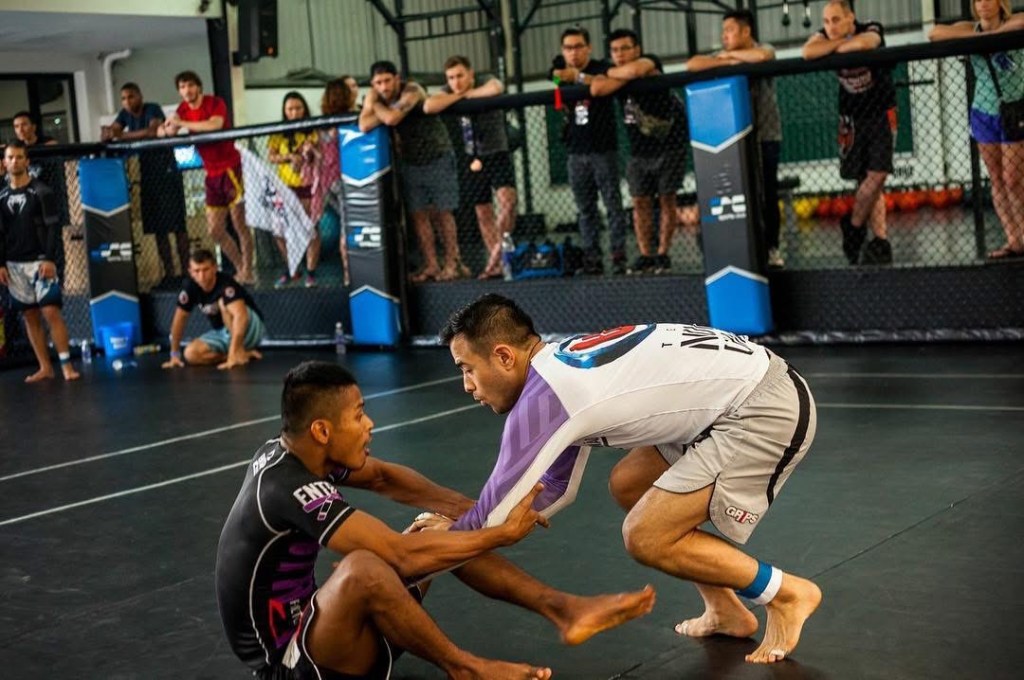
Q9. Tell us what is so unique about this camp? A kids camp is a great but seems to have more challenges to coordinate.
For me, what makes this camp unique is that it’s not just about bringing high-level athletes to Malaysia to teach techniques. It’s about giving our kids the opportunity to learn from people who have experience developing and competing at a very high level, and hopefully helping them see what they can achieve in the future.
Of course, organising a kids’ camp comes with more challenges. Kids have different levels of understanding, different personalities, and different ways of learning. You need to know how to keep them engaged, challenge them, and make sure they’re enjoying the process while still learning something meaningful. But I think that’s also what makes it so rewarding.
For me, kids are like a blank piece of paper. As coaches, we have the opportunity to shape that paper through the techniques we teach, the habits we build, and the values we pass on.
I always see coaching a bit like creating a painting. If you take the time to create something beautiful, that painting will represent your work wherever it goes. People may not know who the artist is, but they can see the quality of the work. But if you rush it or don’t put in the right effort, well… you can imagine what that painting might look like! ■
I see young athletes in the same way. If we give them the right technical foundation, discipline, mindset, and understanding from an early age, they can carry those lessons with them throughout their Jiu-Jitsu journey.
That’s one of the reasons I wanted to bring coaches and competitors from Japan to this camp. I want our kids to experience not only their techniques, but also their approach to training, their discipline, and the standards they maintain. Sometimes, seeing and learning from someone who has reached a high level can inspire a young athlete to believe that they can achieve something similar one day.
Of course, we can talk about how good our coaching is, but eventually, the results will show. When the kids step onto the competition mats, we get to see how well they can apply what they’ve learned. Competition reveals a lot about their preparation, habits, discipline, and understanding.
Ultimately, I don’t see this camp as just a three-day event. I see it as an investment in the future of Jiu-Jitsu in Malaysia and Southeast Asia. We may not see the full results immediately, but if we give these kids the right guidance and opportunities today, hopefully, years from now, we’ll see them become not only world-class competitors, but also good people who can contribute to the next generation.
For me, that’s the real purpose of this camp. It’s not just about developing champions for the next tournament; it’s about building the foundation for champions of the future.
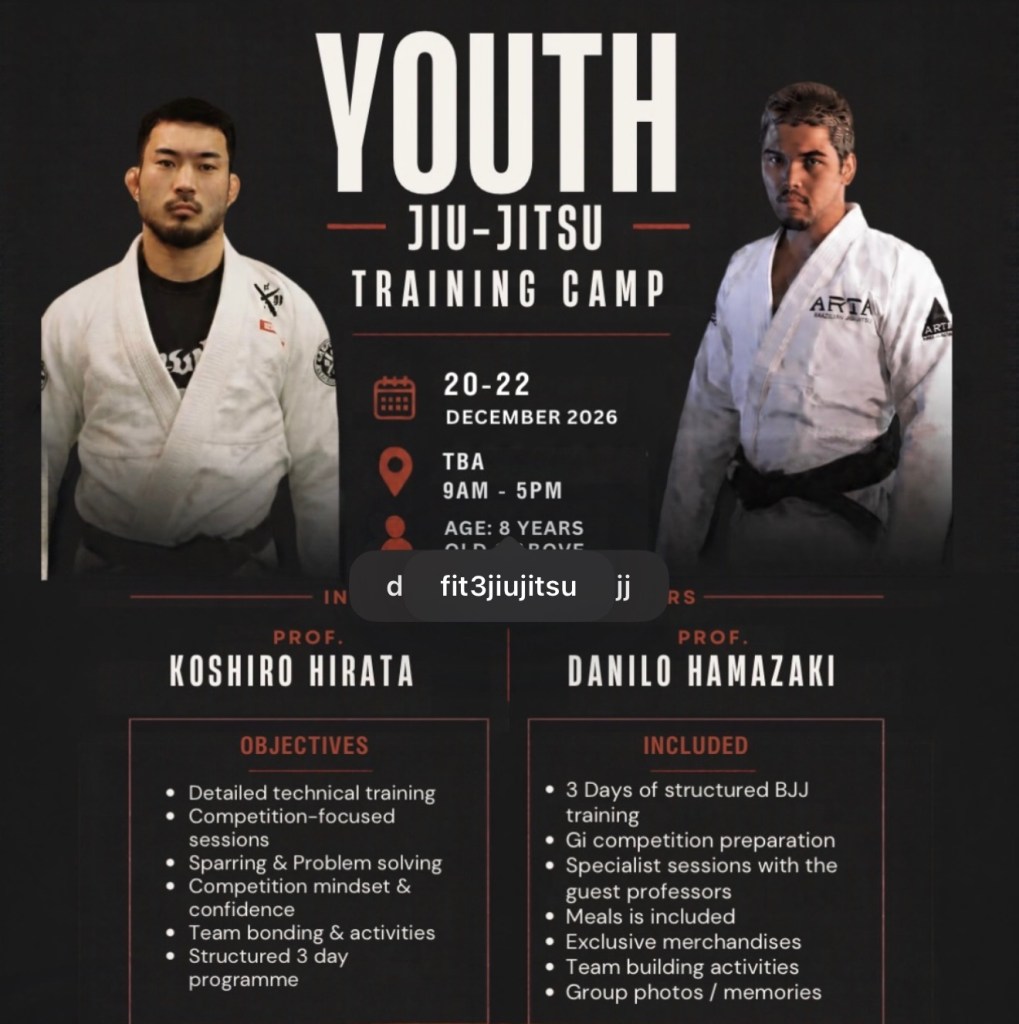
Q10. Who would you recommend this camp to and why?
I would recommend this camp to young athletes from all across Southeast Asia who love competing and want to take their Jiu-Jitsu to the next level. It’s for kids who want to learn how to make every competition a learning experience, understand their mistakes, and come back stronger for the next one.
The goal is not just to win medals, but to develop better skills, confidence, discipline, and the right competitive mindset to keep improving and reach their full potential.
Q11. If you were to recommend 3 other gyms where would you recommend and the reason for the choices?
1. TGC, Malaysia
I have to admit that TGC has some very strong kids competitors. They have built a competitive team, and I respect the level of their young athletes and the work that goes into developing them.
2. Carpe Diem, Singapore
Carpe Diem is another gym I would recommend because of its presence in the Singapore Jiu-Jitsu scene and its contribution to developing athletes. I believe there is a lot young competitors can learn from training and competing against athletes from different teams.
3. Evolve MMA, Singapore
Evolve MMA is a well-established name in the martial arts scene. I respect its professional training environment and the opportunities it provides for athletes to learn, develop their skills, and pursue excellence.
4. Enjoy the Process, Singapore / Bali
If I could choose one more, Enjoy the Process would definitely be on my list. I appreciate the philosophy behind the name itself — focusing on the journey, continuous improvement, and developing athletes beyond just winning medals. I would love to see more gyms in Southeast Asia share this mindset, where the focus is not only on results but also on building a strong foundation for young athletes to grow in Jiu-Jitsu and in life.
Q12. What has made you stay in Kuala Lumpur this time?
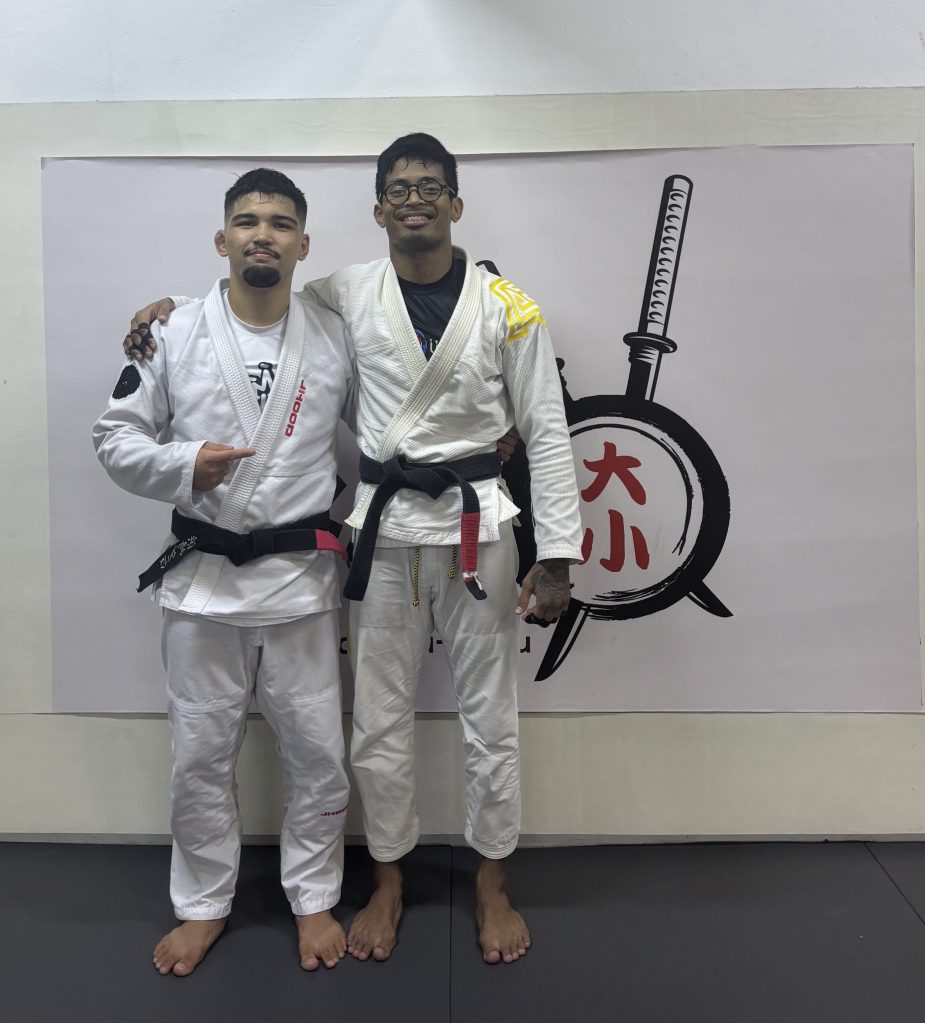
Having a family and becoming a father have changed my perspective on life. Staying in Malaysia makes things much easier for me, as I can be closer to my hometown in Sabah and spend more time with my family.
At the same time, Kuala Lumpur is one of the main hubs for Jiu-Jitsu in Malaysia, offering more opportunitiesbto grow as a coach, build connections, develop the local Jiu-Jitsu scene, and create business opportunities.
For me, staying in KL allows me to balance my responsibilities as a father with my passion for Jiu-Jitsu, while continuing to grow professionally and contribute to the development of the sport in Malaysia.
Q13. What has been your biggest achievements and challenges you’ve had both on the mat?
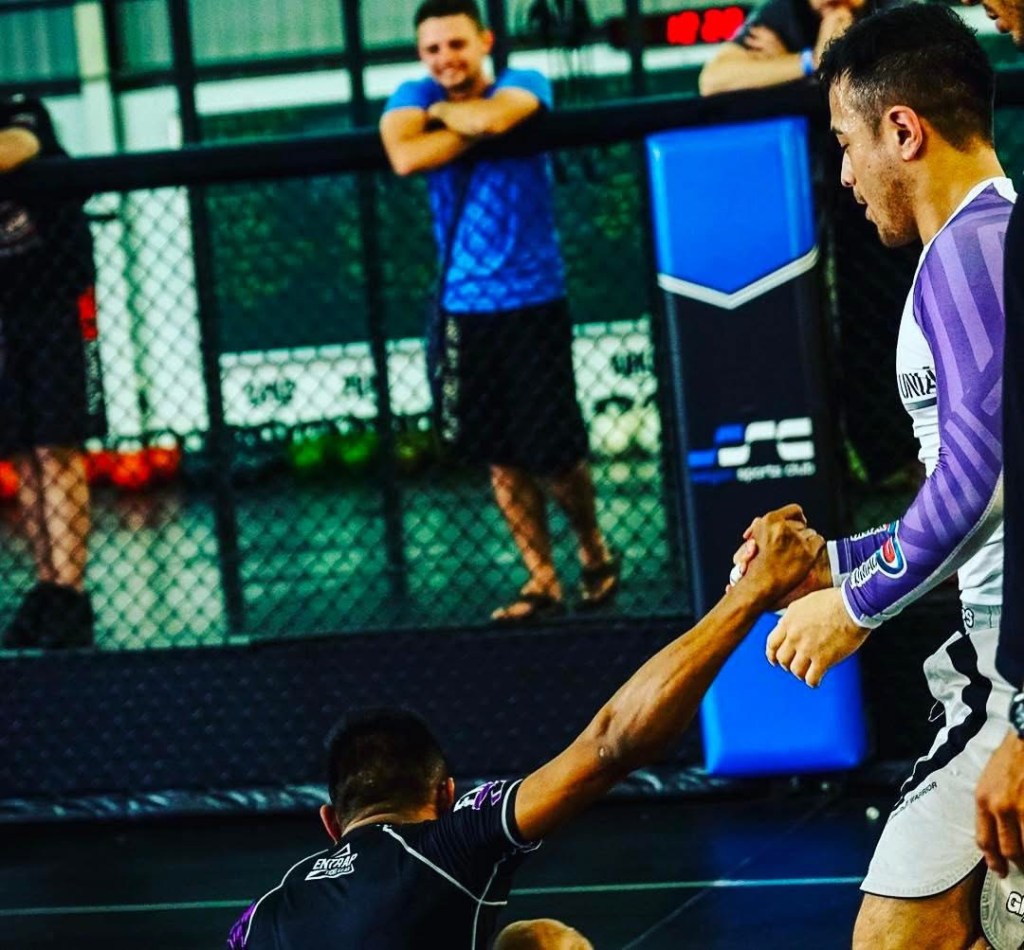
One of my biggest achievements has been earning my black belt, competing in IBJJF tournaments, and leading my kids’ team to win the overall kids’ team title at the 2026 IBJJF Kuala Lumpur Open. As a coach, I’m proud to help develop young athletes and prepare them to compete internationally.
My biggest challenges have been overcoming a serious neck injury and returning to the mats despite doctors advising me to stop, while balancing competition, coaching, and family responsibilities. These experiences have taught me resilience and motivated me to become a better coach and help develop the next generation of Malaysian Jiu-Jitsu athletes.
Q14. What advice can you give to any wanting to travel, work and train in SE Asia?
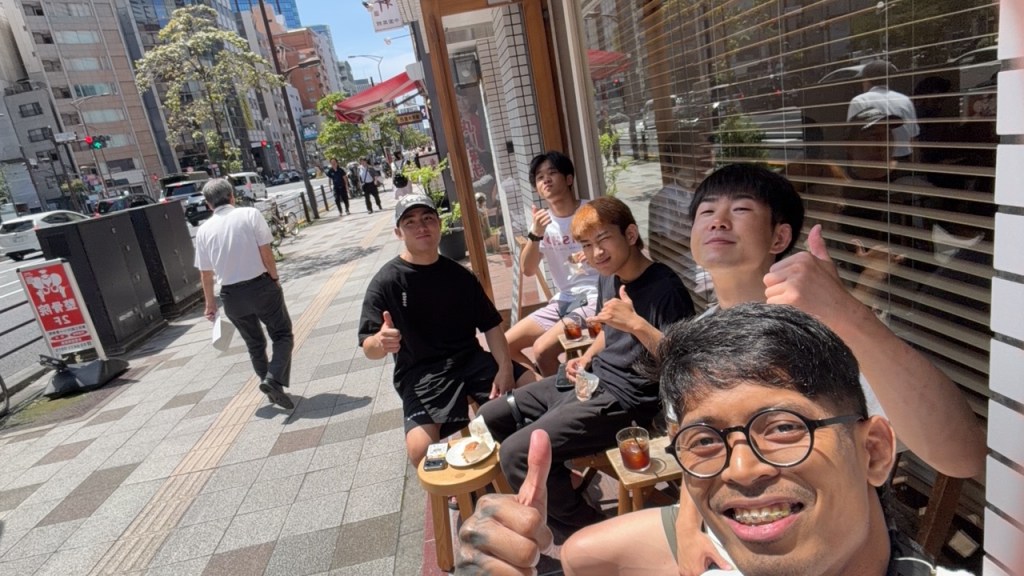
My advice would be to come with an open mind, be humble, and be willing to learn. Southeast Asia has a lot to offer in terms of Jiu-Jitsu, culture, and different coaching styles.
Be patient, especially if you want to work as a coach. Teaching Jiu-Jitsu is not just about sharing techniques; it is about understanding different people and knowing how to help them grow. Teaching kids and adults requires a different approach, so learning how to balance both is important.
With kids, you need patience, creativity, and the ability to make learning enjoyable while building their fundamentals. With adults, you need to understand their individual goals, whether they train for competition, fitness, self-defence, or personal development.
Don’t just travel to train. Take the time to connect with local coaches, understand their philosophy, share your knowledge, and build genuine relationships. If you want to work here, focus on what you can contribute to the community rather than what you can gain from it.
For me, Jiu-Jitsu is not just about medals or business. It’s about exchanging knowledge, developing people, and growing together. Sometimes, the most valuable lessons come from the people you meet and the experiences you have outside the mats.
Come with a willingness to learn, respect the local community, be patient with the process, and enjoy the journey. If you do that, Southeast Asia can offer you much more than just a place to train.
Q15. Which country is growing fastest in grappling in Asia?
I would say the UAE, especially Abu Dhabi. It has one of the strongest and most developed Jiu-Jitsu ecosystems in Asia, with major international competitions, strong government support, and a clear pathway for developing young athletes into champions.
For me, the UAE is a benchmark for how a country can grow Jiu-Jitsu through long-term investment and youth development.
Q16. What are your future plans?
My future goal is to see Malaysian Jiu-Jitsu athletes compete on the world stage, starting from the youth level and continuing all the way into adulthood. I want to help develop young athletes with the right skills, discipline, mindset, and competition experience so they can grow into world-class competitors.
With the connections I have built in the Jiu-Jitsu community, I believe I can create more opportunities for our young athletes to learn directly from some of the best coaches and competitors in the world. My goal is to bring that knowledge and experience to Malaysia, give our athletes greater exposure, and help them compete at the highest level internationally.
For me, success is not just about winning medals today, but building a strong foundation for the next generation of Malaysian athletes to represent our country proudly on the world stage, from youth to adulthood.
Q17. If there was one last message you can impart to people, what would it be?
My message to coaches is: never give up on your kids, and always be patient with them. You will be surprised how quickly time flies. The kids you teach today will grow up before you know it, and one day, they may become your training partners.
Remember, every child develops at a different pace, and sometimes they just need someone who believes in them.
To parents, please don’t give up on your children just because they lose one competition. Losing is part of learning and growing. Don’t stop sending them to Jiu-Jitsu just because they say they don’t feel like going that day. Think about the values, discipline, confidence, and resilience that Jiu-Jitsu can teach them, and how these lessons can benefit them in the future.
And to coaches who think they don’t enjoy teaching kids, I would encourage you to give it a chance. Learn how to connect with them, understand them, and be patient with their progress. Trust me, once you see them grow, improve, and achieve things they never thought possible, you will understand how rewarding it is.
You might even discover a love for coaching kids that you never knew you had.