Smother the Narrative: An Interview with Chelsey Cashwell
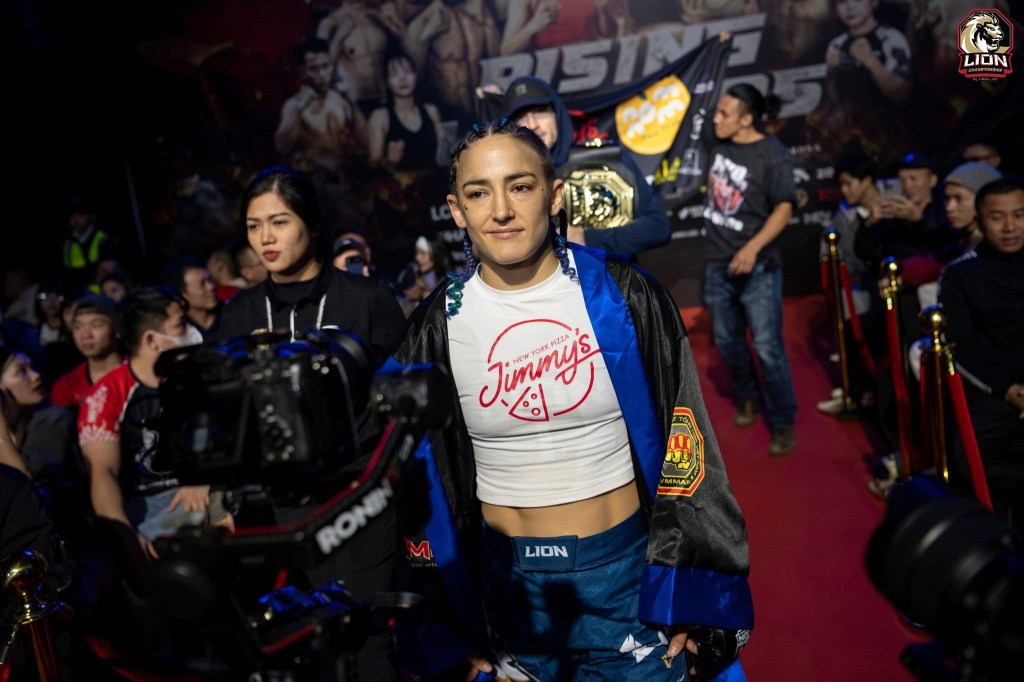
Professional MMA fighter, pro-level grappler, teacher, and community advocate Chelsey Cashwell—known in competition as “Chelsey Machete”—has built her life in Vietnam around martial arts. After becoming the first women’s bantamweight MMA champion in Vietnamese history, Chelsey is now turning her attention toward creating lasting opportunities for women through Smother Nature. In this interview, she discusses her journey from boxing to Brazilian Jiu-Jitsu, the challenges facing female fighters, the health consequences of weight cutting, and her mission to build a martial arts community where women are not simply allowed to participate, but are given a permanent place to belong.
1. Can you introduce yourself?
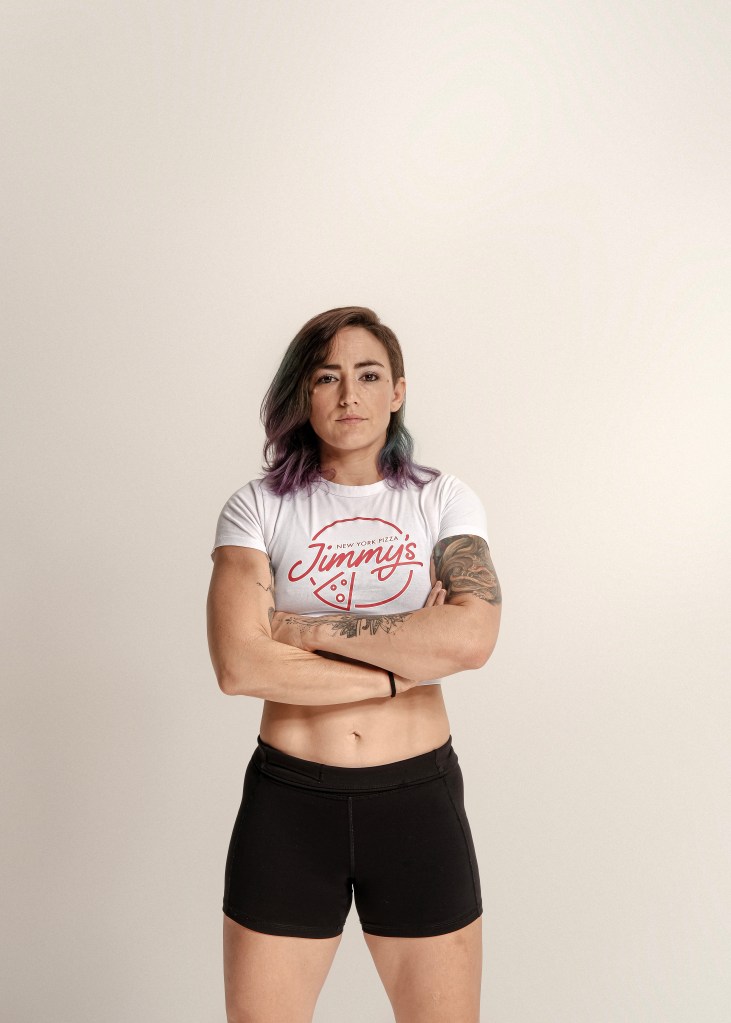
Friends call me Chelsey, and announcers call me Chelsey Machete. “Machete” underlines the messy, brutal nature of my fighting style.
I’m a professional MMA fighter, and I grapple at the professional level whenever I’m presented with the opportunity, including ADCC. I’m currently a full-time teacher, but I’m transitioning out of the classroom to focus on growing the martial arts community for women in Vietnam—and hopefully, one day, around the world.
2. Sports seem to have been part of your life from an early stage. What brought you to Vietnam?
A series of unfortunate events—nothing to do with sports.
Long story short, I moved to China with a guy. Things didn’t work out with the guy or the job, but instead of throwing in the towel and going home, I took a leap of faith and moved to Vietnam to see what all the buzz was about.
All my friends raved about how awesome Vietnam was and told me that I could easily find a teaching job, so I came with them during the Tet holiday. The second I stepped foot in Saigon, I knew this place was special.
Seven years later, it is still home.
3. How did you get into boxing, and how did that lead you to Jiu-Jitsu?
I played sports my whole life, except during the years it took me to complete my master’s degree and my first year of teaching.
When I arrived in Vietnam, it was the first time in my adult life after college that I had both the money and the mental bandwidth to get back into sports. That is exactly what I did.
I started looking online for different sports I could try in the area, and the martial arts gyms stood out the most. Boxing seemed like the most logical place to begin, and I was right. It was exactly what I needed. It got my ass into shape very quickly and toughened me up. Once you are fit and can take a punch, I think the other disciplines become a little easier.
Once I was ready to compete in boxing, my coaches made it very clear that I would rarely, if ever, find fights at 60 kilograms. I was 61 kilograms at the time—the thinnest I had ever been.
It felt like a punch to the gut hearing that from my coaches, but I was already in love with boxing. There was no turning back. I decided to learn every discipline I could so that I would have more opportunities to throw hands in the ring.
After boxing came Muay Thai, followed by MMA. I then backtracked to Jiu-Jitsu after realizing how necessary grappling skills were for MMA.
I never really wanted to do Jiu-Jitsu. I was turned off by the hot gi, having someone pull on my neck, and being bent into a bunch of weird positions. But just like a cliché romantic comedy, the one I detested the most turned out to be my one true love all along.
It didn’t happen all at once, but slowly, over time, I became completely infatuated with grappling. Before I knew it, no one thought of me as a boxer anymore. When commentators speak about me during my MMA fights, they call me a grappler.
4. You currently train at Arkain. I hear Pato is weird. Why did you choose the gym?
I think that if you are trying martial arts for the first time, then yes, Pato is weird. But if you have trained martial arts before—specifically Jiu-Jitsu—then he is kind of a breath of fresh air.
He really is an anti-sensei. He is anti-tradition, anti-status quo, anti-jock, and he does not care about being nice. He will muffle, heel hook, toe hold, or kneebar you faster than you can say “tap.”
With that being said, there is a very strong culture at Arkain—emphasis on the “cult” part. There is something about it that just sucks you in.
And yes, Pato is weird. He is also kind of a cunt—am I allowed to say that? But he is also kind of a sweetheart. Which version you get depends on the day. He keeps us on our toes.
I started at Arkain because it was close to my house. I stayed because I could not submit anyone or pass anyone’s guard in the room.
If you want to know how good the coaches are, look at their athletes. When 45-kilogram white belts are submitting and frustrating a visiting 65-kilogram MMA fighter, you know the coaches are doing something right.
I’m not saying I was particularly good at Jiu-Jitsu when I arrived. I wasn’t. I was only a low-level blue belt. But I had a clear weight advantage and a certain grittiness that could take me a long way in some rooms. Even with those advantages, I was completely disarmed at Arkain.
I kept coming back because everyone had a clear technical advantage over me, regardless of their weight, experience, or will. I knew I was the weakest person in the room, so I kept returning until I wasn’t.
During my time there, I have watched Pato and Hiep adjust their coaching methods and the structure of their classes. I think there is a combination of genius and informed decision-making behind those changes.
I have personally benefited from them, and I will always continue training wherever I feel seen and cared for as both a person and an athlete.
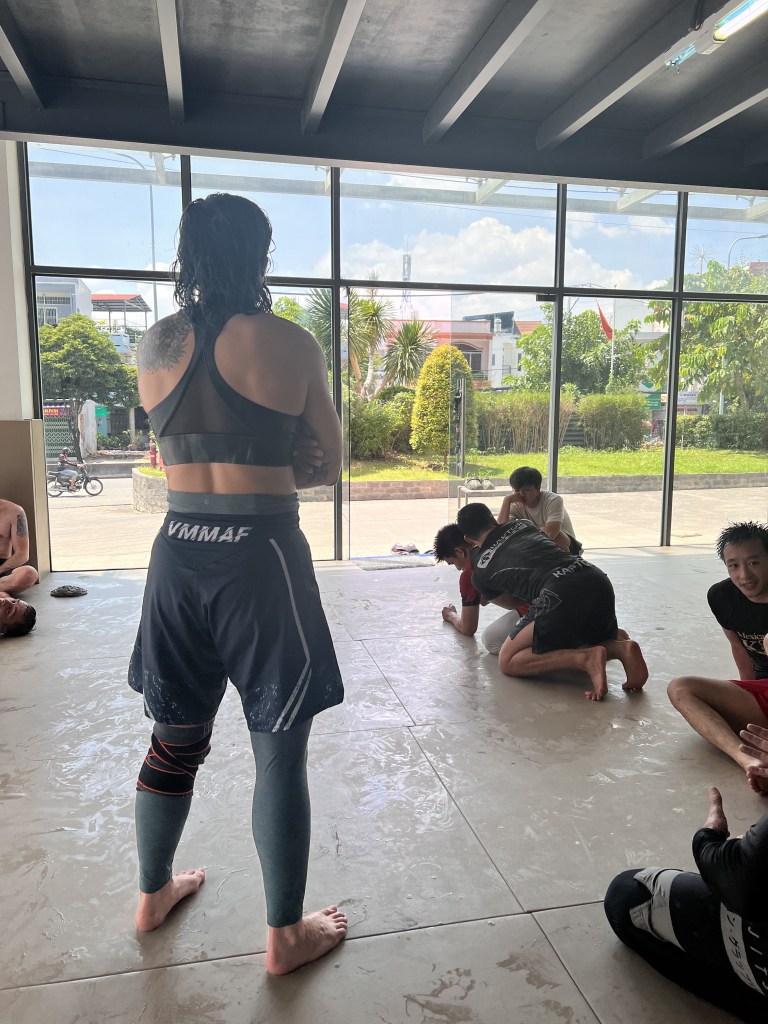
For all the Jiu-Jitsu nerds out there, the main change is that we have moved from primarily demonstration-and-drilling-based classes to an ecological approach.
We do not perform movements repeatedly in the hope that we will memorize them and eventually apply them during sparring. Instead, we play games that present us with the same problems repeatedly until we arrive at the solutions ourselves.
There are still times when we drill more complex movements to understand the details better, but the ecological style now makes up the majority of our class time.
5. What is the current MMA scene like in Vietnam? Is there a difference between the male and female divisions in terms of prestige or treatment?
This is a very loaded question, and there are many layers to it. Let me break it down.
Until women receive equal promotion and visibility, there will always be a significant difference between the men’s and women’s divisions in terms of prestige, opportunity, and treatment.
The problem is cyclical. Without prestige, promotions and audiences are less likely to give women visibility and attention. But without visibility, it becomes much more difficult for women to build prestige in the first place.
It is similar to social media: the more followers you have, the more opportunities you receive. But if you were given more opportunities, you would probably have more followers, right?
Women often lack equitable treatment from promotions and audiences because women’s divisions are seen as having less prestige. However, women’s divisions partly lack prestige because there are fewer women competing.
Fewer competitors mean fewer opportunities to fight. Fewer fights mean less experience, development, and visibility. That lack of visibility then reinforces the belief that women’s MMA is less valuable or less important.
But there are fewer women in the sport for a reason.
Women have not always been permitted to participate in combat sports. Once we were allowed to participate, we were not always welcomed. Even now, when women are technically permitted—and sometimes even celebrated—in martial arts spaces, we are still not commonly encouraged to train or compete by our families, loved ones, or society.
From childhood, women are often conditioned to be agreeable, feminine, and dependent on men, particularly for protection. This conditioning happens in both subtle and obvious ways.
Regardless of anyone’s personal opinion about a woman’s “place,” martial arts challenges many of the expectations society places on women.
The skills learned in martial arts are transferable. A woman who learns how to defend herself physically is also more likely to advocate for herself in everyday life, making her less agreeable in the way society often expects women to be.
Women who train seriously also become extremely fit and often gain muscle, which challenges conventional ideas of femininity. Women who learn how to protect themselves gain confidence, which can make some men feel as though we do not need them.
To be honest, we don’t—not in the same way we were once told that we did.
This is not the Stone Age or the 1950s. Women can receive an education, work, own property, and even have children without ever needing to be in a relationship with a man.
However, many men still want to feel needed by women. For those who are insecure in their masculinity, a woman who can protect herself can feel threatening.
So yes, women may be allowed into martial arts gyms and competitive spaces, but there are still plenty of men who do not truly want us there and feel comfortable saying so publicly.
Sean Strickland is one example, but he is far from the only one. Anyone who believes comments like his are only for publicity should look at the wider influence of “manosphere” figures who have massive platforms and promote even more extreme ideas about women’s roles in society.
Of course there are fewer women in MMA. Because there are fewer of us, we receive fewer opportunities to train, compete, develop, and be seen. As a result, women’s events are still too often overshadowed by the much larger men’s divisions.
There are many highly skilled, talented, elite female athletes in this sport. However, in certain places, there are far fewer of us.
That brings us to Vietnam, where traditional gender roles are often more socially accepted and reinforced than they are in many Western or European countries. Because of that, there are even fewer women training and competing here.
There will continue to be fewer women as long as promotions such as Lion Championship and Gods of Martial Arts approach women’s divisions in the same way they approach men’s divisions.
Women are up against much more than men are. Even when we are technically welcomed, we are still fighting all these side battles simply to train martial arts, let alone compete.
One example is the way Lion Championship expects to fill an entire bracket in the women’s bantamweight division every year. There are simply not enough women training and competing in Vietnam right now to fill a complete bracket every year.
Because of this, Lion has permanently closed the bantamweight bracket. That means women who want to fight at 60 kilograms either do not get to fight or are forced to move into a smaller weight category, potentially damaging their health in the process.
That is a serious problem.
We need to create opportunities for women, not take them away.
If there is a woman in this country willing to fight me for the belt, I would happily accept that fight. But Lion refuses to do it. For what reason? Because that is not how the men do it? Because that is not how the UFC does it?
Women are not men. Lion Championship is not the UFC. Why are we pretending that the same model works for both?
To put it simply, women are not being accommodated enough.
As long as fight organizations treat women’s divisions exactly like men’s divisions, women will continue to lack opportunities. Without opportunity, there is less visibility. Without visibility, there is less prestige. Without prestige, the cycle continues.
Lion did say that they would try to find me fights against opponents from outside Vietnam, but those fights would not be for the belt. However, this is by no means a contractual agreement, and I have yet to hear from them about any potential fights.
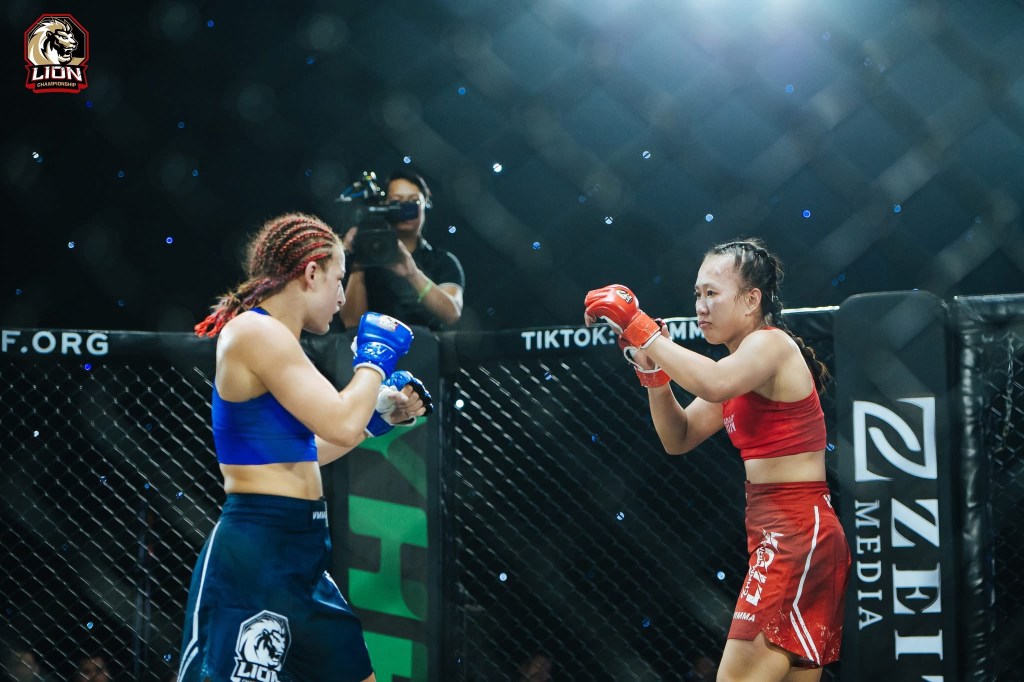
6. What are some of the unique challenges you have faced as a combat sports athlete, including Hashimoto’s disease and the disbandment of your MMA division?
Two of the biggest challenges I have faced are navigating Hashimoto’s disease and hypothyroidism, and dealing with the disbandment of my weight division in MMA promotions.
Throughout my entire career, I have mostly been advised by men. I have worked with some of the most skilled and dangerous athletes and coaches in Vietnam, but none of them are doctors, and very few have a real understanding of the differences between male and female bodies, hormones, and long-term health.
Weight cutting is a normal part of MMA. Everyone does it, and most people do not think twice about a fighter cutting five kilograms or more.
However, weight cutting does not affect male and female bodies in the same way. Women sweat less than men, which can make dehydration-based cuts much more difficult. Starvation and dehydration also create extreme cortisol spikes, which can seriously affect women’s hormones and menstrual cycles.
After my MMA debut, I lost my period for approximately six months.
Two years ago, following my title defence, I learned that I had developed Hashimoto’s disease, hypothyroidism, and low kidney function. These conditions were most likely connected to long-term cortisol stress caused by extreme dieting and repeated weight cuts.
Those diagnoses changed everything.
Hashimoto’s disease and hypothyroidism affect my weight, sleep, recovery, mood, memory, energy levels, and overall performance. I will have to take hormones for the rest of my life.
A major reason I am in this position is that I spent years forcing my body down to a weight that was never truly healthy for me.
I usually walk around between 65 and 68 kilograms, depending on how much I am training. I have always fought MMA at 60 kilograms, but I would much rather fight between 63 and 65 kilograms. That is where I feel healthy, strong, and agile.
However, there is not a major promotion in the world with an active women’s weight class above 60 kilograms. The bantamweight division is not even consistently active in most promotions. The UFC recently closed that division, and now Lion Championship has done the same.
I have received interest from the UFC, ONE, PFL, and BRAVE, but all of them wanted me to move down to 56 kilograms.
According to agents, female fighters weighing 60 kilograms are basically nonexistent. But I know that is not true.
I am not special. I am not a miracle of science. I am not some one-of-a-kind exception.
I know there are women out there who can fight at 60 kilograms and above. But for reasons that still make no sense to me, agents and promoters continue to insist that we shrink ourselves to 56 kilograms or less if we want opportunities.
Some women sacrifice their health and make the drop. Others, like me, risk falling into obscurity because we refuse to continue damaging our bodies simply to remain active.
I am the person who must live in this body when I am 50. I am not willing to destroy my long-term health for this sport.
The main challenge has been navigating women’s health in a sport where I have had very few female advisers, coaches, or role models, and where there is still not enough research or understanding surrounding female athletes’ bodies.
At the same time, I am trying to remain active in a sport where the industry keeps telling me that women like me do not exist.
I think some people genuinely believe that. Others accept it as truth because accepting it blindly is easier than questioning it. And some accept it as truth because they genuinely want to exclude women.
As you can see, women are up against so much in this sport. The societal and physical challenges alone would be enough reason for any woman to quit.
Yet we continue showing up in spite of everything.
It is nothing short of a miracle that we exist in this sport. After everything we put ourselves through to participate in these spaces, people still have the audacity to tell us that we should go back to the kitchen.
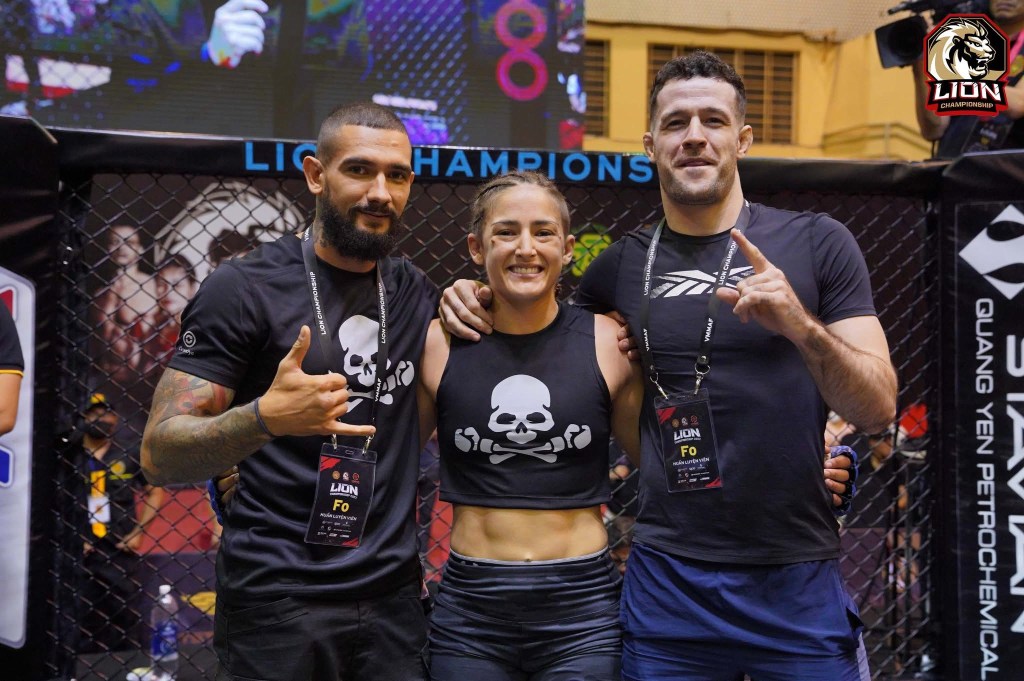
7. Tell us about Smother Nature. How did it come about?
To be honest, Smother Nature came to life out of frustration. I became tired of talking about all the built-in disadvantages women face in this sport.
I am tired of talking about this mess, and I am ready to do something about it.
I am ready to put these false narratives to rest—statements that people repeatedly present as truth, including:
- Female fights do not sell tickets.
- There is no audience for female divisions.
- There are not enough female fighters to justify having more weight classes.
These are the main false narratives that Smother Nature intends to “smother.” These narratives do not describe reality; they perpetuate a false one.
In martial arts, discrimination against women is rarely explicit. Instead, it is embedded in narratives about marketability, biology, and tradition.
These narratives justify limited access, unequal pay, and reduced visibility while presenting exclusion as practical rather than political. What is framed as “realistic” is often simply inherited bias.
Our name highlights the feminine strength inherent in every woman. Smother Nature exists to help women discover their inner strength and challenge the parts of “nature” that have been used to justify inequality, exclusion, and suppression.
Smother Nature seeks to create opportunities for women to train, compete, coach, and participate in martial arts in whatever capacity they desire.
Some of the goals in my five-year plan include:
- Building a roster of fully sponsored female athletes who compete locally and internationally.
- Hosting signature Smother Nature events that showcase athletes, coaches, and the wider community.
- Providing mentorship from experienced female fighters and coaches.
- Advocating for equitable weight classes, visibility, and opportunities for both women and men.
- Fostering safe, inclusive, and accountable gym cultures.
8. Would you say your resistance to being told “no” comes from your mother’s influence as a female firefighter?
Yes, I think so.
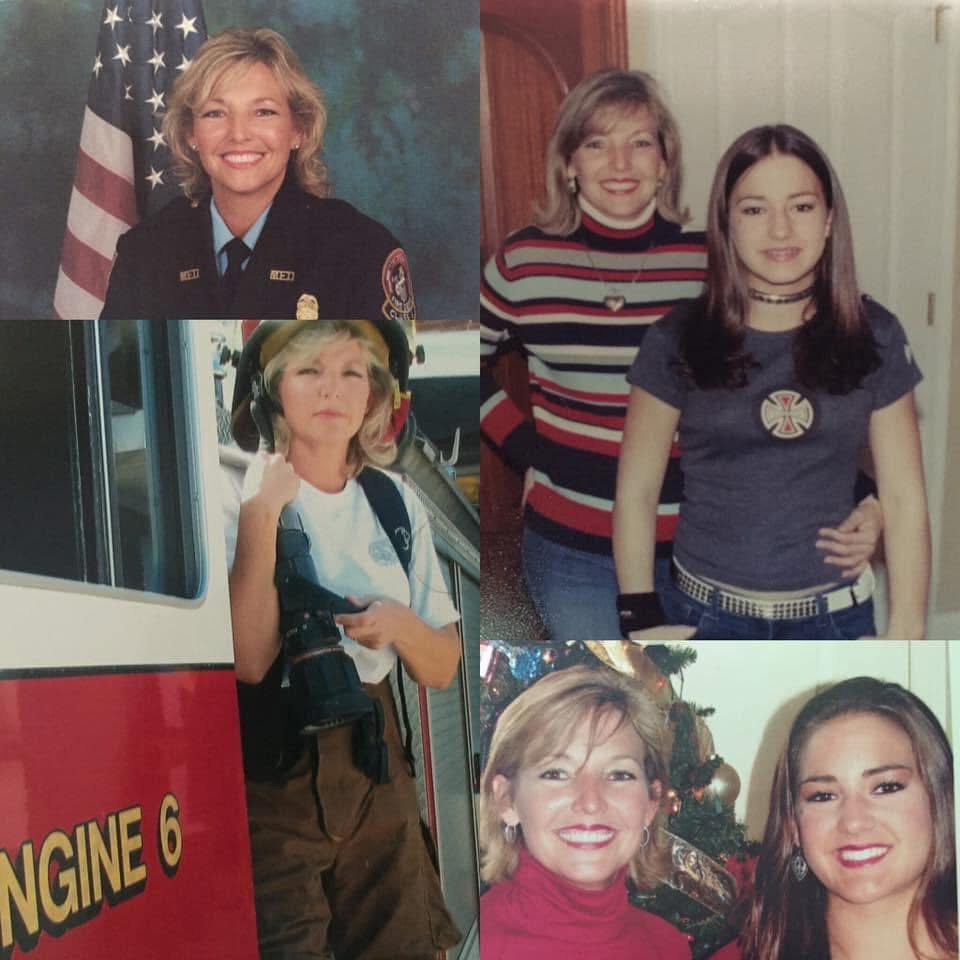
From a very young age, I watched my mother deal with discrimination day in and day out. Even when that discrimination was explicit and obvious, people often tried to convince her that she was imagining it, overreacting, or that she should simply get over it.
I learned very early that the world would often rather convince a woman that she is delusional than consider, even for a second, that perhaps the system itself needs to change.
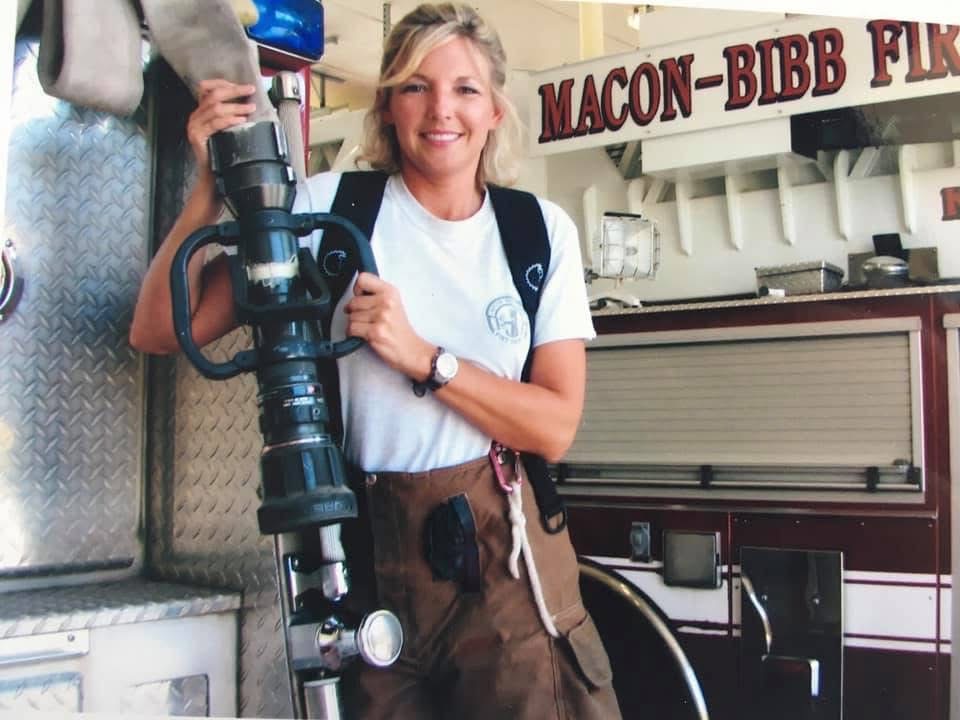
A good example is that many firehouses did not even have female restrooms, let alone locker rooms where women could comfortably shower and change after working a fire.
Women were not always permitted to work full-time in the fire department, so the facilities reflected that. However, even after women were allowed to work full-time, the environment was slow to catch up.
That happens in many areas of life. The culture shifts, but the structures remain the same.
When women point out that the system was not built with them in mind, they are treated as though they are complaining or requesting special treatment. In reality, they are asking for the basic conditions that would ultimately allow them to do their jobs better.
Because of my mother’s influence, I naturally learned to question the status quo.
I do not automatically accept that something is impossible simply because it has never been done before or because the existing system does not make space for it.
I tend to go where my soul takes me, even when that path is inconvenient, uncomfortable, or misunderstood.
It is not that things do not bother me. The things that would discourage an average person still affect me. I am simply not easily deterred once I have decided that something matters.
9. What is the Jiu-Jitsu scene in Vietnam like?
It is still small, but it is growing.
Many people are training, but only a handful of us can afford to travel outside Vietnam to compete. Major promotions such as ADCC and Grappling Industries do not come here.
I am not sure why, but I really hope Smother Nature can become part of changing that.
We have some amazing talent here. We simply need a place to showcase it.
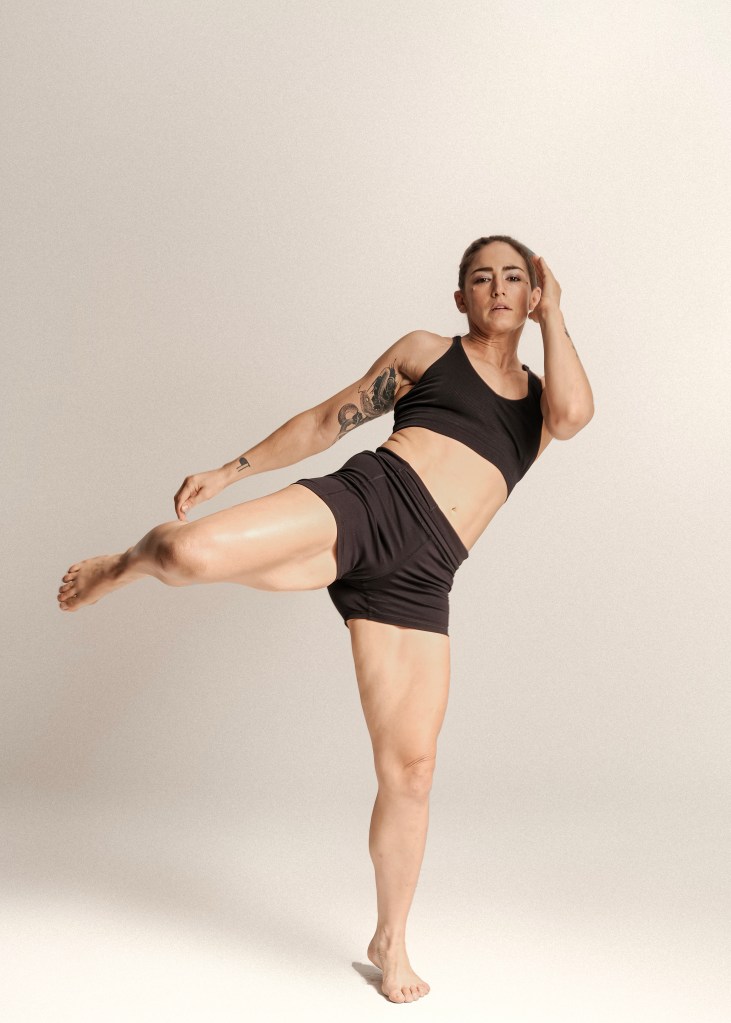
10. You have competed extensively. Do you have a preferred ruleset, and do you prefer gi or no-gi?
ADCC and Grappling Industries are my favourite rulesets.
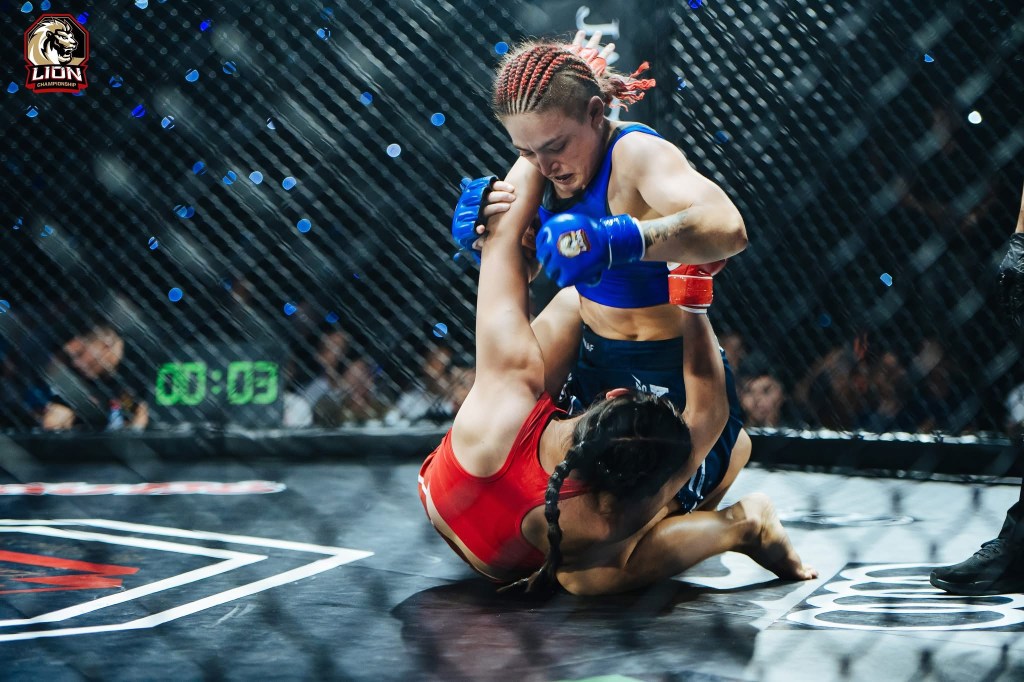
ADCC favours people like me who want to stand and brawl. I compete at the professional level in ADCC, where pulling guard during the finals will cost you a point. That gives a strategic advantage to people like me who prefer to work from a standing position.
At the ADCC professional level and in Grappling Industries, all my favourite moves are legal—toe holds, kneebars, and muffles.
These are either completely banned or only permitted for upper belts under IBJJF rules, so I enjoy the freedom that ADCC and Grappling Industries offer.
As for gi and no-gi, I have invested more time in no-gi because of MMA, so naturally, I am better at it.
However, I still genuinely love the gi and continue to train and compete in it whenever I have the opportunity.
11. What has been the most influential or significant achievement of your career so far?
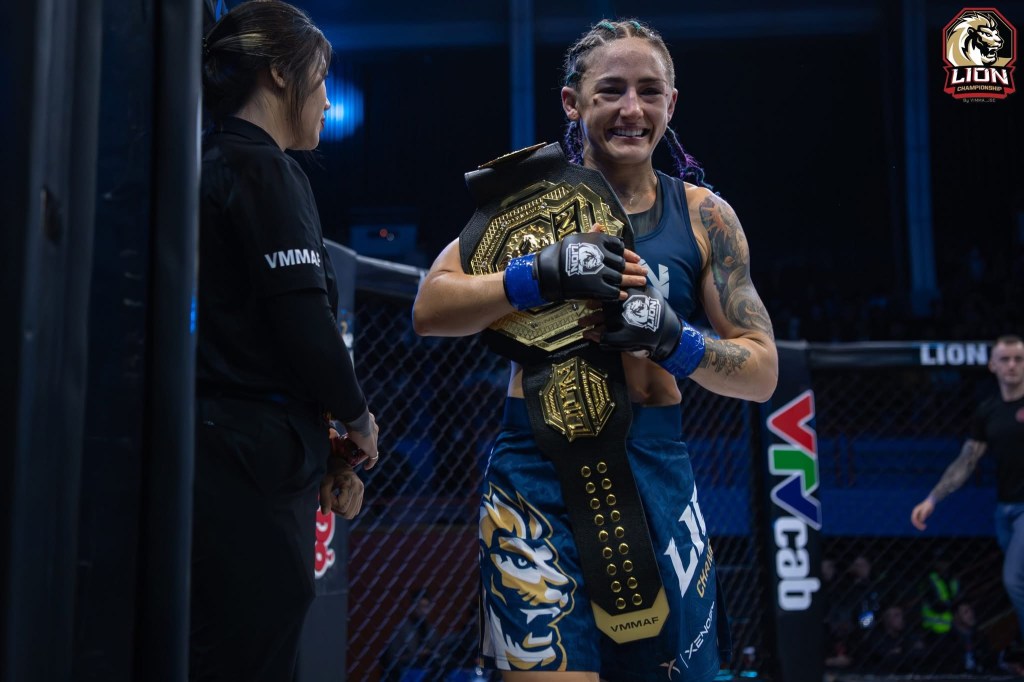
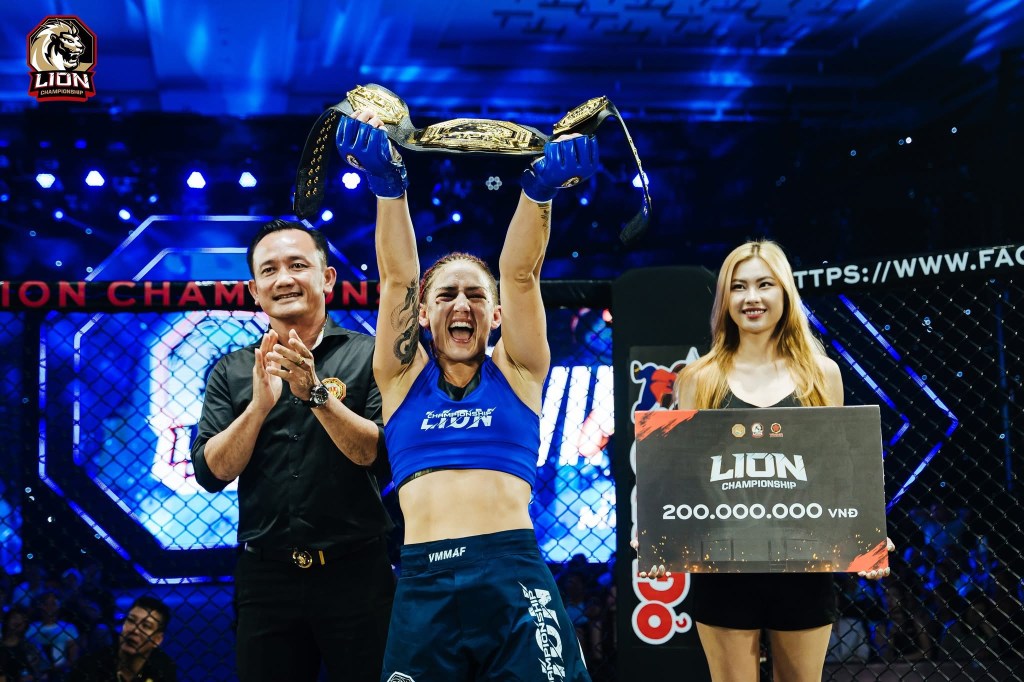
I became the first MMA champion in the history of Vietnam’s women’s bantamweight division.
I was also among the country’s first professional MMA fighters to enter the scene in 2022 during Vietnam’s first nationally sanctioned and televised MMA event.
Because of MMA, I was able to become a small part of the country’s history. That is easily the greatest honour of my life so far.
The even more incredible part is that I accomplished all of it while working a full-time teaching job.
I planned and taught classes, held conferences with parents—the whole shebang—all while preparing for Lion Championship.
I did it while maintaining a massive calorie deficit for the better part of a year. I did it while tired. I did it while starving and dehydrating myself for weigh-ins.
Proving to myself that I could accomplish ridiculously difficult things instilled a deep sense of self-efficacy in me that I do not think could have been created in any other way.
Even though I am currently upset with Lion for not valuing me and the other 60-kilogram fighters in Vietnam enough to keep our weight class active, I am still deeply appreciative of the opportunity I received.
I am simply saddened that something so meaningful now feels as though it is slowly coming to an end.
Disbanding a weight class sends a very clear message. It says, “We do not see enough value in keeping you here,” or, “You are not worth our time.”
That is difficult to accept, especially because I believe my fights were exciting and inspiring to watch, particularly for women. I was always professional and represented the organisation well.
At the very least, I know I brought a lot of heart into the cage.
Even now, instead of simply taking my fight purse and leaving quietly, I am still trying to find ways to give back to the martial arts community in Vietnam—the same community that welcomed me and opened the door to some of the greatest experiences of my life.
To me, giving back feels like the right thing to do. But somehow, Lion does not seem to recognise the value in that.
I have personally spoken to many of the organisers about my ideas, but no one seems interested in doing anything beyond passively listening and then forgetting about the conversation once it is over.
My greatest accomplishment in life feels more complicated these days. It remains an honour, but it is also a sensitive wound.
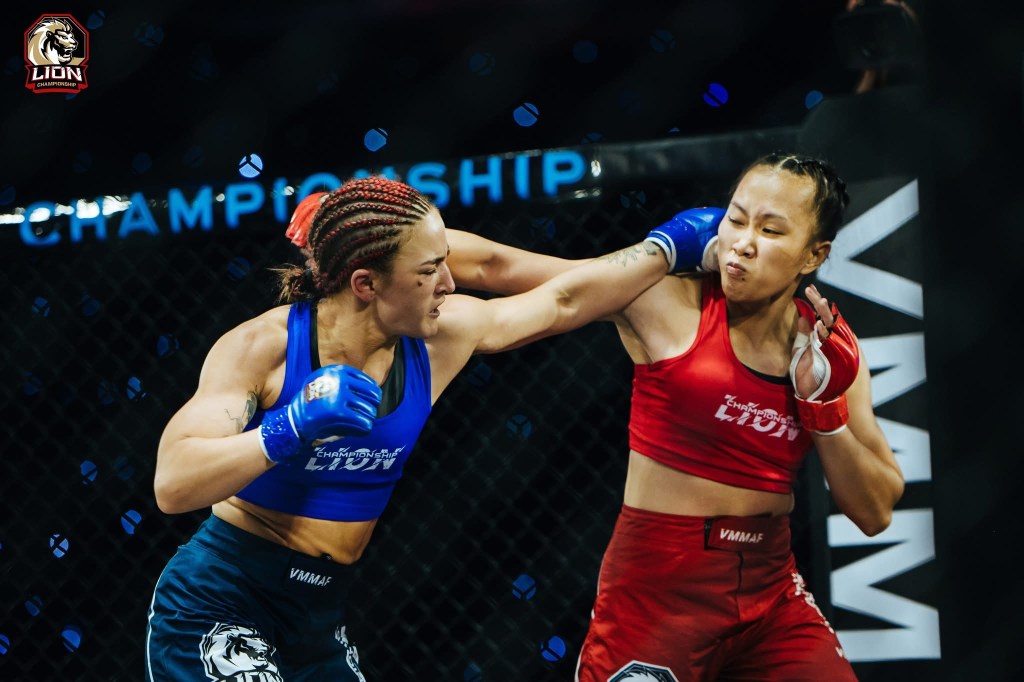
12. How can people support you as an athlete and support Smother Nature?
People can support Smother Nature by sponsoring, investing, donating, volunteering, participating in events, sharing our work, or helping us create the visibility that female athletes need and deserve.
Content creation is one area where I could really use support.
I honestly hate being on my phone. Even as a child, I was never interested in anything digital, so content creation is easily one of my least favourite parts of building Smother Nature.
I feel that I need to focus on training and community building rather than posting on Instagram. I know it is a necessary part of the process, but I have always taken pride in my ability to be present in whatever I am passionate about. I feel that being on my phone takes me out of the present moment.
I would love to hire someone to create content for the organisation, but I would need sponsorship or investment before I could fairly pay someone for that work.
One simple thing people can do is follow @smotherthenarrative on Instagram and like and share our posts as much as possible. I know it sounds simple, but it genuinely helps.
Like anyone starting something new, funding is one of the biggest challenges.
I am leaving my full-time job and health benefits behind. This means I will no longer have the same financial security or access to medical care whenever something hurts—which, as a fighter, happens often.
Funding is also the main way I will be able to support local athletes.
I have been sponsoring one athlete for approximately a year, but I was able to do that while I still had a stable, well-paying job. Moving forward, whether that athlete can continue training will depend heavily on whether I can find sponsors, investors, or community support.
Recently, I organised a comedy show and raffle that raised four million VND, which is enough to cover flights to Thailand for a competition.
That is a real example of how financial support can directly create opportunities for athletes.
Money is not everything, but in this sport, it often determines whether someone can compete, travel, train consistently, or access the resources they need to continue developing.
Outside of financial support and content creation, I will also need people to show up.
When the time comes, Smother Nature will need coaches, athletes, volunteers, and community members to participate in events—particularly female coaches and athletes.
Sometimes the most powerful thing a woman can do for the sport is simply continue showing up, even when there are only a few of us.
The more visible we are, the more traction women’s sports will gain.
13. Which country do you think has the fastest-growing grappling scene in Asia right now?
It is difficult for me to say because I have had very little experience training and competing outside Southeast Asia.
I have competed in Vietnam, Thailand, Malaysia, and Australia. The women in Thailand have been the toughest opponents I have faced so far.
There is definitely a lot of talent in Thailand that we should not underestimate.
14. Vietnam appears to have a growing number of martial arts gyms. Why do you think this is?
People around the world are slowly realising how well you can live in Vietnam for a relatively low cost.
Yes, we are fighters, and we can rough it. But it is great when you can suffer less and eat well without draining your savings account.
It is very easy to build a good life here. Anyone searching for a little peace can definitely find it—provided they can ignore the noise of the city.
15. What are your future plans?
Right now, I am focused on growing the community in every way I can, particularly for women.
I hope to become a major contributor to the growth of martial arts in Vietnam.
If that means bringing ADCC here to organise a tournament, then great. If it means paying the membership fees for a local female athlete, that is also great.
I am interested in anything I can do that might contribute to the growth of the sport.
Because of the openness of Vietnamese people and their willingness to allow foreigners to participate in national events such as Lion Championship, I have been able to experience some amazing things and build an incredible life for myself.
Now it is time to give back.
I hope the openness that was extended to Chelsey the fighter and Chelsey the teacher will also be extended to Chelsey the organiser and philanthropist.
16. Lastly, who would you like to thank?
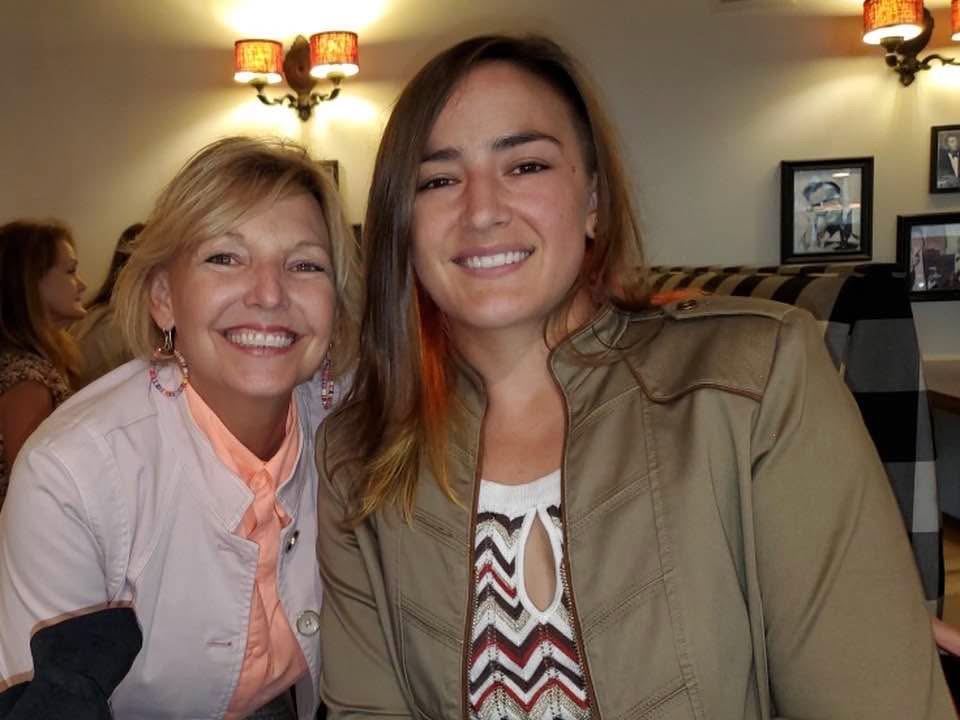
I have to thank Mama.
The example she set is something I never realised would become such a cornerstone of my identity and my future work.
I also have to thank my coaches at Arkain, Pato and Hiep.
Throughout the process of developing Smother Nature, they have been a sounding board for all my ideas and have offered their support in every way possible. I could not ask for a more supportive team.
Even though I know they often wish I would talk less, they always hear me out and return with meaningful and helpful responses.
In this sport, women do not always have the luxury of having many other women in their corner.
I have a few amazing women I train with, but none who are currently my coaches or mentors. I am extremely grateful to have a handful of stand-up men who genuinely support me, so I really love Hiep and Pato.
They have also helped me become much better at Jiu-Jitsu, so I have to love them for that too.
17. What final message would you like to leave with people?
As I mentioned earlier, many of the firehouses where my mother worked did not have female restrooms or locker rooms.
Instead, they had a reversible sign on the door. When my mother needed to shower or change, she would flip the sign to the “Female” side and lock the door behind her.
Was it functional? Yes.
I am sure plenty of people would say, “There was a time when women were not even allowed in the department, so things have definitely improved.”
They would be right. Things had improved.
But what people often miss is that a women’s locker room was never simply about having a place to shower. It was about permanence.
It was a physical space that said, without question, “You belong here.”
That leads me to the question I have for Lion Championship, the UFC, and every fight organisation, gym, and martial arts community:
“What are you doing to create a permanent, undeniable space for women?”
Women do not need symbolic access. We need structural support.
We need opportunities, divisions, coaching, promotion, research, and policies that recognise that women face different barriers than men.
Different does not mean lesser. Different means that we may need different accommodations to reach the same level of opportunity.
In the United States, affirmative action was created because access alone was not enough. After generations of exclusion and discrimination, simply opening the door did not magically level the playing field.
There had to be intentional action to create opportunities for people who had historically been denied them.
Martial arts needs its own version of that.
Not charity. Not special treatment.
A strategic plan.
A real commitment to meeting women where we are so that girls and women around the world can see a future for themselves in this sport.
Because letting women in is not the same as building a place for us.
So my final question is this:
“Are you creating a space where women truly belong, or are you simply putting a reversible sign on the door and calling it equal?“
 Grapple Asia