
Fatherhood, Coaching, and the Responsibility of Protecting Young Athletes
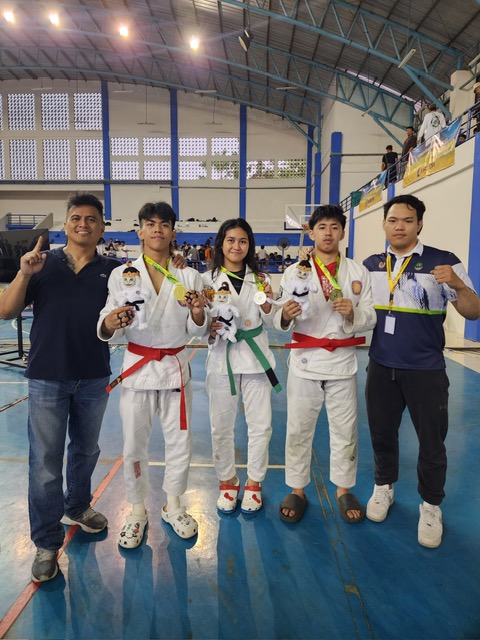
Coaching is often understood through performance: how to prepare athletes, how to build champions, how to correct mistakes, and how to bring out results. But fatherhood can change that perspective completely.
For a coach who is also a parent, teaching becomes more than giving instructions. It becomes a balance between care and pressure, expectation and acceptance, discipline and love. The mat becomes a place where lessons about character, honesty, safety, and responsibility matter just as much as medals.
In this Q&A, we explore how fatherhood reshapes coaching, what children can teach that mentors cannot, and why safeguarding young athletes in Brazilian Jiu-Jitsu must be treated with extreme seriousness.
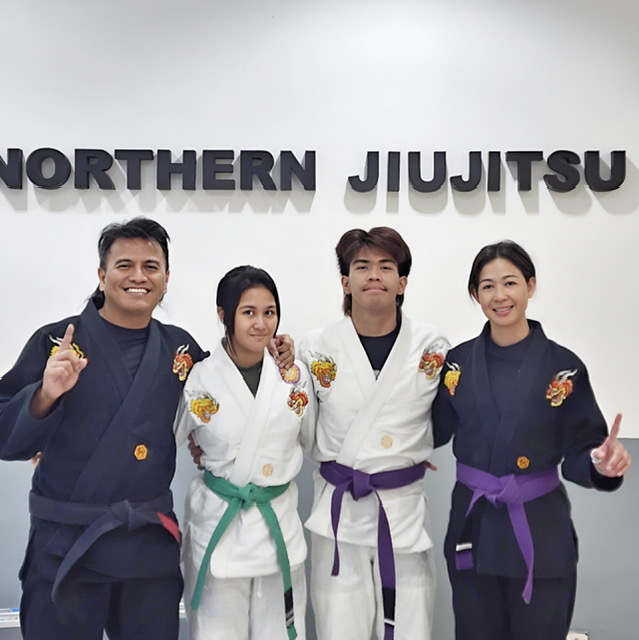
1. When did fatherhood start changing how you see coaching?
Everything was shifting when you put your children student into a competition, as we all know, its the purest form of self evaluation, when you enter the competition mat, only you, your training and your opponent and his training, none can help you to get the result you wanted besides yourself.
2. Before being a father, what did you think good coaching was?
About giving tool, and as a source for any of the student to learn BJJ and to achieve the result as they expected from their training.
3. What’s something your kids taught you that no mentor ever did?
Unconditional love, whereas as a mentor the relationship exist for performance, so does the goal, where the kids taught me, that beyond that theres more. Be present, instead always fixing things, you can just accept it.
4. Do you catch yourself coaching your kids… or parenting your students?
I tried to be combination in between, so its like teaching with care and give sense of security, no judgement given parenting side, and always pushing them to be always better then yesterday, perfecting their everything coaching side.
5. Has becoming a father made you softer, sharper, or both?
As always, im juggling to be good at both side, but in reality I tend to expect more from the kids compared to my students.
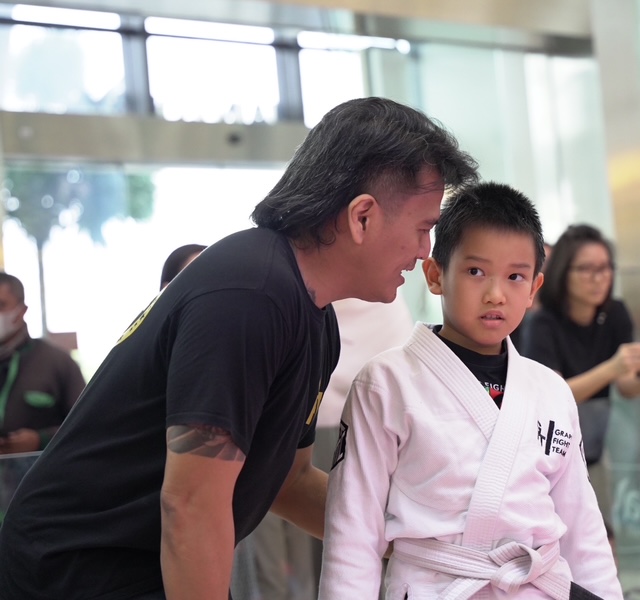
6. How do you manage expectations differently with your kids compared to athletes?
Managing expectation with my kids is way harder, you cant just put target on them, you should be able to ensure them that their “family” position has nothing to do with their performance. Not with athlete.
7. What mistakes do you see coaches make that feel exactly like bad parenting?
When the treatment is changing according to their performance, that the most common thing we as a parent coach getting caught.
8. How do you stop yourself from turning love or care into pressure?
Its always a process, so I have to keep reminding myself about these things, we should always be aware that high expectation is completely different with high pressure. And we should realise and always remember, this is their journey, this is their time, they are not our project to correct our past. We are here only to provide the track, they will be ones doing the race.
9. Is it harder to watch your child struggle… or your athlete lose?
Always and for sure harder to see the child struggle, both will cause pain, but the pain watch the child struggle is whole different level.
10. What values matter more to you than medals — both at home and in the gym?
Their value as human, their honesty, whenever they are facing obstacles, their honesty to admit they did something wrong.
Medals are temporary, the way you carry yourself as a human will take you far.
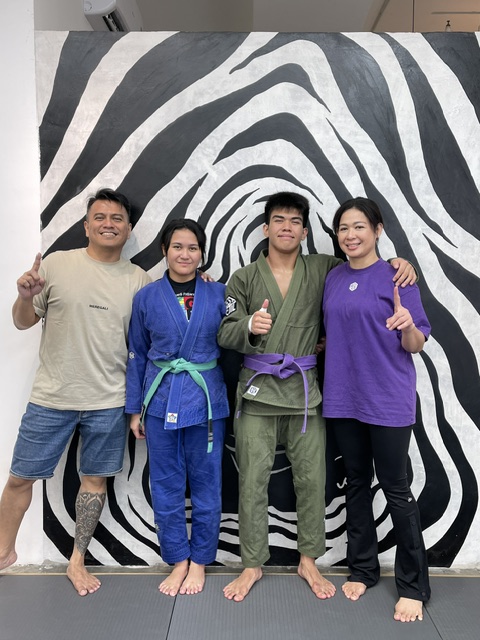
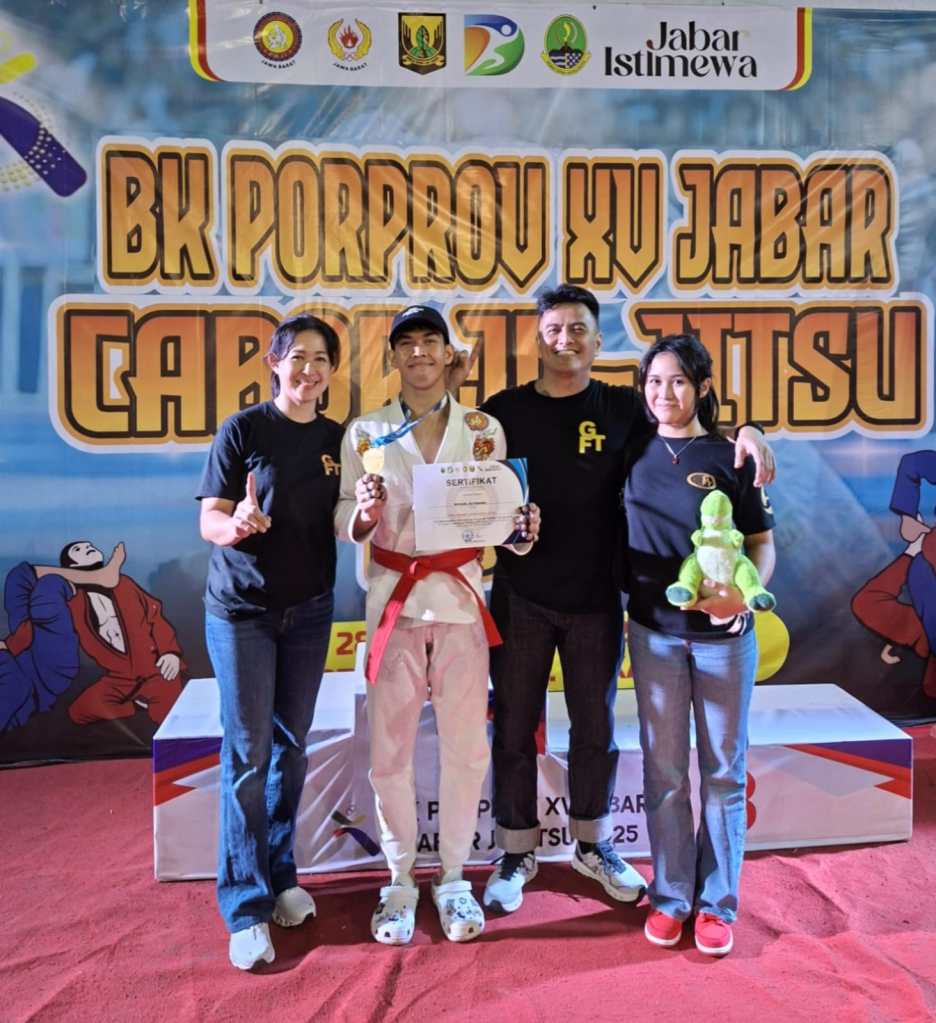
11. Years from now, what do you hope your kids say about you?
I want them to say confidently that they are loved by me, that im their headquarter, that they feel understood, and at the same time they able to see my flaw.
12. What do you hope your athletes would say?
That im showing the potential that they are not even aware they have.
13. If both groups learned ONE lesson from you, what would you want it to be?
Always be honest to yourself, do things according to your expectation.
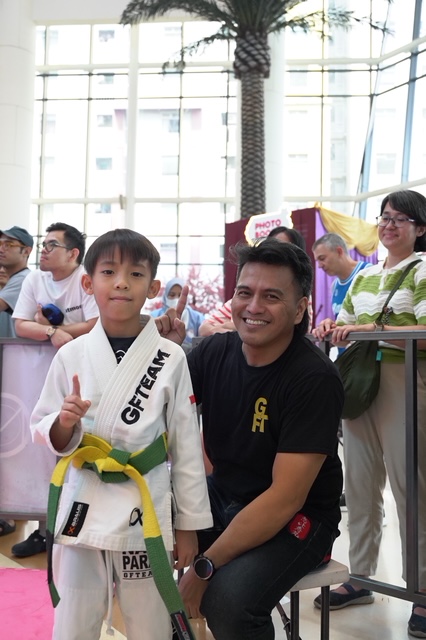
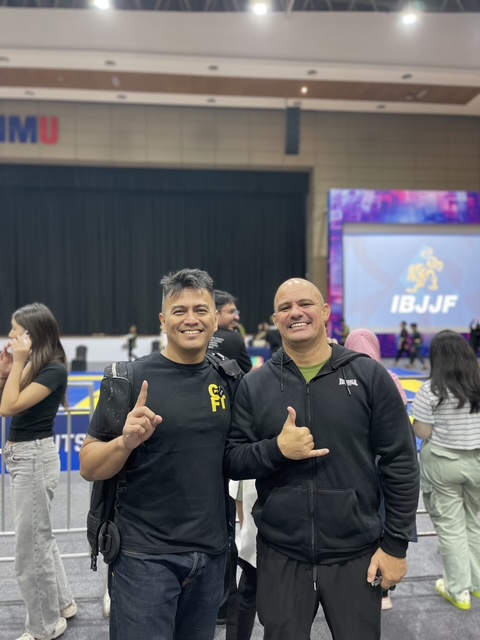
14. Finally, if a young coach is listening who wants a family one day — what do they need to understand now?
Teaching athletes is very difficult, but teaching your own kids will be way more complex and difficult. But the reward will also be way satisfactory, its worth every sweat and hours of working :)
On Safeguarding Children in BJJ
Recent conversations around safety in Brazilian Jiu-Jitsu have reminded the community that child protection cannot be treated lightly. BJJ is a sport built on close contact, trust, and a strong coach-student hierarchy. Because of that, gyms and parents both carry a serious responsibility to create safe environments for young athletes.
15. With what has come to light at BJJ College, what needs to change in order to safeguard children better?
BJJ involves an extreme physical contact, extreme high degree of trust, and for most a traditional professor-student hierarchy, then make it susceptible to power exploitation.
Issues regarding the safety of the kids in BJJ gyms should be treated as zero tolerance policy on every gym, any allegation should be treated as “guilty until proven otherwise.”
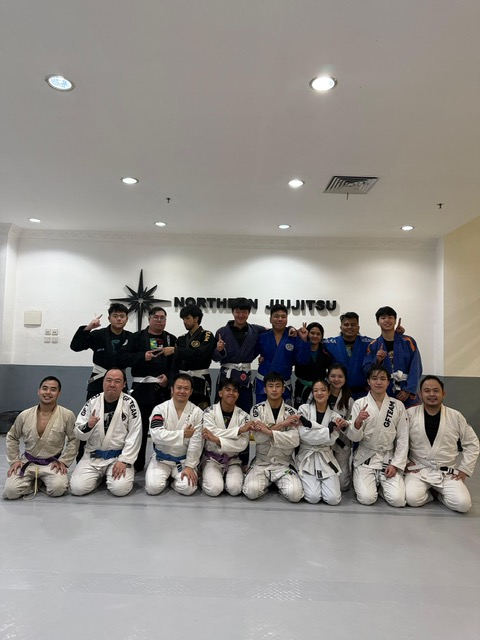
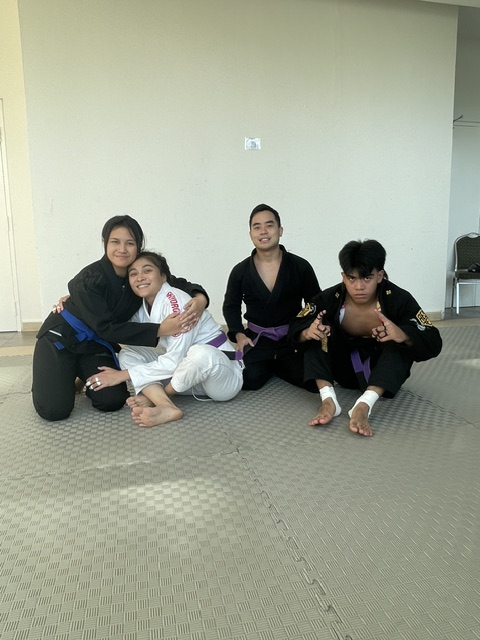
Being a father of a son and daughter while at the same time being a coach get me into two point of view in which interject in some part.
As a coach:
Training Situation
- The training space should be visible to parents and all guardian at all time, not in any moment any kids could be left alone by any coaches without their parents of guardian present.
- Any complaints or objection should be handled very serious, ie any reluctant to spar or train among the kids with any coaches or assistant, usually its the first sign for something wrong is happening.
Safe Protocols
- All the coach or assistant coach teaches in the gym should be VETTED rigorously, social media is the easiest way to do it, and for gym switcher, this is the one the background check should aim heavily. As in my gym I will never let anyone teaching except i knew him really well and been with me for quite a long time.
- Communicate often about reporting line, and the role of coaches and also parents.
- No unsupervised “open mat” policy.
- Any sign of recognised sexual misconduct in the gym area needs to be solve fast.
As a father:
Everyone should browse a lot, check all background of anyone involved with your kids, spend lots of time researching. Browse any coach and assistant in the gym. BJJ belt, achievement, experience, skill, gather as much data as possible.
Ie, its ridiculous to let a person with 2-3 years experience to teach your kids while there are many more experiences coaches is accesible.
Last is trust your feeling… after you got all the previous requirement fulfilled, has a talk with the professor, and trust any 1st impression you have.
This kind of situation needs extrem precaution from both side gym side and parents.
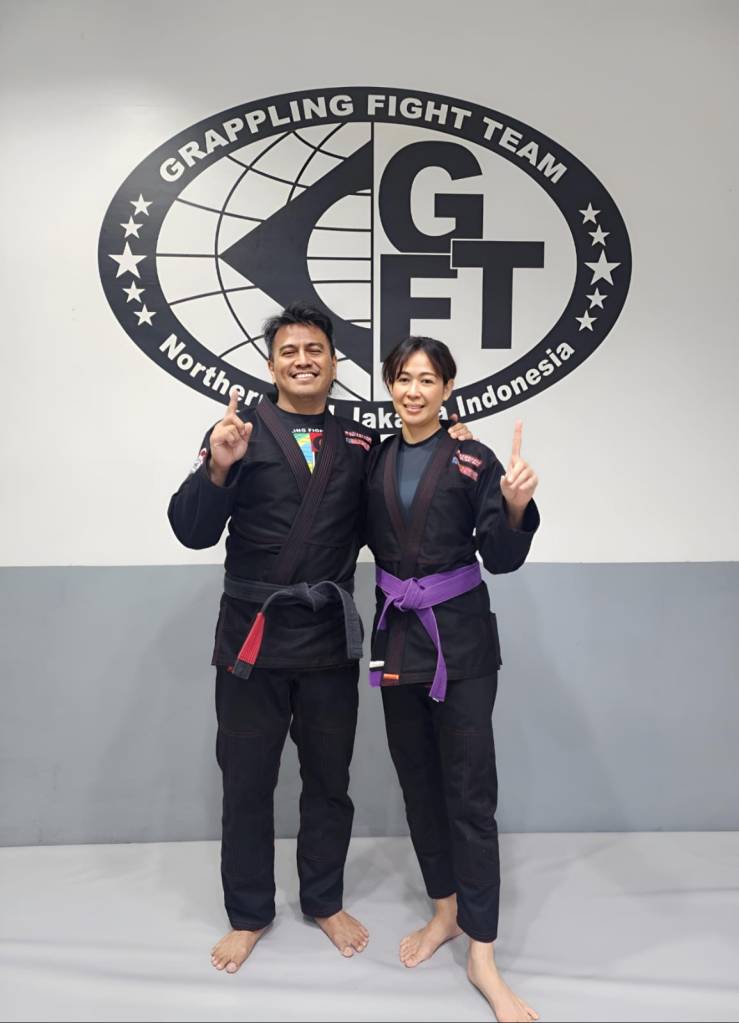
 Grapple Asia