MONSTR Fight Pit: Building Bali’s Next Combat Sports Home
Inside Bali’s growing fight scene with MONSTR Fight Pit
Bali has long been known for its beaches, nightlife, surfing, wellness culture, and laid-back lifestyle. But in recent years, another scene has been quietly rising on the island: combat sports.
From professional fighters and black belts to traveling athletes and complete beginners, Bali is becoming more than just a holiday destination. It is becoming a serious training hub where martial artists from around the world come to sharpen their skills, recover, and live the fighter’s lifestyle in a different way.
One of the gyms contributing to that growth is MONSTR Fight Pit, a combat sports gym based in Bali, Indonesia. Built around serious training, community, and the lifestyle that makes Bali unique, MONSTR is positioning itself as part of the island’s next chapter in martial arts.
We spoke with the team behind MONSTR Fight Pit about why Bali is becoming a global fight destination, what makes the island different from other combat sports hubs, and what fighters should understand before coming here to train.
Origin & Personal Story
Every gym has a story behind it. For MONSTR Fight Pit, the story begins with martial arts, family influence, and a decision to build something meaningful in Bali. More than just opening a training space, the goal was to create a home for people who want to train seriously while feeling connected to a larger community.
Can you kindly introduce your gym, location and what you offer?
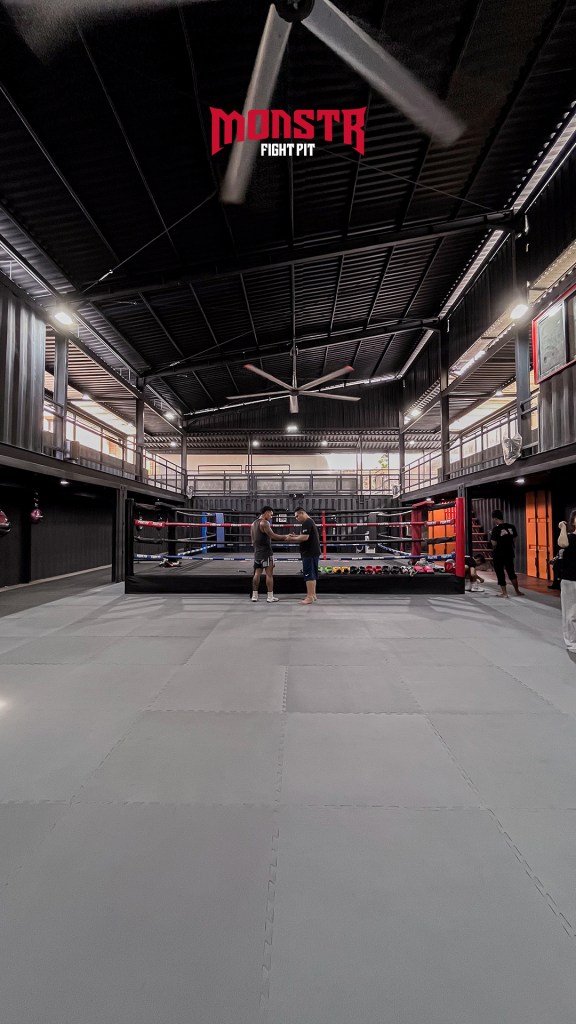
MONSTR Fight Pit is a combat sports gym based in Bali, Indonesia. Our goal is to create a place where people can train seriously, develop real martial arts skills, and feel like they are part of a family.
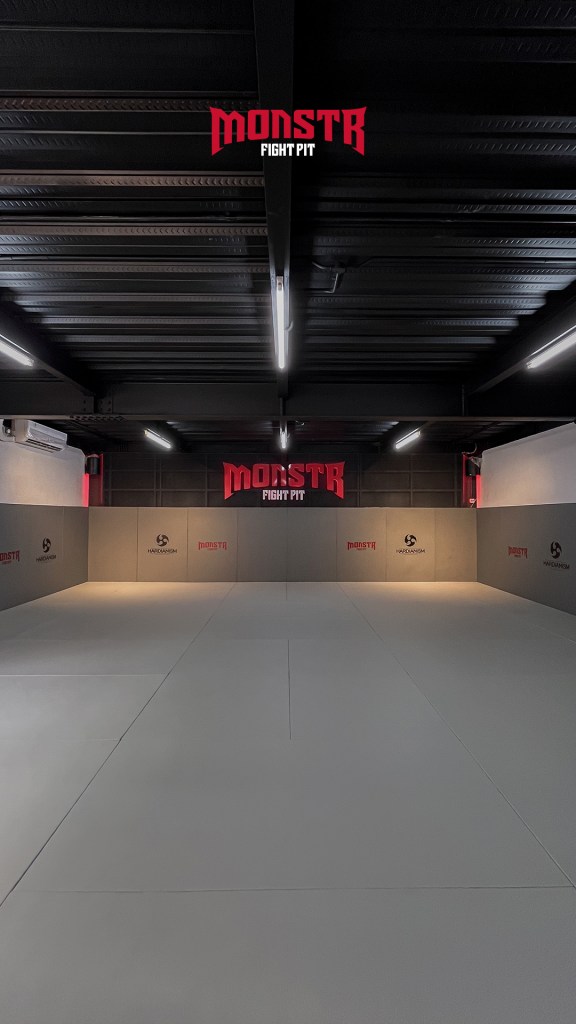
We offer world-class training in both striking and grappling, and we welcome everyone—from complete beginners to experienced fighters.
At the end of the day, MONSTR is not just about training. It’s about building a strong community around martial arts while enjoying the Bali lifestyle.
What brought you to build a gym in Bali specifically?
I first came to Bali for a holiday. When the opportunity came up to open a fight gym here, I didn’t hesitate.
Martial arts has always been part of my life. As a kid I grew up watching Bruce Lee movies with my dad, and I started training when I was about 12 years old—jiu-jitsu, boxing, and other martial arts. Life took me in different directions for a while, but martial arts was always something that stayed with me.
If I was going to build a fight gym in Indonesia, Bali felt like the perfect place. The island has avery diverse culture, a strong fitness industry, and a large talent pool.
Which of the martial arts do you personally like the most?
Jiu-jitsu is the one I enjoy the most right now. It’s something I can train almost every day while still having the energy to run the gym.
But I also make sure to train striking once or twice a week. For me, grappling and striking complement each other, and both are essential parts of martial arts.
The Bali Fight Scene
Bali’s combat sports scene has changed quickly. What was once mainly known as a travel and wellness destination is now attracting athletes who are serious about training. Fighters are not just passing through Bali anymore; many are coming specifically to improve, compete, and connect with a growing martial arts community.
How would you describe the combat sports scene in Bali right now?
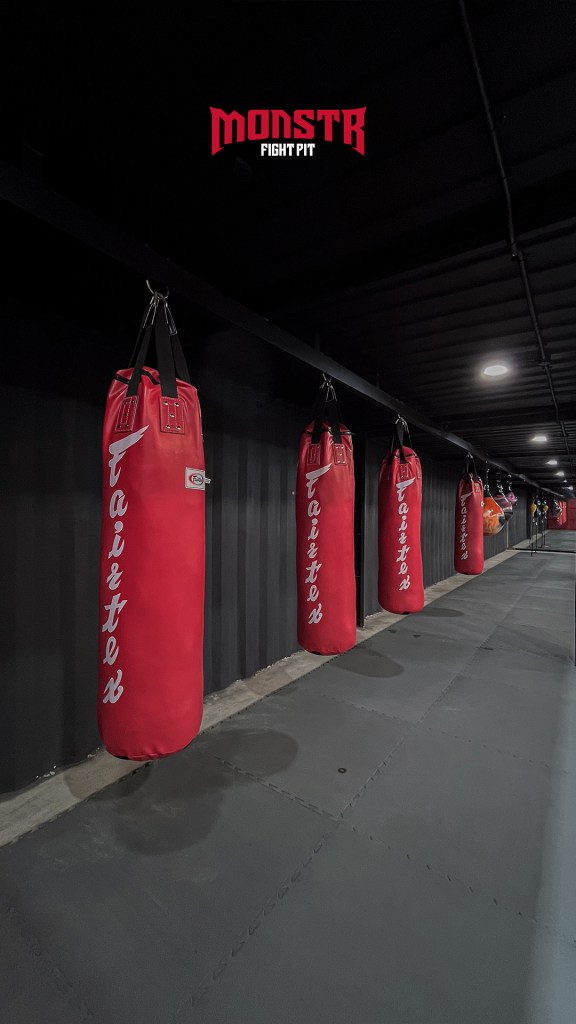
The scene has been growing very quickly. More tourists are coming here specifically to train, andmany local athletes have moved to Bali because the level of training is higher. It’s becoming one of the most active combat sports environments in the region.
Why do you think fighters from all over the world are coming here to train?
There are a few reasons. The cost of living is still relatively affordable compared to many Western countries. At the same time, Bali has everything fighters need—healthy food, recovery facilities, and a strong fitness culture. On top of that, the level of training partners keeps improving.
What makes Bali different from other fight hubs like Thailand or the US?
Thailand is famous for Muay Thai, and the US has some of the biggest MMA gyms in the world.Bali is unique because it’s very international. Fighters from many different countries and disciplines train together here. You get a mix of striking, grappling, and MMA in one environment, while still having a much more relaxed lifestyle than most fight cities.
What gyms or coaches have been most influential in developing the local scene?
Pioneers like Bali MMA played a huge role in building the foundation of the combat sports scene here.
Many of the newer gyms are also doing great work. At MONSTR, we don’t see other gyms as competitors. We see them as part of the same ecosystem. The goal is to grow the scene together.
Training & Lifestyle
Training in Bali is not only about hard rounds on the mat or intense striking sessions. The environment itself plays a role. The heat, humidity, food culture, recovery facilities, and island rhythm all shape the way fighters train and live.
At MONSTR, the idea is not only to push athletes physically, but also to help them build a lifestyle that supports longevity in martial arts.
What does a typical training day in Bali look like at MONSTR?
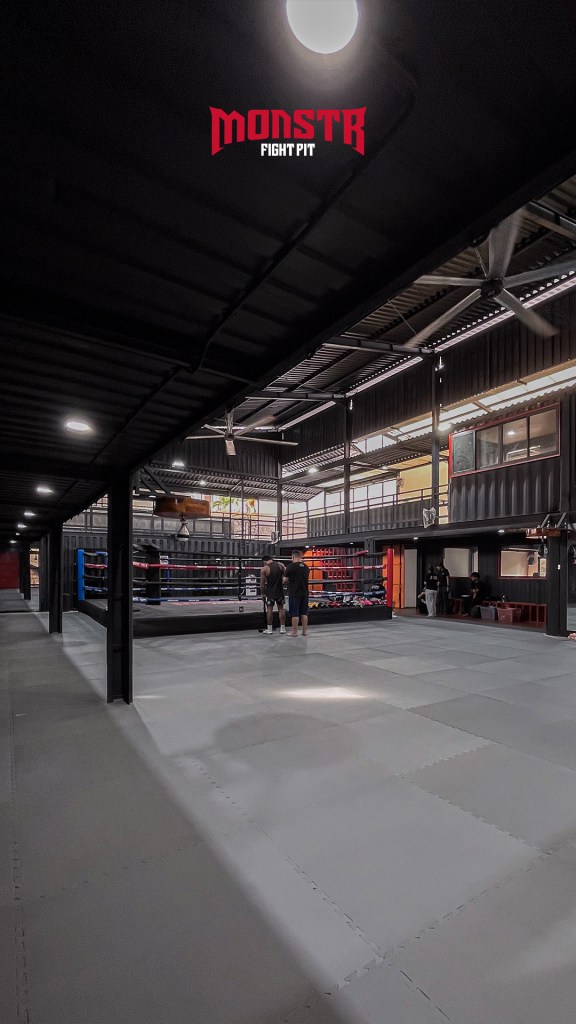
We run both striking and grappling classes in the morning and in the evening. During the afternoons the gym is usually busy with personal training sessions and open gymtraining. Many athletes train twice a day, but we always emphasize balance and recovery.
How does the environment here — climate, culture, lifestyle — affect the training?
The heat and humidity definitely make training more intense. In a way, it helps improve conditioning faster.
But Bali also offers something very valuable for fighters—balance. You have access to good nutrition, recovery facilities, and a lifestyle that helps people recharge outside the gym.
Is it easier or harder to stay disciplined in a place like Bali?
For me personally, it’s easier. Everything you need—training, nutrition, recovery—is very accessible.But Bali also has plenty of distractions. In the end, it comes down to personal discipline. The island can support your goals, but it’s still up to you to stay focused.
How important is recovery, surfing, yoga, or other lifestyle elements here for the culture you want to cultivate at your gym?
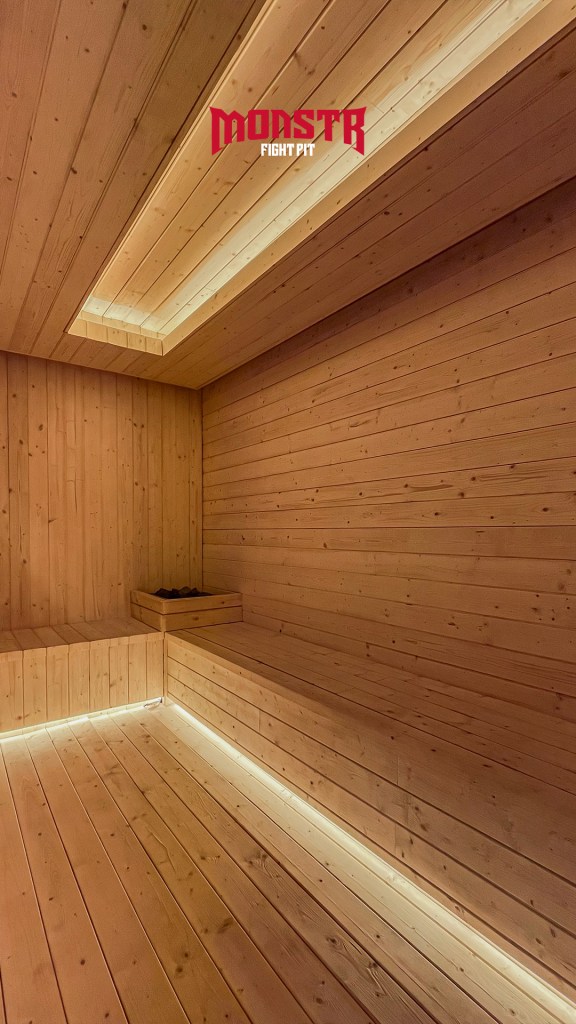
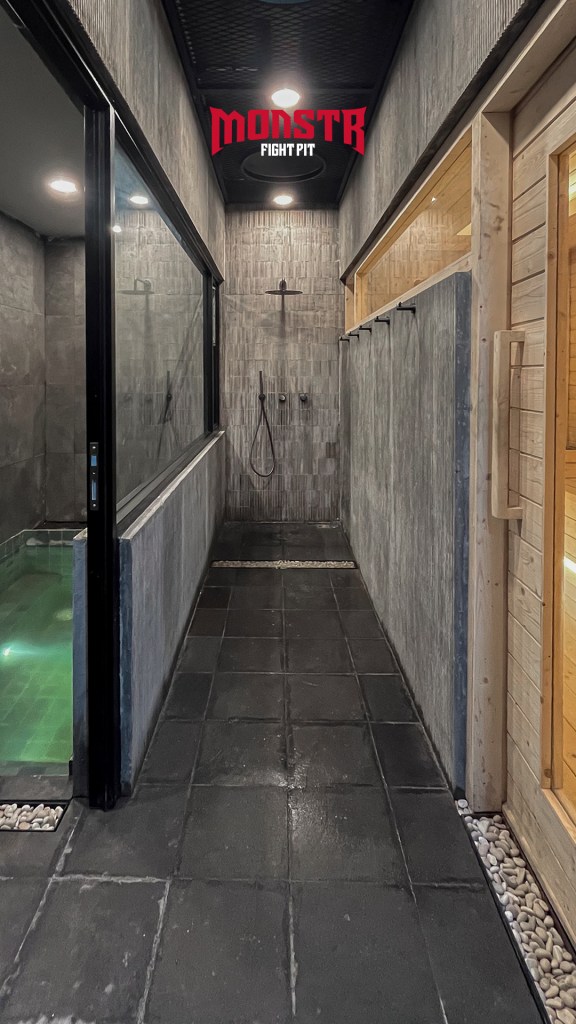
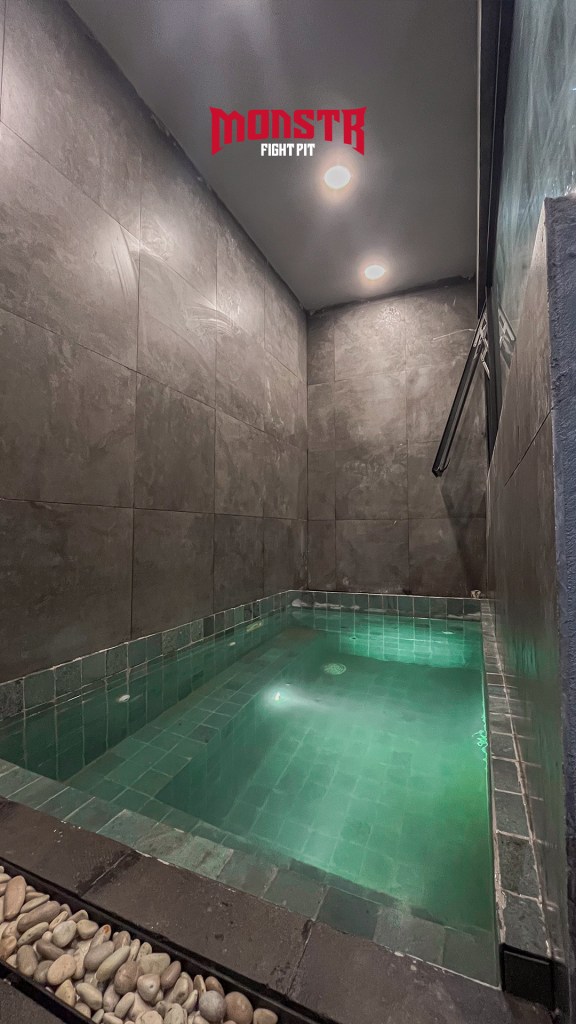
They’re extremely important. As you get older, you realize recovery is just as important as training. That’s why we’ve included recovery facilities like a sauna and ice bath at the gym. Longevity in martial arts depends on how well you recover.
Technique & Evolution
As Bali attracts more athletes, the technical level continues to rise. The island is no longer only a place where hobbyists come to stay active while travelling. It is becoming a place where serious fighters, competitors, coaches, and black belts share the same rooms and raise the standard together.
For MONSTR, this evolution means building programs that can serve both beginners and high- level athletes.
How has the level of fighters training here changed in the last few years?
The level has increased a lot. It’s now very common to see professional fighters and black belts training in the same room as hobbyists. That type of environment raises the level for everyone.
What trends do you see shaping combat sports in the region?
One thing I notice about Bali is that the scene is very open-minded. Gyms collaborate and support each other’s events. That mindset helps everyone grow faster.
What was the reason for hiring Coach Randolf for grappling?
Randolf is arguably one of the best grapplers in the country. I really respect both his competitive achievements and his teaching approach.
He has won major international competitions like ADCC, and his team has dominated the national grappling scene.Sometimes people assume MMA gyms focus mainly on striking because it’s more commercial.
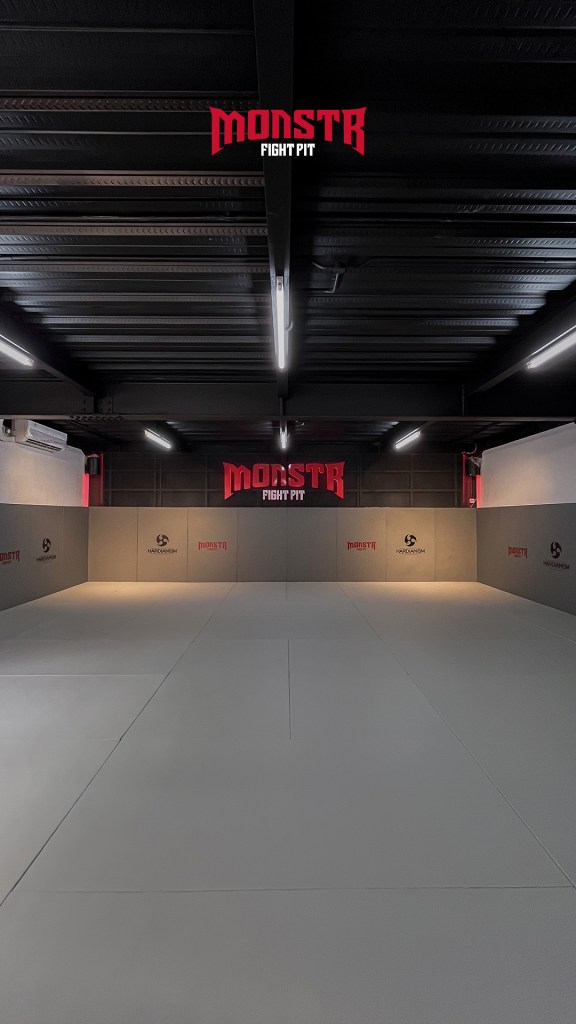
At MONSTR, we want both grappling and striking to be equally strong. We are focusing on No- Gi Jiu-jitsu that fits very well with Randolf’s expertise. That makes us the first and only No-Gionly Jiu-jitsu program in Indonesia
Business & Opportunities
Behind every strong fight scene is an ecosystem. Fighters need places to train, coaches need platforms to teach, events need athletes, and entrepreneurs need a community that is ready to grow.
Bali’s combat sports scene is still developing, but that growth is creating opportunities for many people involved in martial arts.
Is Bali becoming a global destination for fight camps?
Yes, I believe it is. Bali offers a combination of serious training and lifestyle that is hard to find elsewhere.
What opportunities exist here for fighters, coaches, or entrepreneurs?
There are many fight events here—from local fight nights to televised promotions.
That creates opportunities for fighters to compete and build their careers, and naturally that also benefits coaches, gyms, and entrepreneurs.
What challenges come with building a combat sports business in Bali?
Like any business, operations and management are always challenging.
Another factor is that you work with people from many different cultures and backgrounds. But honestly, that diversity is also what makes the Bali fight scene special.
Do you think the scene here is sustainable long term?
Yes, because Bali is evolving. It used to be known mainly for nightlife, but today it’s also becoming a global destination for health, fitness, and wellness.
Philosophy & Mindset
Combat sports are often judged by wins, losses, belts, and trophies. But anyone who has spent enough time on the mat or inside the ring knows that fighting teaches lessons far beyond competition.For MONSTR, success is not only measured by champions. It is also measured by how people grow, how they carry themselves, and how they feel when they walk out of the gym.
What does fighting teach that other sports don’t?
Combat sports teach resilience, discipline, and humility.
In sports like jiu-jitsu especially, your ego gets tested constantly. You might have to tap out to someone much smaller than you. Experiences like that teach humility very quickly.
How would you define success in combat sports today as a gym?
Success isn’t only about producing champions or collecting trophies.
If people leave the gym happier, stronger, and better than when they arrived—and if they feel like they found a second family here—then I consider that success.
The Future
Bali’s fight scene is still young compared to places like Thailand or the United States, but its growth is hard to ignore. With more international athletes, stronger local talent, and gyms continuing to raise their standards, the island could become one of the most important combat sports destinations in Asia.
For MONSTR, the mission is simple: keep building the community, keep raising the level, and keep creating a place where fighters can grow.
Where do you see the Bali fight scene in 5–10 years?
I believe it will continue to grow rapidly. I wouldn’t be surprised if we start seeing UFC fighters coming out of Bali in the near future.
What advice would you give fighters thinking about coming here to train?
Know your purpose. Bali offers everything you need to grow as a fighter, but it also offers plenty of distractions. Your progress depends on the choices you make.
What’s next for MONSTR?
We want to continue building the community and raising the standard of training.
Closing
For anyone arriving in Bali with the dream of pursuing combat sports, the island can offer almost everything: training, coaches, recovery, food, community, lifestyle, and opportunity. But like martial arts itself, Bali will only give back what you are willing to put in.
If someone came out of departures at Bali airport tomorrow to pursue combat sports, what’s the first thing they should understand about this place?
Bali gives you every opportunity. But at the end of the day, you are the captain of your own boat. Your discipline and decisions will determine how far you go.

