Interview with JC Ngeoh |Carpe Diem BJJ Singapore
In Southeast Asia’s rapidly growing Brazilian Jiu-Jitsu scene, Neo stands out not only as a competitor and coach but also as a builder of platforms that help the sport expand. A black belt coaching at Carpe Diem BJJ Singapore, Neo is also deeply involved in organizing major grappling events across the region, including ADCC Malaysia, ASJJF, and Grappling Industries. With more than a decade of experience that began in the early days of regional MMA, his journey reflects the grit of a fighter who worked his way through competition, coaching, and community building. In this interview, Neo shares his story, insights on the evolving grappling scene in Southeast Asia, and his philosophy on coaching, culture, and growth in Jiu-Jitsu.
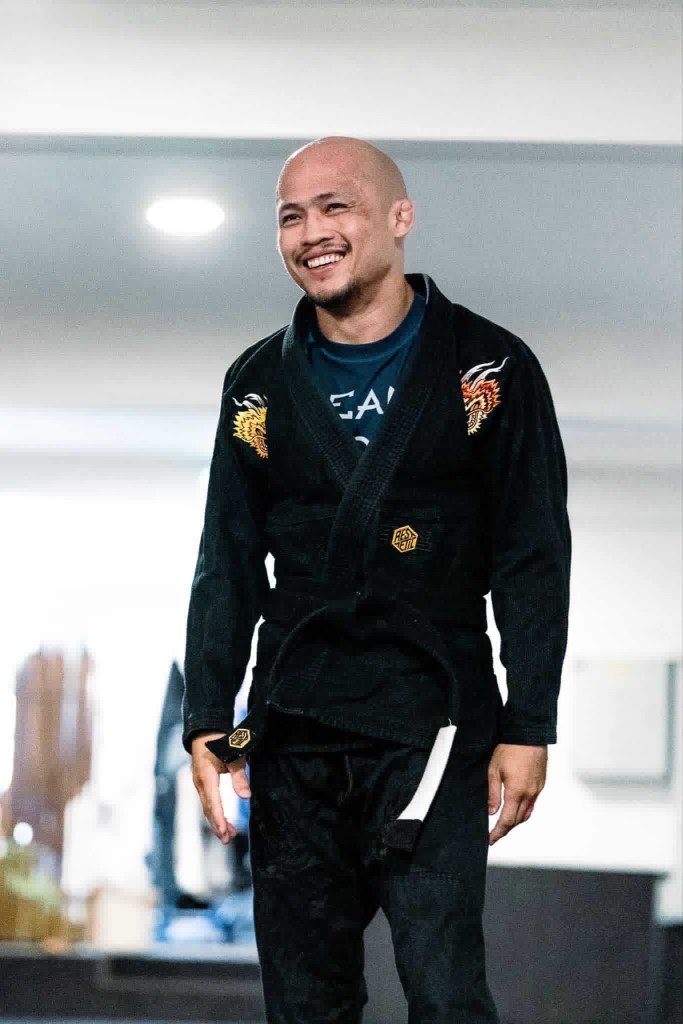
From MMA Roots to Jiu-Jitsu
Q: Can you kindly introduce yourself?
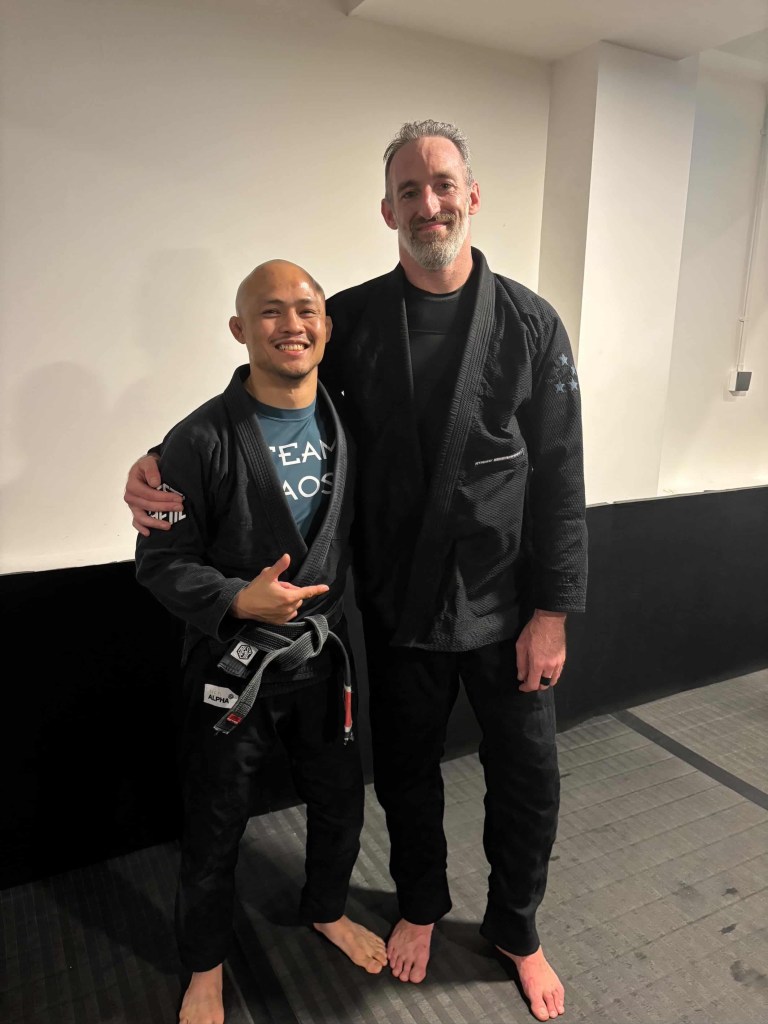
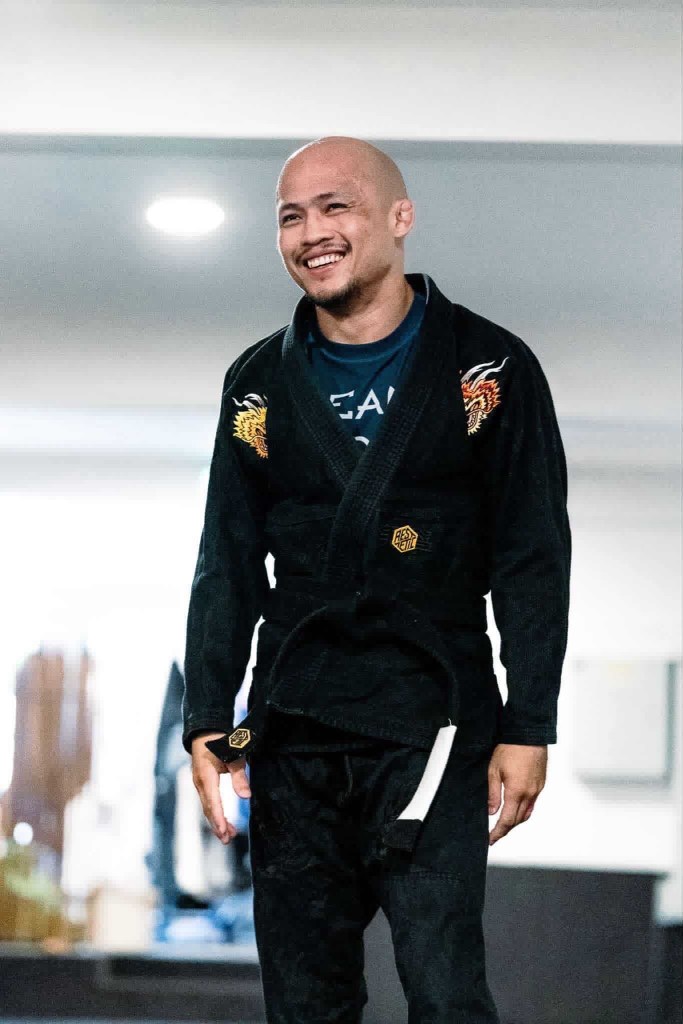
I’m Neo a black belt that coaches in Carpe Diem and I am also an BJJ event organizer.
I run events across like ADCC Malaysia, ASJJF, and Grappling Industries. At heart, I’m a builder. I build people, teams, and platforms for others to grow.
Q: How did you start training in BJJ?
I actually started of as a curious young adult during the 2011/2012 then was GSP, Leoto Machida, Diaz bros so I jumped into mma straight, that time wasn’t a lot of locals it was all the Russian guys I trained with. I was just doing ok below average income so BJJ then wasn’t something I can afford so I focused more to MMA and my first month I go fight Uzbekistan boxer. Broke my nose lost by tko. Insurance dint cover so I dint fix it. Train another 3 months mix BJJ wrestling and boxing with a bit of muaythai..
Then I fight another Russian kid lost again by tko.. but i did better scores a alot of single legs got some top position but gassed. 3rd fight onwards only start winning. That’s after about 14 months of training. Local fighters grew more. Got sponsored got gigs got paid. Got into local league unfortunately lost at finals.. train more fought more events mix with pro and Ammy. MMA paid to fight so I stayed with it more, got free suppliment sponsored and free training.
Basically I just emotionally and physically gritt my way through. Then after I touched by early 30s I decided to just focus on BJJ is the least invasive among all. All this is more than 12 entering 13 years of stories.
Q: What drew you to the gentle art?
(think the previous answer answered it all.)
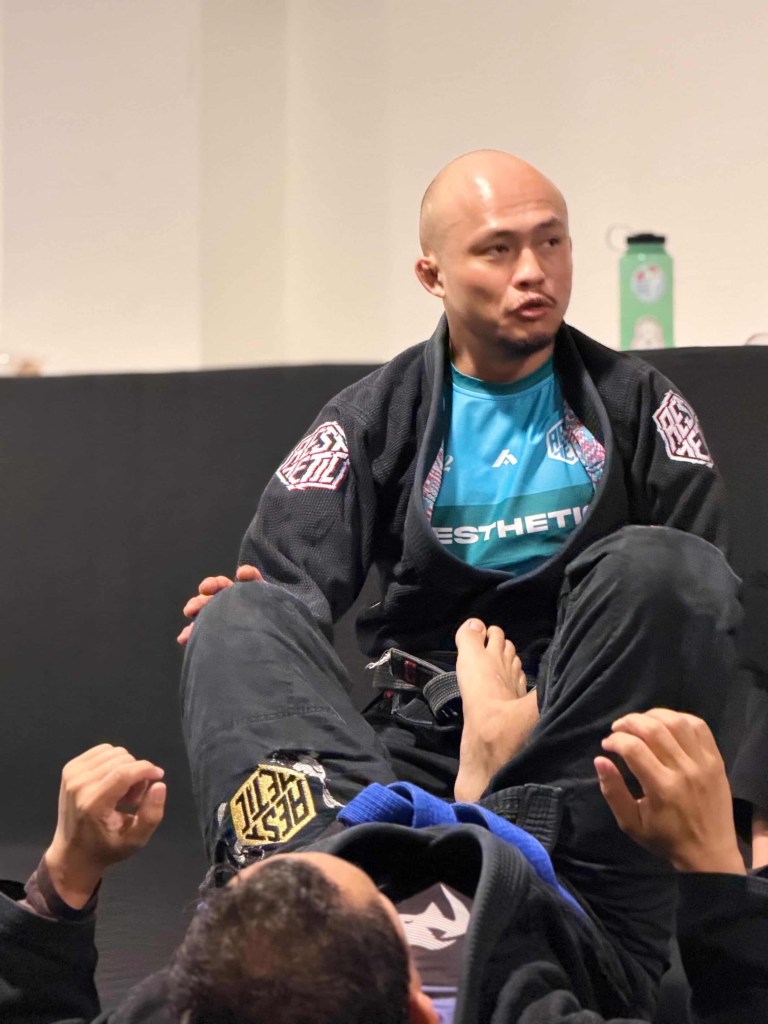
The Grappling Scene in Southeast Asia
Q: What is the Jiu Jitsu scene in Malaysia & Singapore like?
In Malaysia, it’s growing super fast more grassroots, more passion-driven, strong community bonds.
In Singapore, it’s structured, professional, and very disciplined. The training intensity is high, and students are very consistent.
Both are strong in different ways Malaysia has hunger, Singapore has systems. But both have the same gem that’s rising now. The kids are the future so many beast coming up. I think in just a short 3-5 years we will see more of the youths conquering the now adult categories cleaning out their brackets.
Q: What do you think it would take to accelerate the growth of BJJ in Singapore?
To be fair I’m only here about a year in so I can’t say much about this. But I can see both MY and SG are in the right trajectory by having kids heavy focus.
Competition and Rulesets
Q: In terms of competing Submission Grappling and Jiu Jitsu, what rules set do you favor the most?
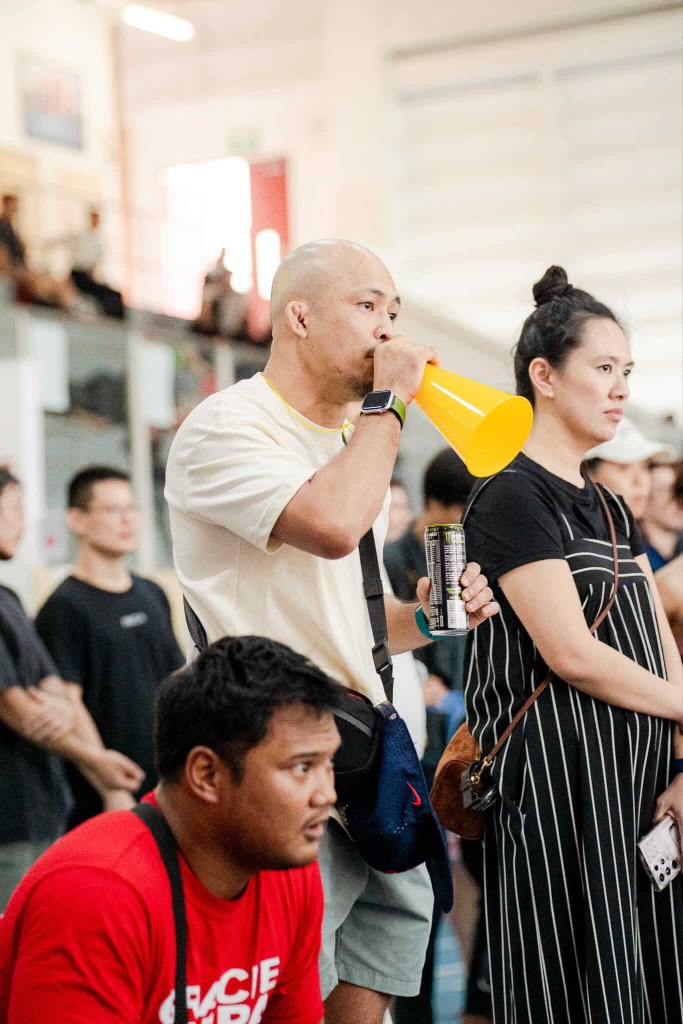
Person preferences- Funny one I going to say this separately as a ref and competitor.. as a ref Grappling Industries is the easiest rule set to ref it’s simple not complicated and lesser nuances especially the out of bound conditions, it’s less to think about. As a competitor I like the Asjjf rules to compete. It’s all “you” no advantages of “almost pass or almost sweep” and no ref decision. U draw its sudden death first score one wins.
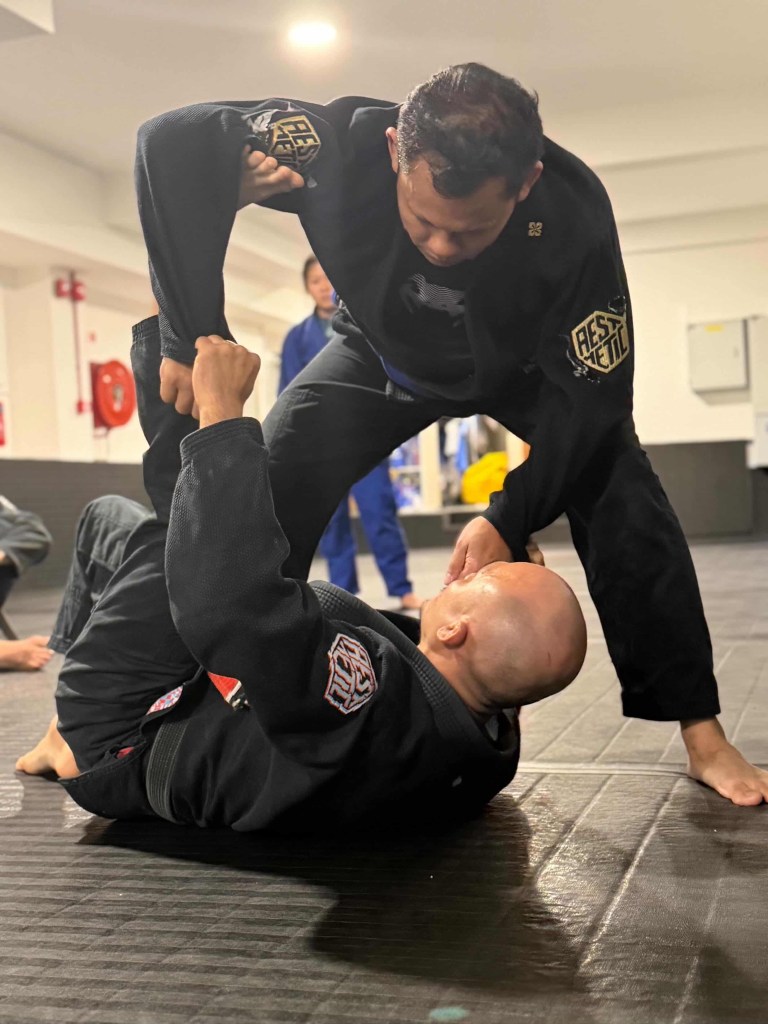
Training Environment and Career Highlights
Q: How do you find the training environment in Singapore compared to other regions in Asia?
So far I have only been focus my energy on Carpe Diem SG I haven’t not visited any other gym to be fair. But in comparison to my very limited experiences. One biggest difference I felt is the general community in this country are exceptionally fitter than most. Buff guys and six pax is almost just everyone here. So with that note the average hobbyist is already quite athletic.
Q: What is the most influential or biggest achievement in your career so far?
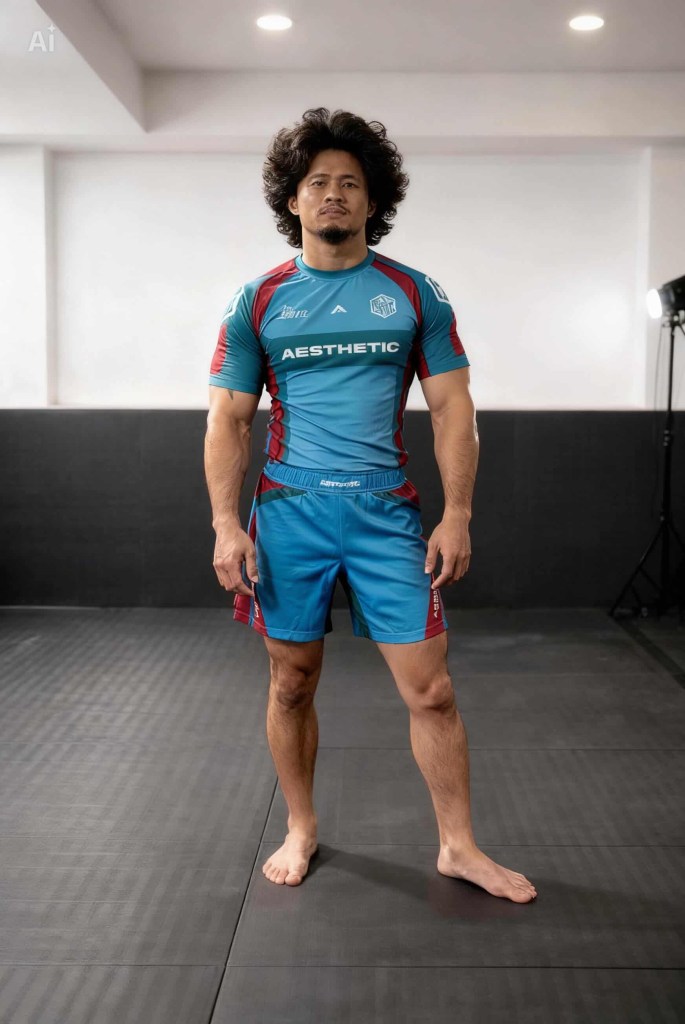
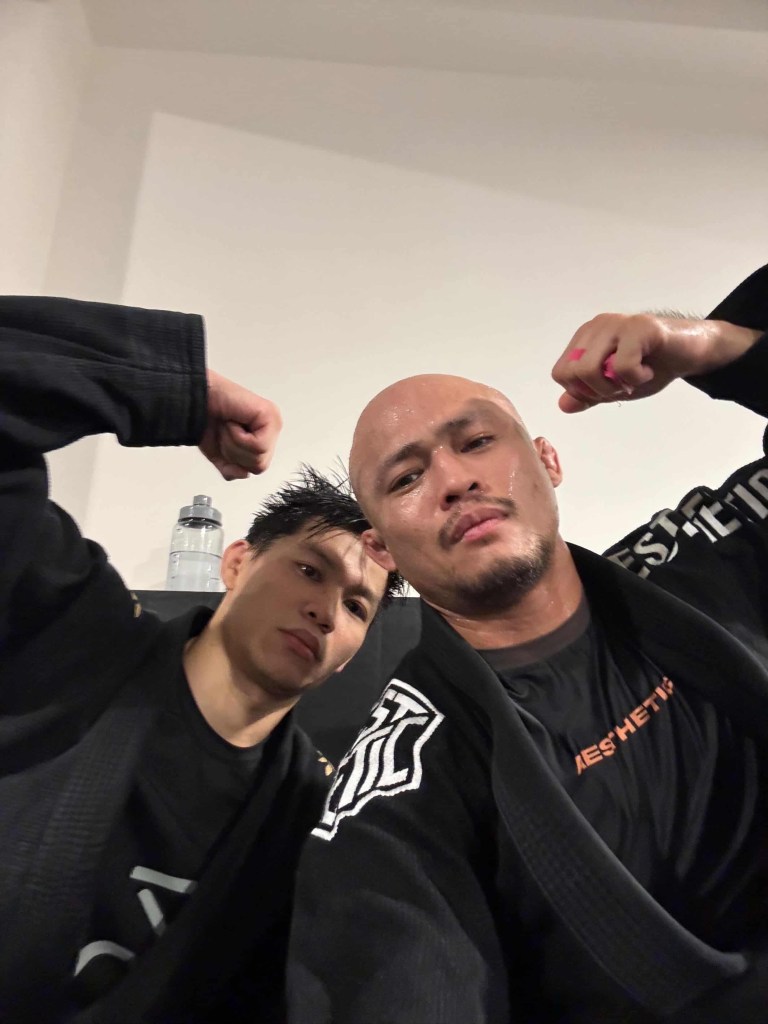
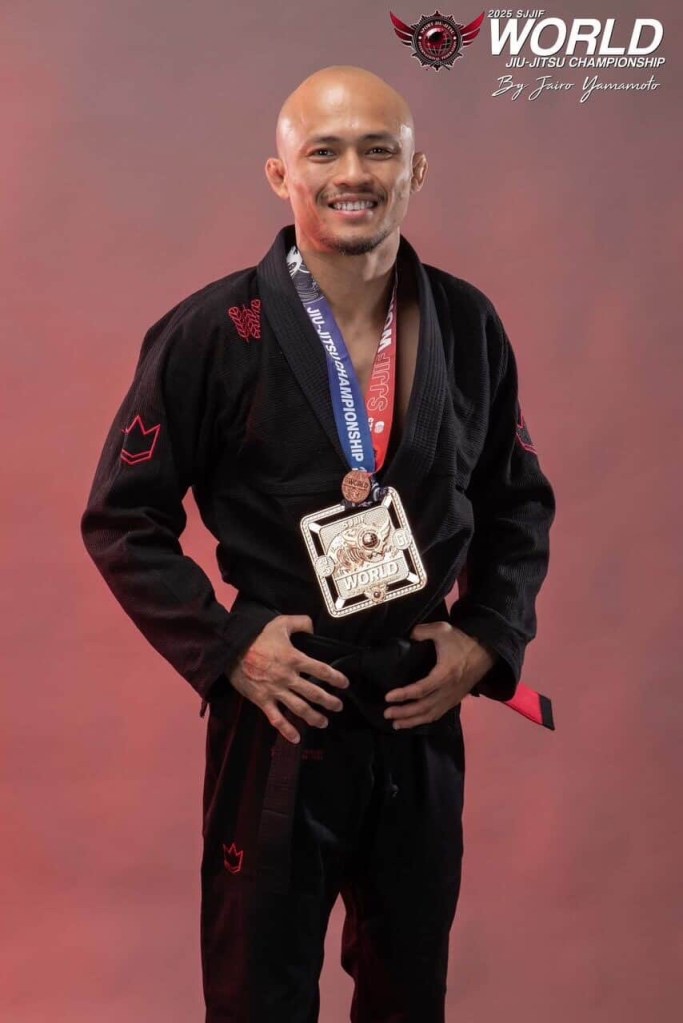
Mainly as a builder definitely building platform running international events in Malaysia and soon Singapore while seeing local athletes step onto bigger stages. When I see competitors who started locally now performing internationally, it’s a good feeling of growth. As a competitor I think biggest 2 I felt good about was one in MMA days I got into the finals of MIMMA then, for those who don’t know it was a league and finals was in a proper stadium. Of recent is definitely by current Bronze of SJJIF Worlds.
Gi vs No-Gi
Q: Do you have a personal preference over Gi or No-gi?
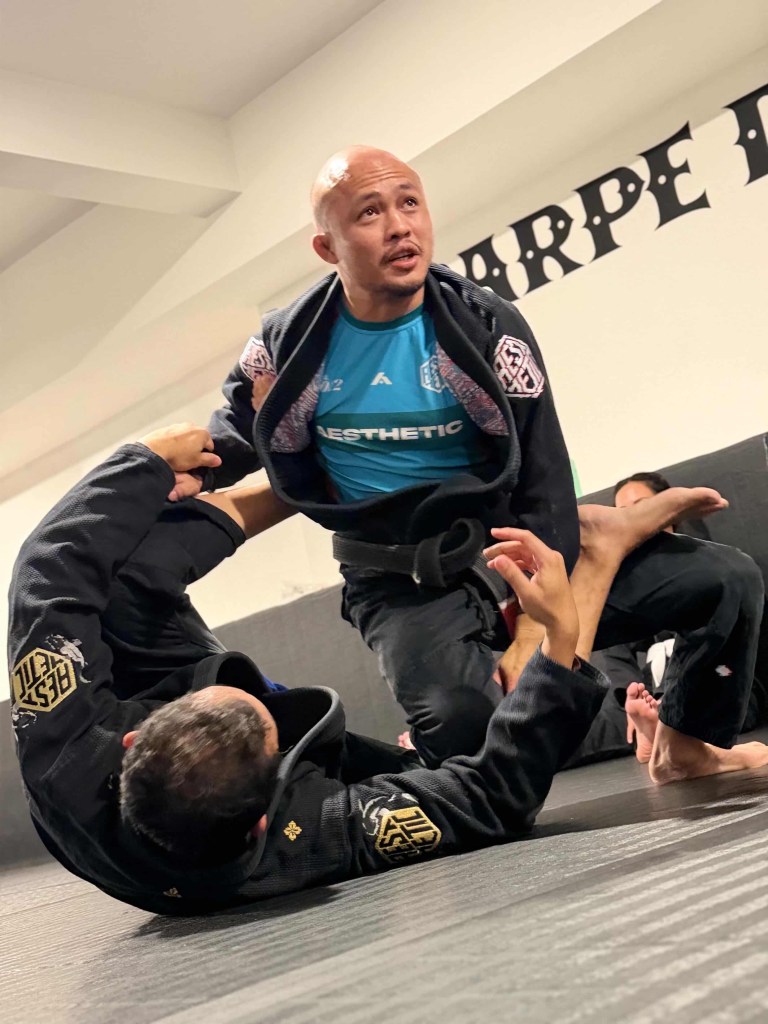
I like both I do them both. But I’m the smallest of most male brackets so I personally find going with bigger guys I side with nogi and closer weight classes the gi. But I find them both complimentary with each other. I cross apply a lot of techniques. I find doing nogi with bigger guys almost always lets me to move around without the gi grips.
The Future of Jiu-Jitsu in Asia
Q: How would you evaluate the current trends in Jiu Jitsu? What do you think of the future of Jiu Jitsu in Asia?
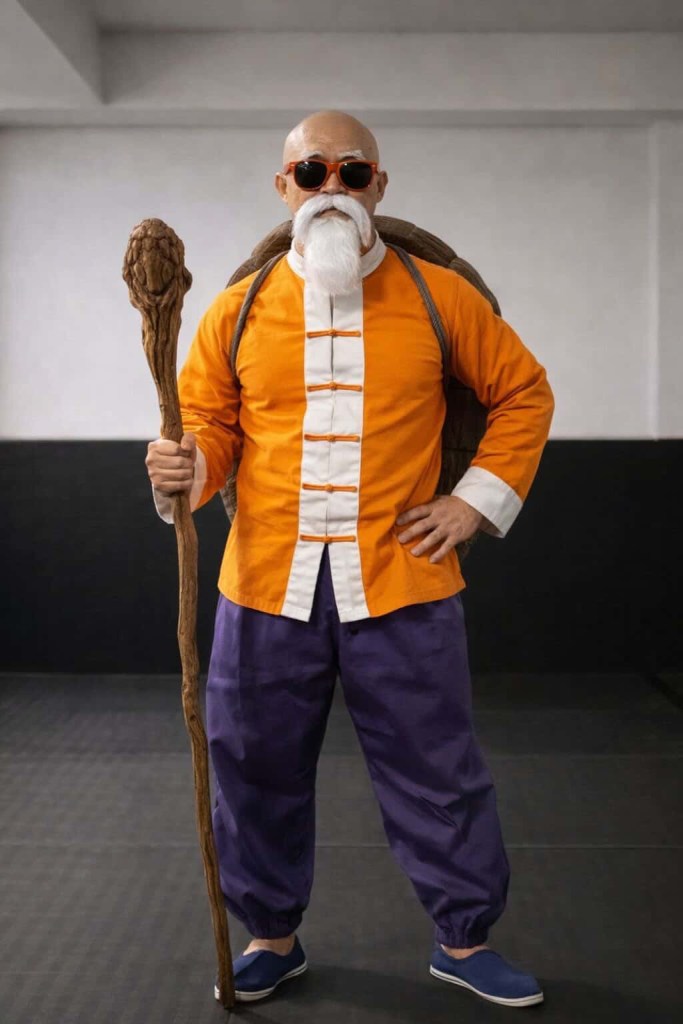
I think the future is really going to be a crazy talent explosion. It’s like the generational change of Dragon Ball. The younger generation gets more powerful than their predecessors. It’s so true we can see the kids doing things that my time we learn maybe in our blue or purple.
Q: Which country do you think is the fastest growing in terms of grappling in Asia right now?
I want to side track to specifically South East Asia I think Thailand, Singapore and Malaysia is growing at rapid pace but they are expanding on their own direction some in volume of number were large number of kids and members in general. Others on alternative like Duo Show system is growing more and more popular. It’s a good thing so that people can start and enjoy the sport at their own perspectives.
Training and Coaching Philosophy
Q: What is a typical training schedule for you?
It depends if I need to travel between KL and Singapore, but generally 6-7 days per week
I mix of technical drilling, positional sparring, then I do this what I like to call as my lab work where I test things out progressing from lower belts to higher belts with live rounds I’ll only go all hard balls to the wall rounds out like 3 times max 4 a week between gi and nogi.
Strength & conditioning 2–3 times weekly
This is besides coaching and studying sessions
Q: How do you approach your coaching?
I approach coaching with clarity and structure. For the beginners I try to focus on principles rather than the technique it self like answering the big “why” every step.
I believe once new members understand the “why” in a structured teaching syllabus. They’ll be able to solve problems independently. I like to build thinkers.
Training should be challenging, both mentally and physically. Intensity with purpose.
Q: In your own experience coaching at CDBJJ, do you think this is the fastest way to develop students in terms of progression?
Giving credit to Aacus and his coaching team I think it’s evident by their students and results that defiantly a good growth method.
Inspirations and Future Plans
Q: Who do you draw inspiration from in terms of coaches and competitors?
I like to pick and combine things up a lot. I think on the initial stage I consume Ryan Hall’s methods a lot. One of the biggest influence on my main primary game was based on
Rikako Yuasa the newer guys would probably not know of this name hope she’s well. Today I find my self getting a mix of Lachlan Giles, Gordon, Jozef Chen, Jamil Hill.
Q: What are your future plans?
Firstly think what’s immediate now we are working on bringing our events into Singapore. Then secondly on my own personal side I do eventually hope that I can spend time with the family more so the thought is to be around here more. But let’s see how things progress in this 1-2 years.
Gratitude
Q: Lastly, who would you like to thank?
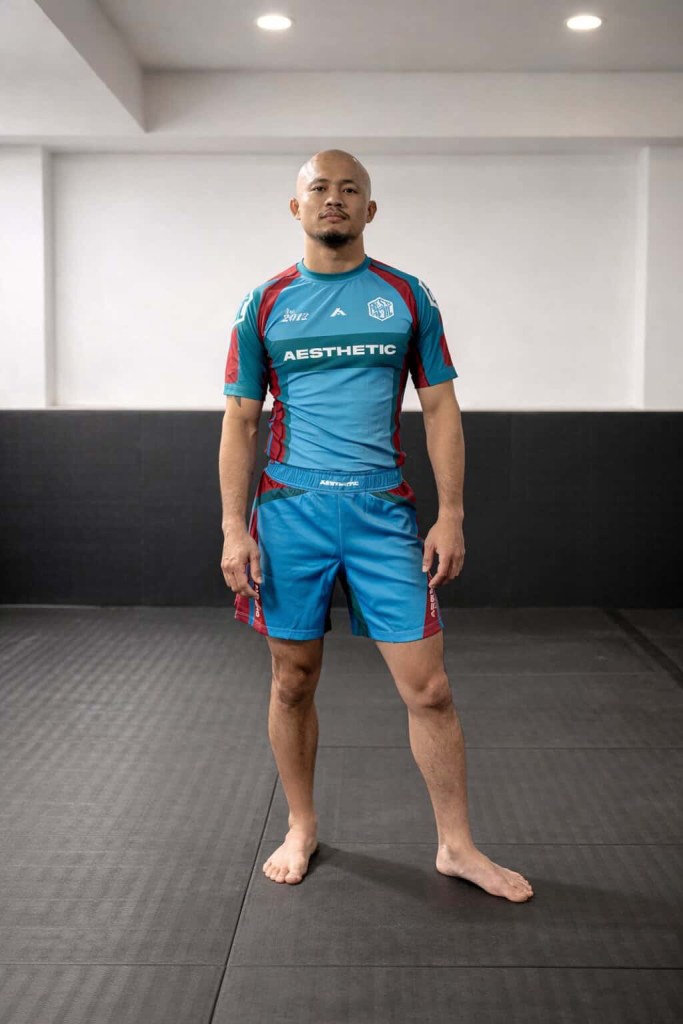
Besides my Family. Bosses and sponsor Aesthetic. Personally I’d like to thank Bruno Barbosa, I think moving to SG was a mental challange more than a physical one and his advice sort of grounded me a lot. I approached him because I understand that he is in the similar situation andore challenging. Now that he has to return back home I wish him all the very best and good health to him and the family. He is like the older brother I never knew I needed.

Own Coverage
Q: What does a strong gym culture and community mean to you, and how do you cultivate it?
Personally, culture and community growth is not accidental. It’s designed. If you don’t define it, ego will define them for you. This means from the start a gym culture and community starts with clarity, personally the way I approach this is a clear expression not my words but by action. I will show and lead the team to understand that we are on the mats in humility suitable for everyone from all walks of life and statuses to come to the mats on the level to learn while enjoy. This comes with the goal of continuous improvement and growth. My perspective is community doesn’t mean being comfortable or complacent but it’s feeling safe to grow. When I approach a class I always want to have the team feel that they belong to something not just attending a class, but contributing to a community of their own.
Q: What practical methods do you use to develop both new and advanced students within your culture?
For new members and students I believe we need a good structure and also more kinder approach with lots of patience. So I don’t just teach techniques and movements we need to explain the why’s in every detail.
Why we shrimp.
Why we frame.
Why we create structure before we attack.
If new members and beginners understand the “why,” this will help build confidence faster. With this they will learning principles. This clarity reduces frustration and accelerates development.
For the senior students, pressure compliments growth. Either for more advance strategies to bait and to set traps. If possible I would also encourage competing. I like to use comp as a tool. Competition pushes the preparation pressure that you don’t see in regular training. It forces more intense accountability. It tests mindset.
Preparing together for competition training together, pushing through fatigue that whole thing elevates the whole room.
That’s how culture turns into progression.
Q: How do you use competition to strengthen community while maintaining a healthy coach–student boundary?
I personally believe competition is a nice tool to use as a lead up for community growth. When the team prepares for a competition together we cut weight, push through tough rounds, sharpening details it’s a shared struggle that builds connection. We see each other get tired, frustrated sometimes doubt builds. Together we overcome it. So someone wins, it’s a win for the whole team we celebrate. When someone loses, the whole team learns. This bonds people in such a way that casual training can’t. But at the same time, I believe in holistic coaching within the boundaries of Jiu Jitsu. I for my students as individuals, not just as athletes. I don’t just instruct a few techniques and end the day I pay attention to their mindset, their discipline, their consistency. This means showing up consistently for each other through preparation, performance, and growth and competition has the potential to accelerate all of that.
Of course end day competition it’s not for everyone and that’s ok. The real danger isn’t “not competing.” It’s training without pressure or intention. I just find competition a good tool to build bonds.

