From Chile to Thailand: Antonio Cárcamo Barrientos on Jiu-Jitsu, Growth, and the Power of Small Beginnings
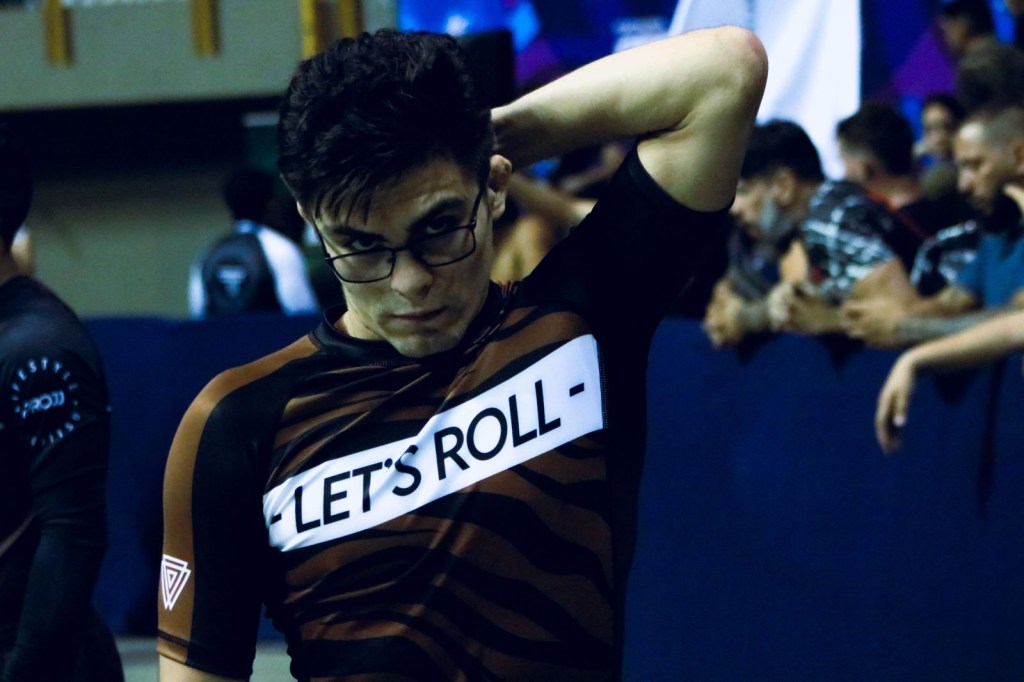
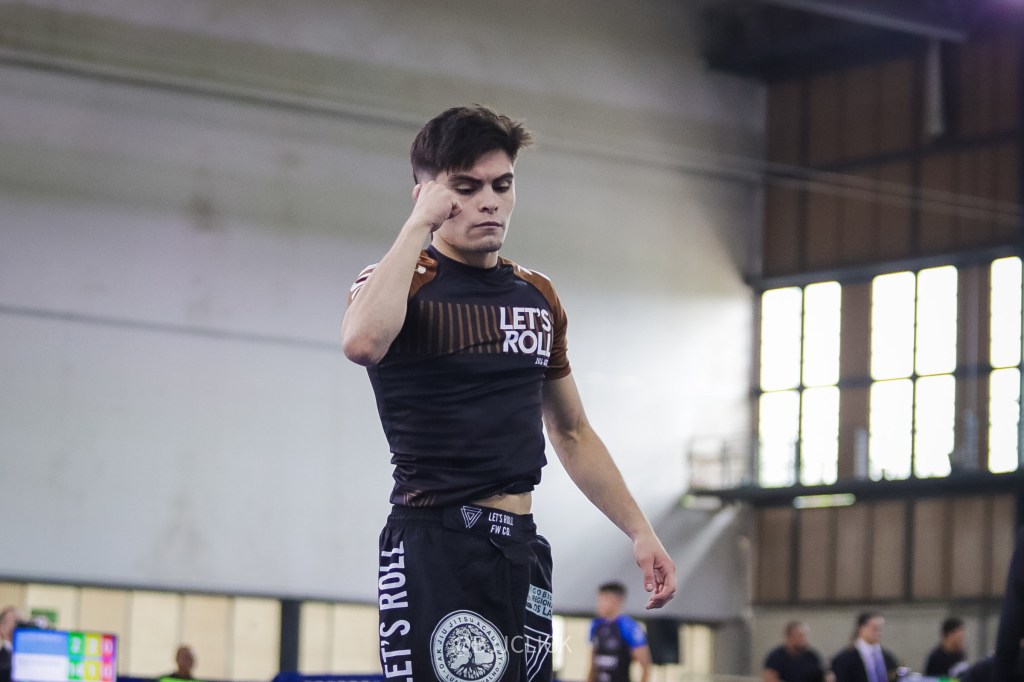
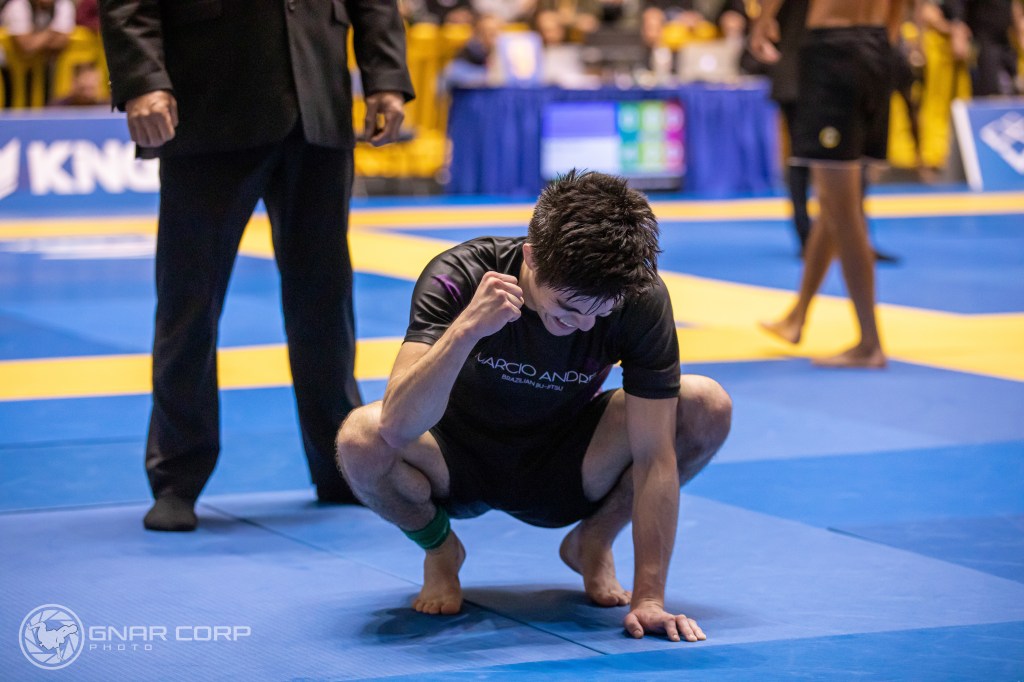
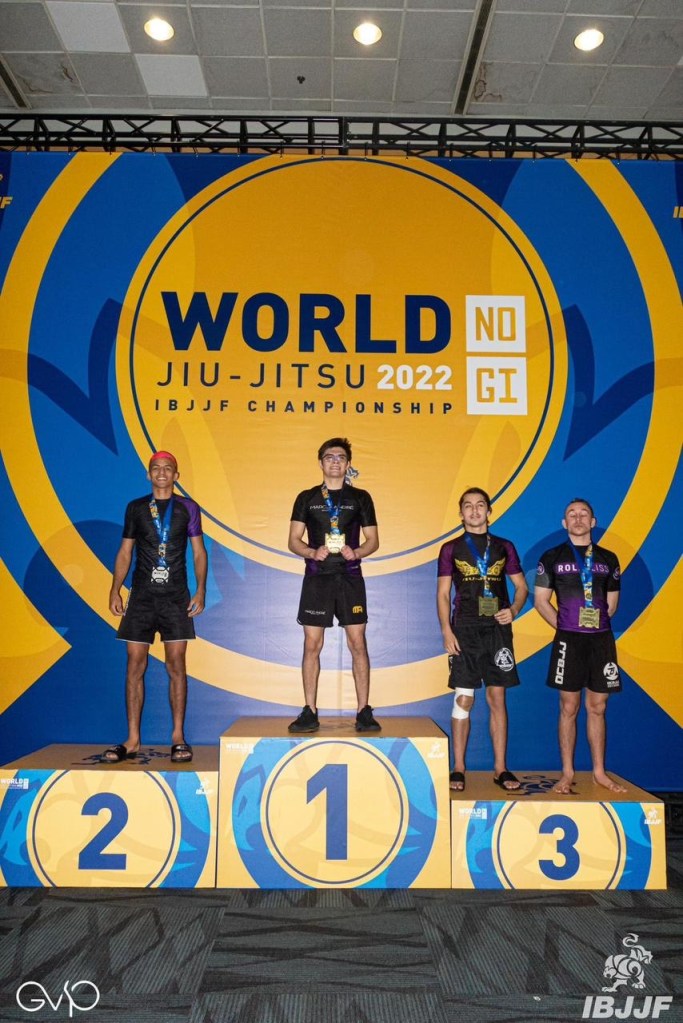
Hailing from a small island in southern Chile, 25-year-old Antonio Cárcamo Barrientos has dedicated his life to Jiu-Jitsu. With titles such as IBJJF South American Champion and IBJJF Purple Belt World Champion, Antonio’s journey reflects grit, humility, and a deep love for the sport. Now training in Thailand and part of the Nova União lineage, he shares his path, his views on the sport’s evolution in South America and Asia, and his aspirations for the future.
Q1. Can you kindly introduce yourself?
My name is Antonio Cárcamo Barrientos. I’m Chilean, from an island in the south of Chile. I’m 25 years old and I dedicate all my time to Jiu Jitsu.
Q2. How did you start training in BJJ?
I started training in 2016 with a small team in my hometown led by Nicolás Ponce.
Q3. What drew you to the gentle art?
My older cousins motivated me to start Jiu-Jitsu after a New Year’s dinner, they told me it was the best sport and that I’d be able to beat up everyone, haha.
Q4. What is the Jiu-Jitsu scene in Chile like?
Jiu-Jitsu in Chile has been growing exponentially. Nowadays, there are many schools and quality tournaments across the country. Internationally, we have great representatives, especially in No Gi.
Q5. What do you think it would take to accelerate the growth of BJJ in Chile?
I feel that, overall, things are being done the right way in Chilean Jiu-Jitsu. It’s just a matter of time. Chile already has several world champions at the colored belt level and other major achievements at black belt, which reflects the work being done.
Q6. In terms of competing in Submission Grappling and Jiu Jitsu, what ruleset do you favor the most?
I’m versatile, I can do both. I like to compete in both Gi and No-Gi, but right now I’m focusing more on the Gi.
Q7. How do you find the training environment in Chile compared to other regions in Asia?
The training environments are similar, we’re always working hard and making the most of the resources we have. I’d say the biggest difference is the number of different people you can roll with. In Chile, you tend to face the same people, but in Bangkok there’s always someone new to train with every day.
Q8. If you could train at any gym for a prolonged period of time, where would it be and why?
If I had to choose a team that inspires me, it would definitely be AOJ (Art of Jiu Jitsu), because of their technical abilities and life philosophy. I really admire the values they represent.
Q9. What is the most influential or biggest achievement in your career so far?
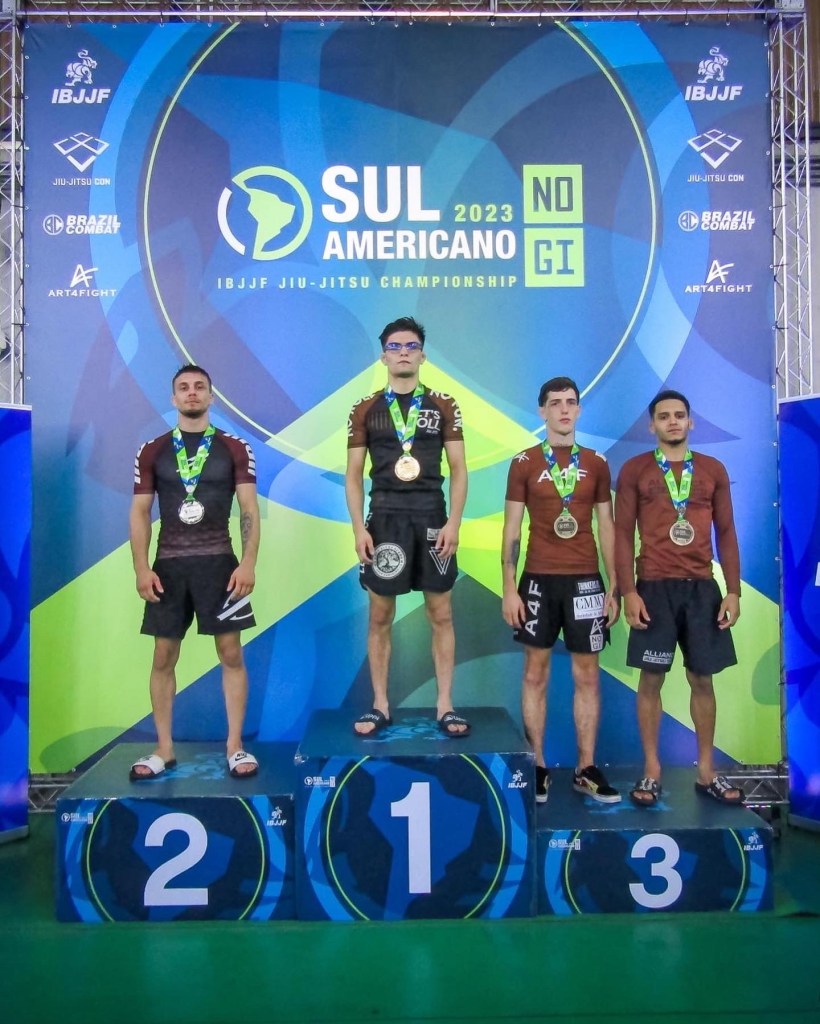
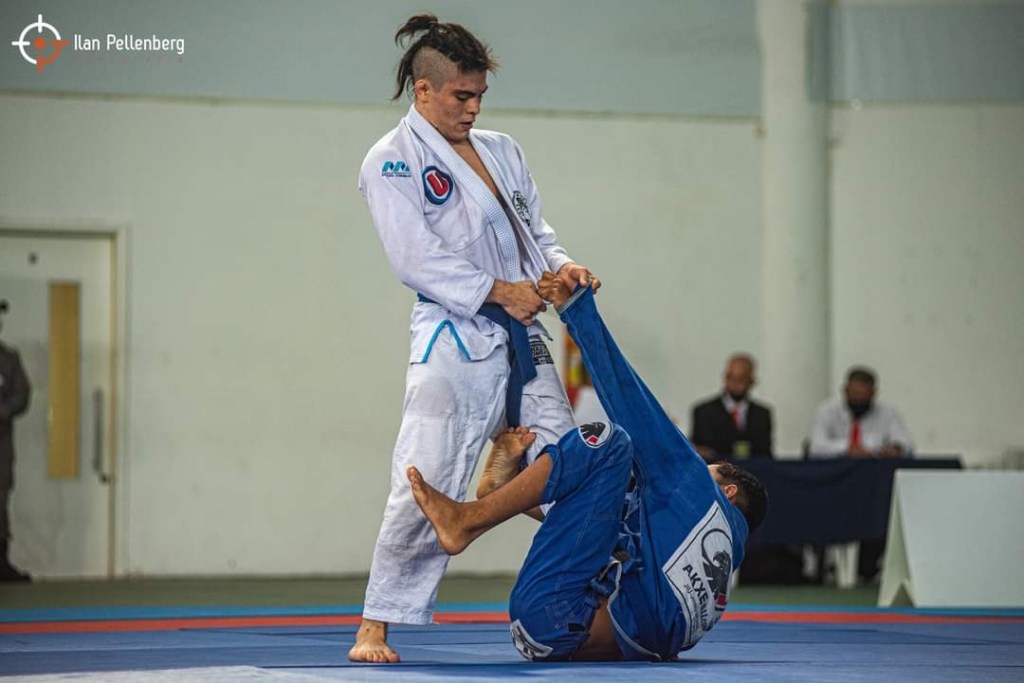
- IBJJF South American Champion (Brown Belt)
- IBJJF World Champion (Purple Belt)
Q10. Do you have a personal preference over Gi or No-Gi?
Jiu-Jitsu is everything, with or without the Gi. I love to train and compete regardless of the style.
Q11. What are your thoughts on current Jiu-Jitsu trends and the future of Jiu-Jitsu in South America?
South America has always had a high level of Jiu Jitsu, especially in the Gi. There’s a strong Gi culture there, although in recent years No Gi has been growing rapidly. South America will continue to produce world class athletes, not just from Brazil, but also from countries like Chile, Argentina, and Uruguay.
Q12. Which country do you think is the fastest growing in terms of grappling in Asia?
I’ve been able to experience the level of Jiu Jitsu in Asia, and it’s quite good overall. What really stood out to me, though, was the work Thailand is doing with its national team. I’ve been fortunate enough to train with them. They have great skills and potential, and I was impressed by the training environment of Thailand’s National Team.
Q13. What is a typical training schedule for you? Weekly, daily?
I train six days a week and rest one day, although I have to admit I struggle to rest, haha. I really love being on the mats. I usually do two to three training sessions per day, split between Jiu-Jitsu and physical conditioning.
Q14. How did you come to travel and train in Thailand?
I came to Thailand because my professor, Nicolás Ponce, invited me. He moved to Bangkok and is one of the coaches at Arete. Arete comes from the Nova União team in Brazil, I’m also a part of Nova União, so we share the same lineage.
Q15. How do you approach your coaching?
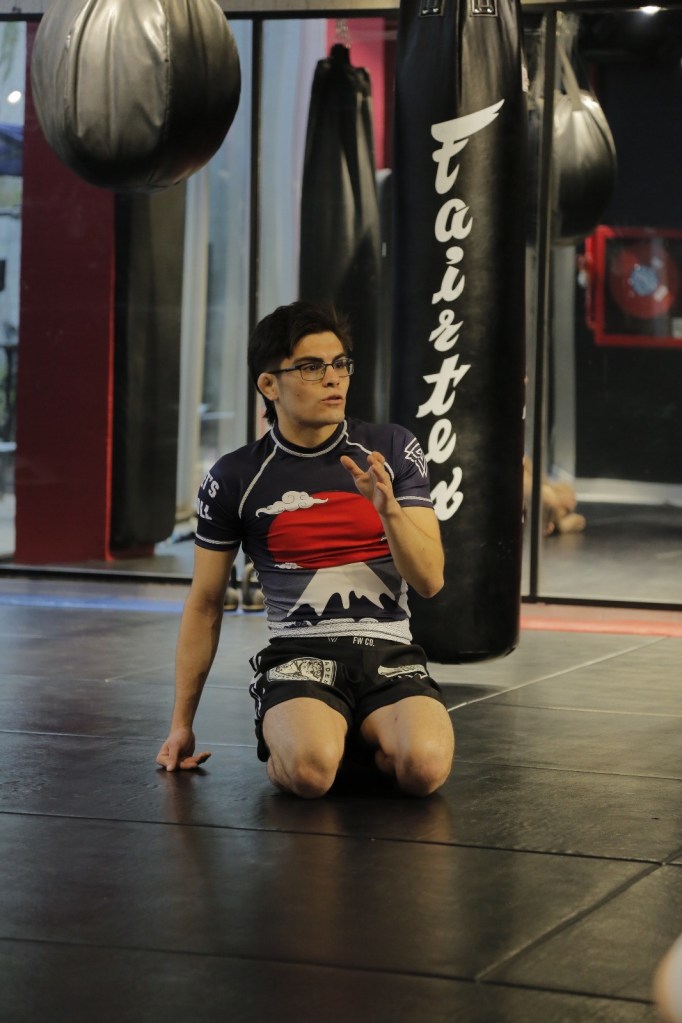
As a coach, I see myself as someone who cares deeply about helping my students understand what they’re doing, not just doing things just to do it. I try to give them the tools and the freedom to explore their own game. One day, I hope to become a great coach and develop future champions.
Q16. In your experience coaching at various gyms around the world, what do you think is the fastest way to develop students in terms of skill progression?
This depends on each student and the coach’s ability to adapt to them. Personally, I try to mix dynamic (Application of Knowledge) with informative teaching methods (Knowledge). The ratio changes depending on the student. No matter how fast or slow a student progresses, spending time on the mats is fundamental for growth as a grappler.
Q17. Who do you draw inspiration from in terms of coaches and competitors?
My main inspirations are Luan Carvalho and Nicolás Ponce. I’m so lucky to have met them especially since we’re so close. They come from small places and, without making excuses, achieved great things in Jiu-Jitsu and they also give back to the community.
Q18. What are your future plans?
My future goal is to compete as an adult black belt and perform at the highest level of my discipline.
That’s my dream.
Q19. Lastly, who would you like to thank?
I want to first thank God for keeping me healthy and surrounded by good things, my family for their unconditional love and support, and my sponsors for helping me live my dreams. I’d also like to thank everyone at Arete for opening their doors to me and allowing me to train with them.
Without a doubt, it’s been one of the best experiences I’ve ever had.
El artículo en Español de abajo
Q1. Cuéntanos un poco sobre ti.
Antonio Cárcamo Barrientos, soy chileno, vengo de una isla del sur de Chile, tengo 25 años y me dedico a tiempo completo al Jiu-Jitsu.
Q2. Cómo comenzaste en el BJJ?
Empecé a entrenar en 2016 en un pequeño equipo en mi ciudad liderado por Nicolás Ponce.
Q3. Qué te atrajo del arte suave?
Mis primos mayores me motivaron a entrenar Jiu-Jitsu después de la cena de Año Nuevo. En su momento me dijeron que era el mejor deporte y podría pegarle a todos jajaja.
Q4. Cómo es la escena del Jiu-Jitsu en Chile?
El Jiu-Jitsu en Chile ha ido en una evolución exponencial, actualmente hay muchas escuelas y buenos torneos en Chile. A nivel internacional tenemos muy buenos representantes, en especial de No-Gi.
Q5. Qué haría falta para que crezca más rápido?
Siento que a nivel de Jiu-Jitsu las cosas se están haciendo bien. Solamente falta tiempo. Chile ya tiene varios campeones mundiales de cinturón de color y otros grandes logros de cinturón negro, eso refleja el trabajo que se ha hecho.
Q6. Prefieres competir con reglas de Submission Grappling o Jiu-Jitsu?
Soy versátil, puedo hacer las dos. Me gusta competir en ambas modalidades, pero ahora estoy enfocado en el Gi.
Q7. Cómo comparas el ambiente de entrenamiento en Chile con Asia?
Los ambientes son parecidos, siempre luchando y aprovechando los recursos que tenemos a disposición. Diría que la diferencia es la cantidad de personas diferentes con las que puedes luchar: en Chile son siempre los mismos, en cambio en Bangkok todos los días hay alguien nuevo con quien luchar.
Q8. Si pudieras entrenar en cualquier gimnasio del mundo, cuál sería y por qué?
En definitiva, AOJ, por su calidad técnica y filosofía de vida. Me gustan los valores que demuestran.
Q9. Tu logro más importante hasta ahora, cuál es?
Campeón Sudamericano IBJJF de Marrón y Campeón Mundial IBJJF de Morado.
Q10. Gi o No-Gi?
Todo. El Jiu-Jitsu es con Gi y sin Gi, me gusta luchar sin importar la modalidad.
Q11. Qué opinas de las tendencias actuales del Jiu-Jitsu y del futuro en Sudamérica?
Sudamérica siempre ha tenido un gran nivel de Jiu-Jitsu, en especial de Gi. Se hace mucho Gi en Sudamérica, aunque en estos últimos años se ha visto un crecimiento del No-Gi. Sudamérica seguirá exportando grandes luchadores al mundo, no solamente de Brasil, sino de otros países como Chile, Argentina, Uruguay, etc.
Q12. En Asia, qué país crees que está creciendo más rápido en grappling?
He podido ver el nivel en Asia, es bastante bueno en general, pero lo que más me llamó la atención fue el trabajo que hace Tailandia con su selección nacional. Por fortuna he podido entrenar con ellos, los chicos tienen mucho Jiu-Jitsu y gran potencial. Me impresionó el ambiente de entrenamiento del National Team de Tailandia.
Q13. Cómo es tu rutina de entrenamiento diaria o semanal?
Entreno 6 días a la semana, descanso un día, aunque debo confesar que me cuesta descansar jajaja, me gusta mucho estar en el tatami. Hago alrededor de 2-3 sesiones de entrenamiento por día, entre Jiu-Jitsu y preparación física.
Q14. Cómo terminaste entrenando en Tailandia?
Llegué a Tailandia por invitación de mi profesor, Nicolás Ponce, quien se mudó a Bangkok y es uno de los coach de Arete. Arete proviene del equipo Nova União de Brasil; yo también soy de Nova União, por ende tenemos el mismo linaje.
Q15. Cuál es tu estilo como coach?
Me considero un coach bastante preocupado por hacer que mis alumnos comprendan lo que está pasando y que no hagan las cosas simplemente por hacerlas. Les doy las herramientas y la libertad de que puedan incursionar en su propio juego. Planeo algún día ser un gran entrenador y formador de campeones.
Q16. Según tu experiencia, cómo progresan más rápido los alumnos?
Eso dependerá de cada alumno y de la capacidad del profesor de adaptarse a cada uno de ellos. Personalmente trato de mezclar lo dinámico y lo informativo; dependiendo del pupilo, el porcentaje de dinámico e informativo va a variar. Independientemente de cómo evolucione el alumno, pasar tiempo en el tatami es fundamental para tu crecimiento como luchador.
Q17. De quién te inspiras como entrenador o competidor?
Me inspiro tanto de Luan Corucho como de Nicolás Ponce. Soy afortunado de contar con gente que me inspira tan cerca de mí. Ellos vienen de lugares pequeños y, sin poner ninguna excusa, lograron hacer grandes cosas en el Jiu-Jitsu, además de ayudar a la comunidad.
Q18. Planes a futuro en el Jiu-Jitsu?
Mi plan para el futuro es competir de cinturón negro adulto y competir al más alto nivel de mi disciplina. Es mi sueño.
Q19. Por último, a quién quieres agradecer?
Quiero agradecer primero a Dios por mantenerme con salud y rodeado de cosas buenas; a mi familia por el apoyo y cariño incondicional. Además, a mis auspiciadores por ayudarme a estar viviendo mis sueños. Me gustaría agradecer a la academia Arete por abrirme sus puertas y poder entrenar con ustedes; sin duda ha sido una de las mejores experiencias que he podido vivir.
Thai Language Below :
จากชิลีสู่ประเทศไทย: เส้นทางของ Antonio Cárcamo Barrientos บนเส้นทางแห่งจิวจิตสึ การเติบโต และพลังของการเริ่มต้นเล็กๆ
Antonio Cárcamo Barrientos นักสู้วัย 25 ปีจากเกาะเล็ก ๆ ทางตอนใต้ของชิลี ผู้มุ่งมั่นทุ่มเทให้กับกีฬาจิวจิตสึจนสามารถคว้าแชมป์ระดับนานาชาติมามากมาย ทั้งแชมป์ IBJJF South American และแชมป์โลก IBJJF Purple Belt เส้นทางของเขาเป็นภาพสะท้อนของความพยายาม ความถ่อมตัว และความรักที่มีต่อกีฬานี้อย่างแท้จริง ปัจจุบัน Antonio ฝึกซ้อมอยู่ในประเทศไทยในสาย Nova União และได้เปิดเผยมุมมองเกี่ยวกับเส้นทางอาชีพ การพัฒนาของวงการจิวจิตสึในอเมริกาใต้และเอเชีย รวมถึงความฝันที่เขาต้องการก้าวไปให้ถึงในอนาคต
Q1. ช่วยแนะนำตัวเองหน่อยได้ไหม?
ผมชื่อ Antonio Cárcamo Barrientos เป็นชาวชิลี มาจากเกาะเล็ก ๆ ทางตอนใต้ของประเทศ อายุ 25 ปี และใช้เวลาเกือบทั้งหมดไปกับการฝึกจิวจิตสึครับ
Q2. คุณเริ่มฝึก BJJ ได้อย่างไร?
ผมเริ่มฝึกในปี 2016 กับทีมเล็ก ๆ ในบ้านเกิด ที่นำทีมโดย Nicolás Ponce
Q3. อะไรดึงดูดคุณให้เข้าสู่ศิลปะแห่งความอ่อนโยนนี้?
ลูกพี่ลูกน้องของผมเป็นคนชวนให้ลอง หลังจากงานเลี้ยงปีใหม่ พวกเขาบอกว่านี่คือกีฬาที่ดีที่สุด และผมจะสามารถสู้ชนะทุกคนได้ ฮ่า ๆ เลยตัดสินใจลองดู
Q4. วงการจิวจิตสึในชิลีเป็นอย่างไรบ้าง?
จิวจิตสึในชิลีพัฒนาเร็วมาก ปัจจุบันมีทั้งโรงเรียนและการแข่งขันคุณภาพดีทั่วประเทศ ในระดับนานาชาติเราก็มีนักกีฬาฝีมือดีหลายคน โดยเฉพาะในสาย No-Gi
Q5. อะไรคือสิ่งที่จะช่วยให้ BJJ ในชิลีเติบโตเร็วยิ่งขึ้น?
ผมว่าตอนนี้ทุกอย่างในชิลีเดินมาถูกทางแล้ว สิ่งที่ขาดจริง ๆ คือเวลา ชิลีเองก็มีแชมป์โลกหลายคนในระดับสายสี รวมถึงผลงานโดดเด่นในระดับสายดำ ซึ่งสะท้อนให้เห็นถึงการทำงานหนักที่อยู่เบื้องหลัง
Q6. ระหว่าง Submission Grappling กับ Jiu-Jitsu คุณชอบกติกาแบบไหนที่สุด?
ผมทำได้ทั้งสองแบบครับ ชอบทั้ง Gi และ No-Gi แต่ช่วงนี้โฟกัสที่ Gi มากกว่า
Q7. บรรยากาศการฝึกในชิลีเทียบกับเอเชียเป็นอย่างไร?
บรรยากาศโดยรวมคล้ายกัน ทุกคนตั้งใจฝึกและทำงานหนักเหมือนกัน ความต่างที่เห็นชัดคือจำนวนคู่ซ้อม ในชิลีมักเป็นคนเดิม ๆ แต่ในกรุงเทพฯ คุณจะมีคู่ซ้อมใหม่ ๆ แทบทุกวัน
Q8. ถ้าสามารถไปฝึกยาว ๆ ที่ยิมไหนก็ได้ คุณจะเลือกที่ไหน และทำไม?
คงเป็น AOJ (Art of Jiu Jitsu) เพราะผมชื่นชมเทคนิคและปรัชญาการใช้ชีวิตของพวกเขามาก ทีมนี้ให้แรงบันดาลใจผมมากที่สุด
Q9. ความสำเร็จที่คุณภูมิใจที่สุดในอาชีพคืออะไร?
• แชมป์ IBJJF South American (สายน้ำตาล)
• แชมป์โลก IBJJF (สายม่วง)
Q10. ชอบ Gi หรือ No-Gi มากกว่ากัน?
ผมรักจิวจิตสึทุกรูปแบบ จะ Gi หรือ No-Gi ก็สนุกทั้งนั้นครับ
Q11. มองเทรนด์ปัจจุบันและอนาคตของจิวจิตสึในอเมริกาใต้อย่างไร?
อเมริกาใต้มีมาตรฐานจิวจิตสึสูงมาตลอด โดยเฉพาะสาย Gi ที่ยังคงเป็นวัฒนธรรมหลัก แต่ช่วงหลัง No-Gi ก็เติบโตเร็วมาก และผมเชื่อว่าทวีปนี้จะยังผลิตนักกีฬาระดับโลกต่อไป ไม่ใช่แค่จากบราซิล แต่รวมถึงชิลี อาร์เจนตินา และอุรุกวัยด้วย
Q12. ประเทศไหนในเอเชียที่คุณคิดว่าเติบโตเร็วที่สุดในด้าน Grappling?
โดยรวมแล้วเอเชียมีมาตรฐานที่ดีมาก แต่สิ่งที่โดดเด่นที่สุดสำหรับผมคือทีมชาติไทย ผมได้มีโอกาสฝึกด้วย และประทับใจในเทคนิคและศักยภาพของพวกเขามาก บรรยากาศการฝึกก็ดีเยี่ยม
Q13. ตารางการฝึกของคุณเป็นอย่างไร?
ผมฝึก 6 วัน พัก 1 วัน แต่ต้องยอมรับว่าพักไม่ค่อยเป็นครับ ฮ่า ๆ เพราะชอบอยู่บนเสื่อมาก ปกติฝึกวันละ 2–3 รอบ แบ่งระหว่างจิวจิตสึและฟิตเนส
Q14. คุณมาฝึกที่ประเทศไทยได้อย่างไร?
ผมมาที่ไทยเพราะอาจารย์ของผม Nicolás Ponce เชิญมา เขาย้ายมาอยู่กรุงเทพฯ และเป็นหนึ่งในโค้ชของ Arete ซึ่งสังกัดสาย Nova União เหมือนกับผม เราจึงมีสายวิชาเดียวกัน
Q15. สไตล์การเป็นโค้ชของคุณเป็นแบบไหน?
ผมอยากให้นักเรียนเข้าใจสิ่งที่ตัวเองกำลังทำจริง ๆ ไม่ใช่ทำไปตามคำสั่งเฉย ๆ ผมพยายามให้ทั้งความเข้าใจ และอิสระ เพื่อให้พวกเขาพัฒนาสไตล์ของตัวเอง สักวันผมอยากเป็นโค้ชที่ดีและสร้างนักกีฬาที่ประสบความสำเร็จให้ได้
Q16. วิธีพัฒนานักเรียนให้เก่งเร็วที่สุดคืออะไร?
มันขึ้นอยู่กับตัวนักเรียนแต่ละคน และโค้ชต้องรู้ว่าควรปรับยังไงให้เหมาะ ผมผสมทั้งการสอนเชิงความรู้และการสอนเชิงปฏิบัติ สัดส่วนจะเปลี่ยนตามผู้เรียน แต่อย่างไรก็ตาม การใช้เวลาบนเสื่อให้มากที่สุดคือกุญแจสำคัญของการเติบโต
Q17. ใครคือแรงบันดาลใจของคุณทั้งในฐานะโค้ชและนักแข่ง?
Luan Corucho และ Nicolás Ponce คือแรงบันดาลใจหลักของผม ผมโชคดีมากที่ได้อยู่ใกล้คนเก่ง ๆ แบบนี้ พวกเขามาจากที่เล็ก ๆ แต่ไม่เคยใช้เป็นข้ออ้าง และสามารถประสบความสำเร็จได้อย่างยอดเยี่ยม พร้อมทั้งตอบแทนสังคมด้วย
Q18. แผนในอนาคตของคุณคืออะไร?
ผมอยากแข่งขันในระดับสายดำรุ่นประชาชนและทำผลงานให้อยู่ในระดับสูงสุด นั่นคือความฝันของผมครับ
Q19. สุดท้ายนี้ อยากขอบคุณใครเป็นพิเศษไหม?
ผมอยากขอบคุณพระเจ้าที่ดูแลให้ผมมีสุขภาพดีและอยู่ท่ามกลางสิ่งดี ๆ ขอบคุณครอบครัวที่คอยสนับสนุนอย่างไม่มีเงื่อนไข ขอบคุณผู้สนับสนุนที่ทำให้ผมเดินตามความฝันได้ และขอบคุณทุกคนที่ Arete ที่เปิดบ้านให้ผมเข้าไปฝึกด้วย นี่คือหนึ่งในประสบการณ์ที่ดีที่สุดในชีวิตของผมจริง ๆ
 Grapple Asia