The Young Grappler : Michael Nathanael redefining Indonesia’s Jiu-Jitsu future
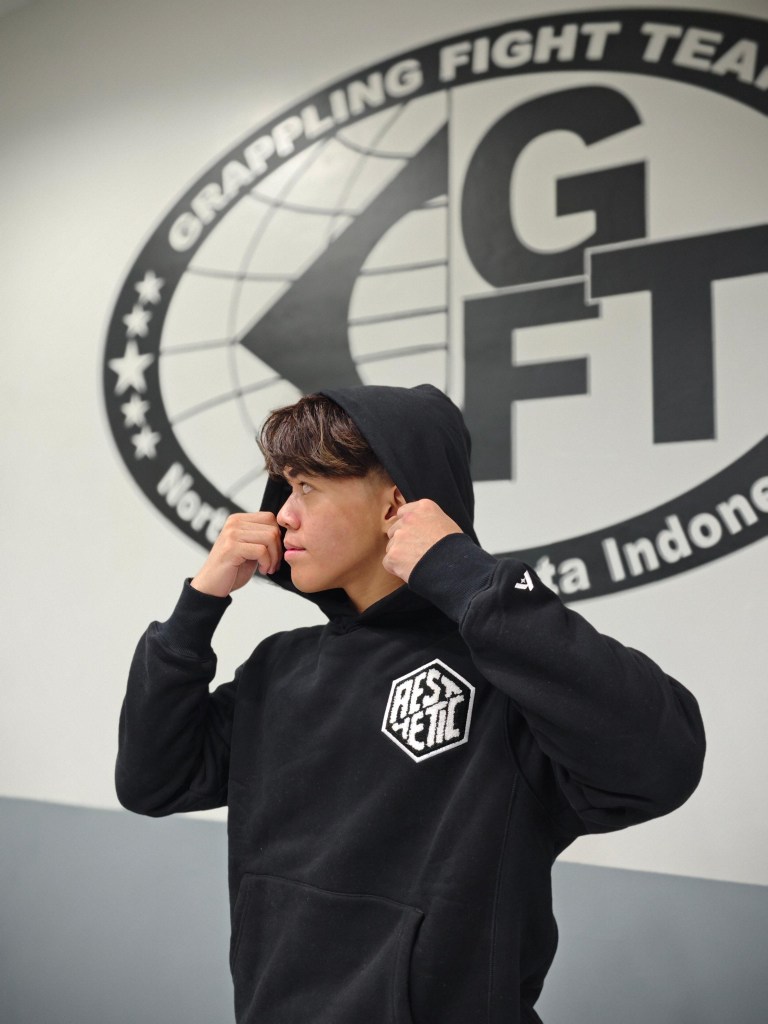
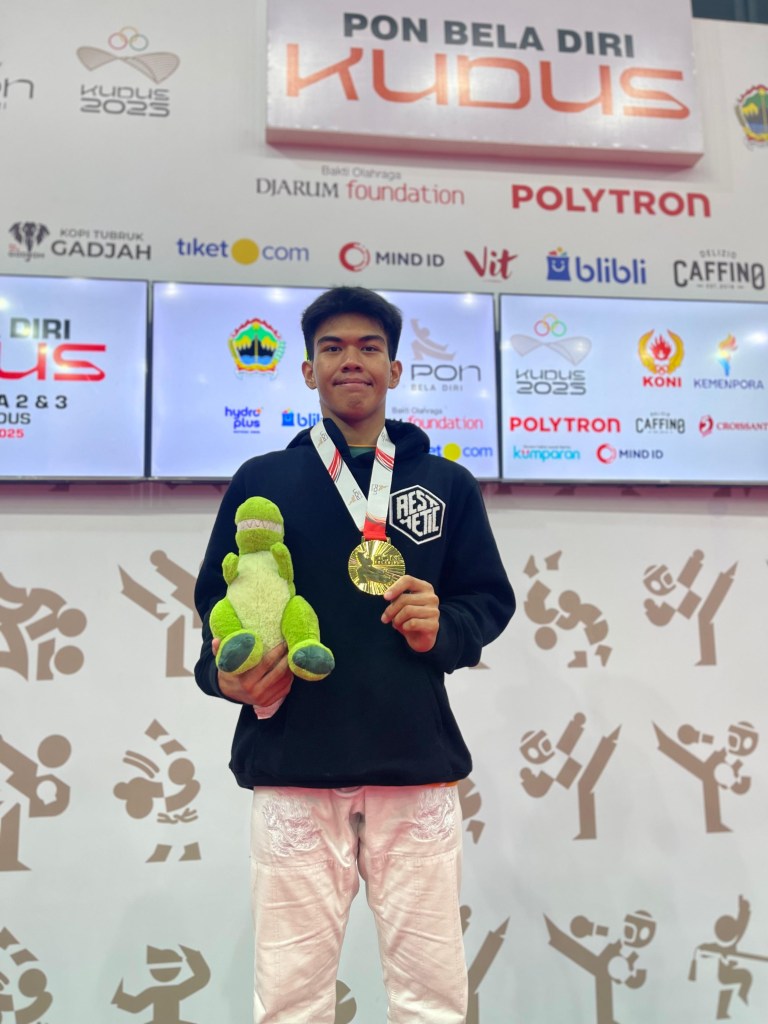
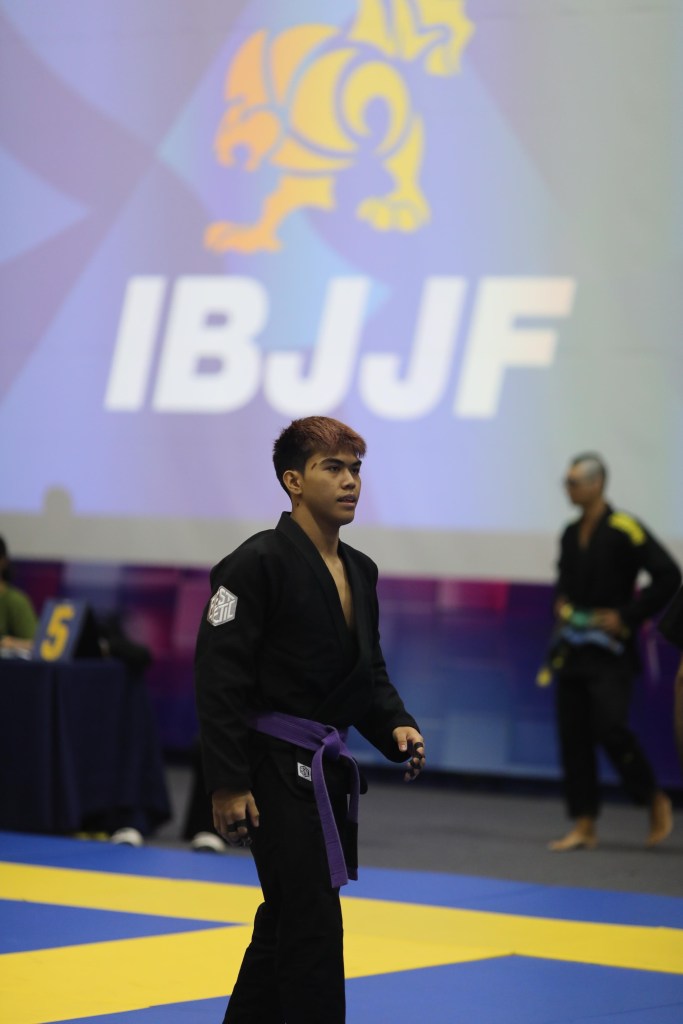
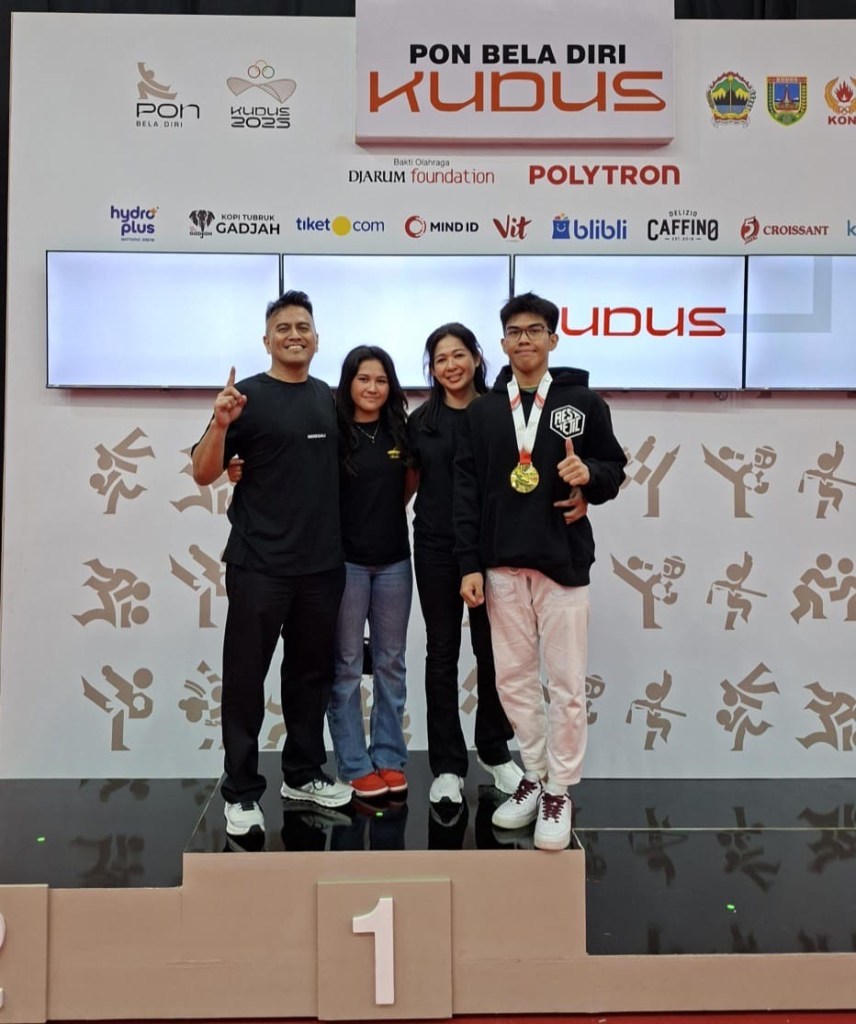
At just 18 years old, Michael Nathanael is one of Indonesia’s most promising young grapplers. A purple belt representing GFTeam Northern BJJ Jakarta, Michael started training as a child under the guidance of his father who also happens to be his professor. In this interview, he shares how he began his journey, his thoughts on Indonesia’s growing Jiu-Jitsu scene, and his dreams of competing on the world stage.
Q1. Can you kindly introduce yourself?
I’m Michael Nathanael, 18 years old, and a Purple Belt from GFTeam Northern BJJ Jakarta.
Q2. How did you start training in BJJ?
I started when I was 9 years old, after playing with my dad on the mats we had at home. Over time, the movements piqued my interest.
Q3. What drew you to the gentle art?
I saw my dad leaving the house after dinner and coming back around 9 or 9:30 all sweaty. As a kid who loved sports and physical activities, I was curious and asked what he had been doing. That’s when he told me about the sport.
Q4. What is the Jiu-Jitsu scene in Indonesia like?
It’s getting better. With the rising popularity of the sport, more and more people are starting to take it seriously.
Q5. What do you think it would take to accelerate the growth of BJJ in Indonesia?
More competitions and more proper academies.
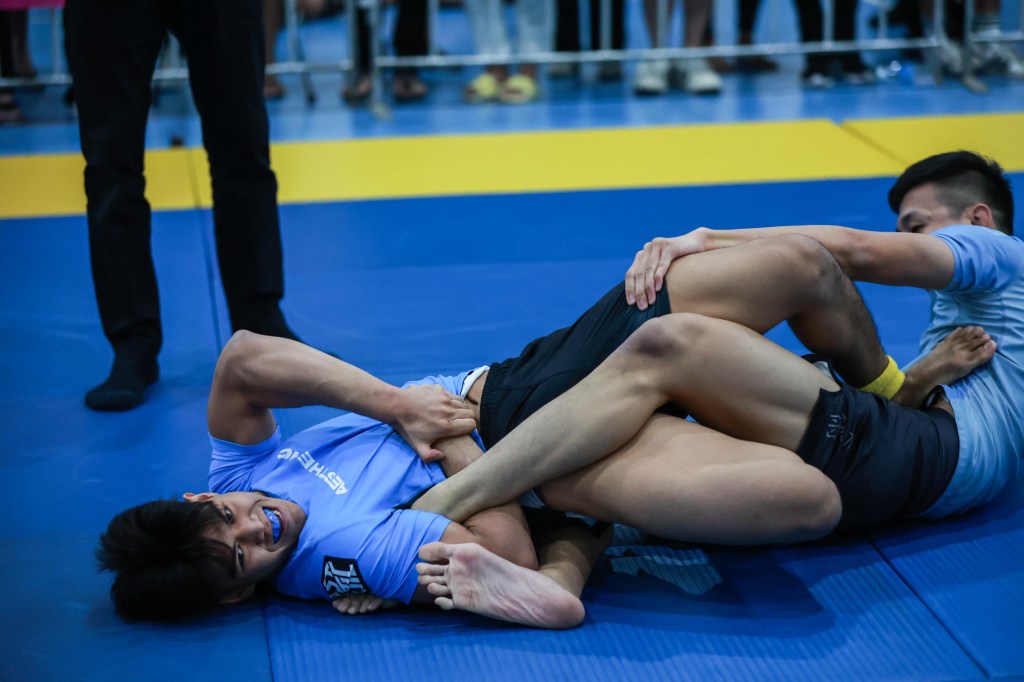
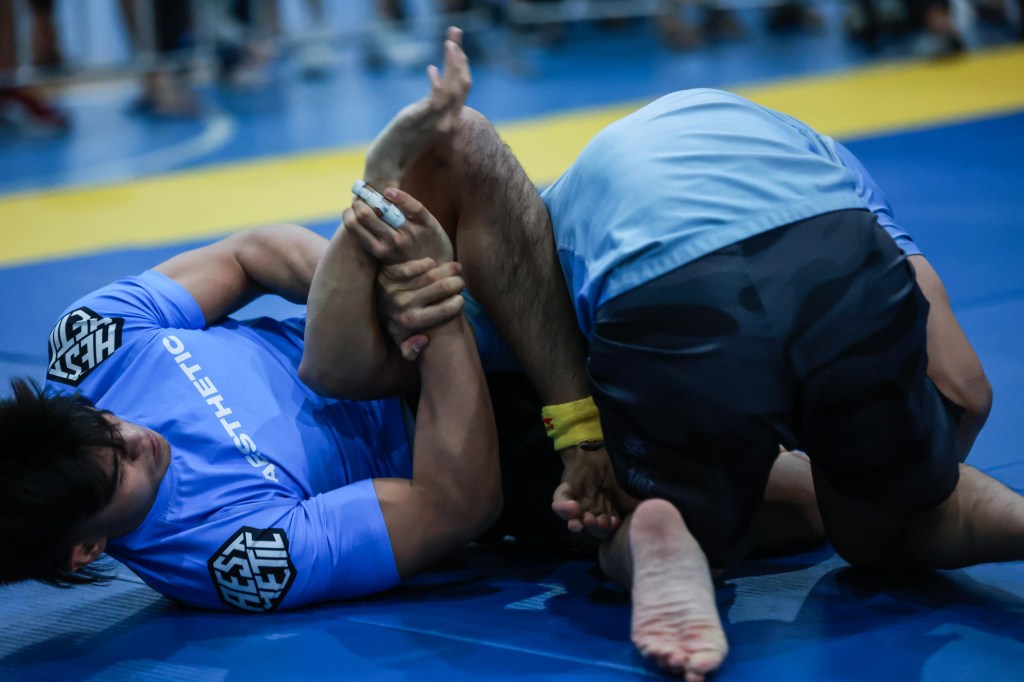
Q6. In terms of competing in Submission Grappling and Jiu-Jitsu, which ruleset do you favor the most?
I find both interesting and will definitely do more of both in the future. But for now, I prefer the IBJJF ruleset since I’ve competed more under it, as well as in some JJAU rulesets.
Q7. How do you find the training environment in Indonesia compared to other regions in Asia?
Some gyms are comparable to the standard in other regions, but overall, we’re still behind other countries — even within Southeast Asia.
Q8. What is the most influential or biggest achievement in your career so far?
My BJJ career is still in its early stage, so everything is still new to me. But I feel happiest and proudest when people acknowledge and recognize my Jiu-Jitsu.
Q9. Do you have a personal preference between Gi or No-Gi?
I compete in both, but I train more in the Gi.
Q10. How would you evaluate the current trends in Jiu-Jitsu? What do you think of the future of Jiu-Jitsu in Indonesia?
With more young people starting to train in BJJ here in Indonesia, I believe that in the near future, our level of Jiu-Jitsu will grow exponentially.
Q11. Which country do you think is the fastest-growing in terms of grappling in Asia right now?
In Southeast Asia, Thailand for sure — followed by Singapore, Malaysia, the Philippines, and then Indonesia. In Asia overall, Japan, Korea, and China are the leading countries.
Q12. What is a typical training schedule for you? Weekly, daily?
I train every day.
Q13. How do you approach your training?
There are several stages in my training set by my professor: general stages, specific preparation, pre-competition, and tapering.
Q14. In your experience competing so far, if you could identify something you want to improve on, what would it be?
I want to be able to compete the way I train — to stay calm under pressure so I can perform the way I would like to.
Q15. Who do you draw inspiration from in terms of coaches and competitors?
From day one, I’ve been inspired by my parents. They’ve worked countless hours to help make my dreams a reality — from supporting my competitions to getting me the best training equipment.
As for Jiu-Jitsu, I’ve always taken inspiration from Mendes brothers and their “new-school” style of Jiu-Jitsu. They were my first introduction to this kind of game, and I’ve always admired their techniques.
Q16. What are your future plans?
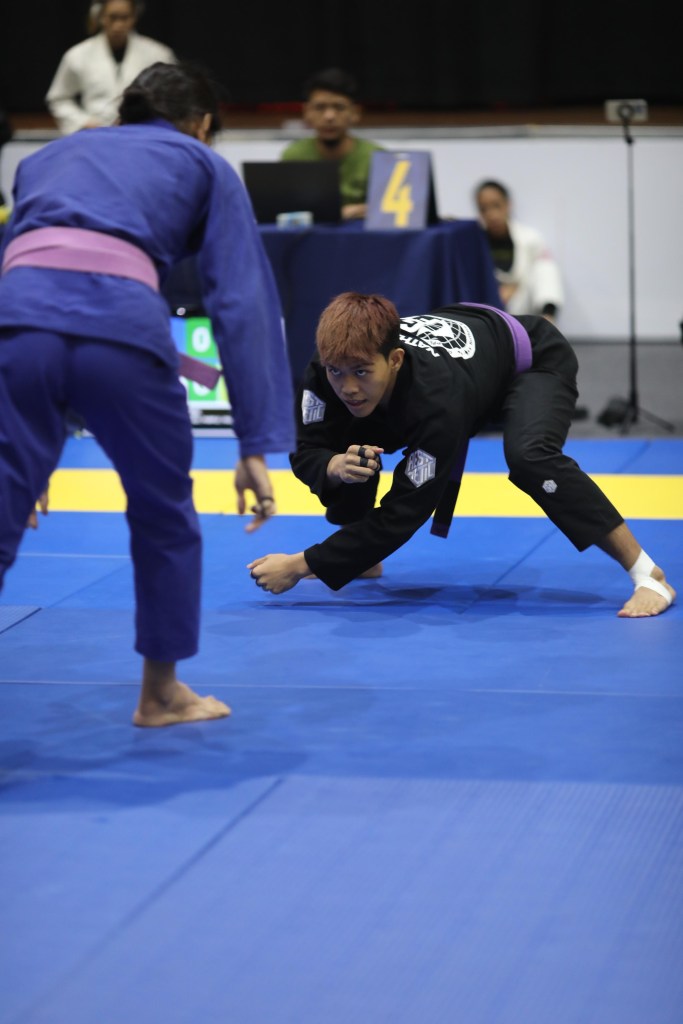
I dream of competing on the biggest stage — the IBJJF World Championships as a black belt — and winning the title.
Q17. Lastly, who would you like to thank?
My dad, who is also my professor, my mom, and my sister.
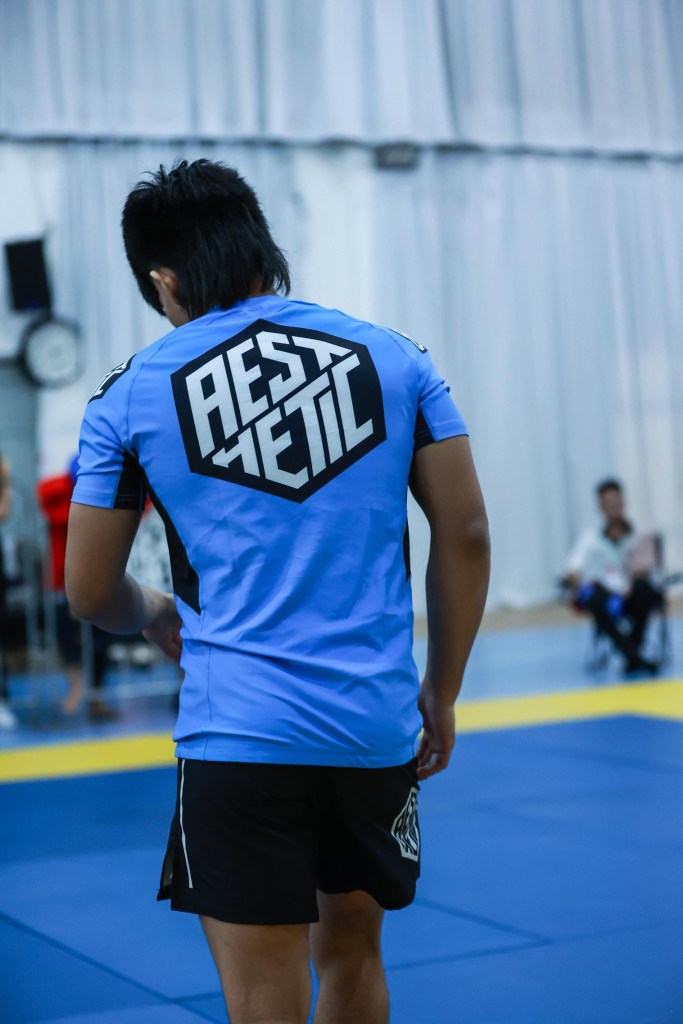
Fight Aesthetic Asia, my sponsor. All my family at GFTeam Northern BJJ, all my coaches, and thank you to Grapple Asia for the opportunity.
You can follow Michael Nathanael here for more updates on his training and competitions.
 Grapple Asia