“Run the gyms like it’s a business.” — James Jayme, black belt under Cobrinha and founder of Manila Kimonos.
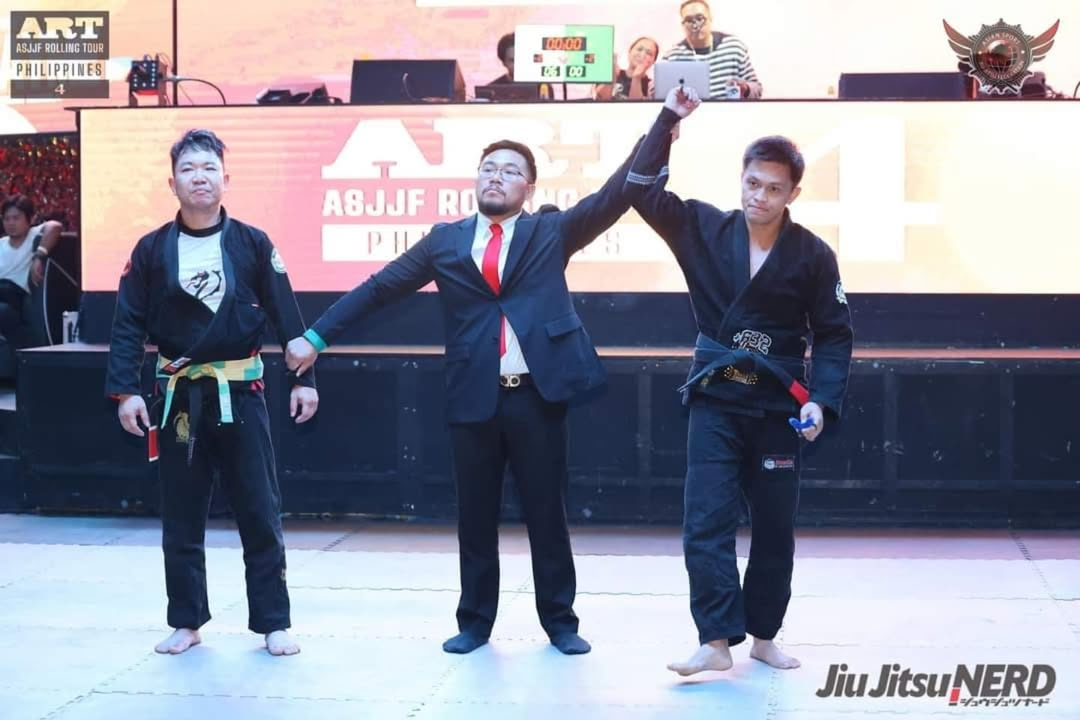
From childhood chessboards to earning his black belt under Cobrinha, James Jayme has lived Jiu Jitsu as both a student and teacher. In this interview, he talks about his path on the mats, building Manila Kimonos, and what it will take to grow the sport in the Philippines.
Q: Can you kindly introduce yourself?
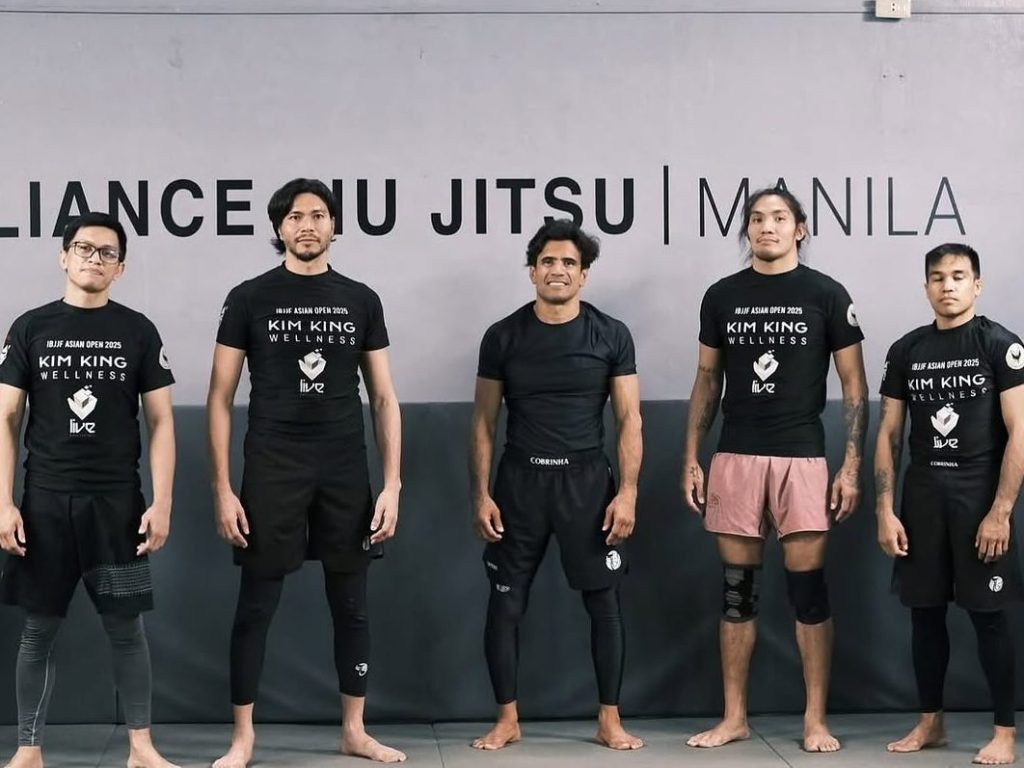
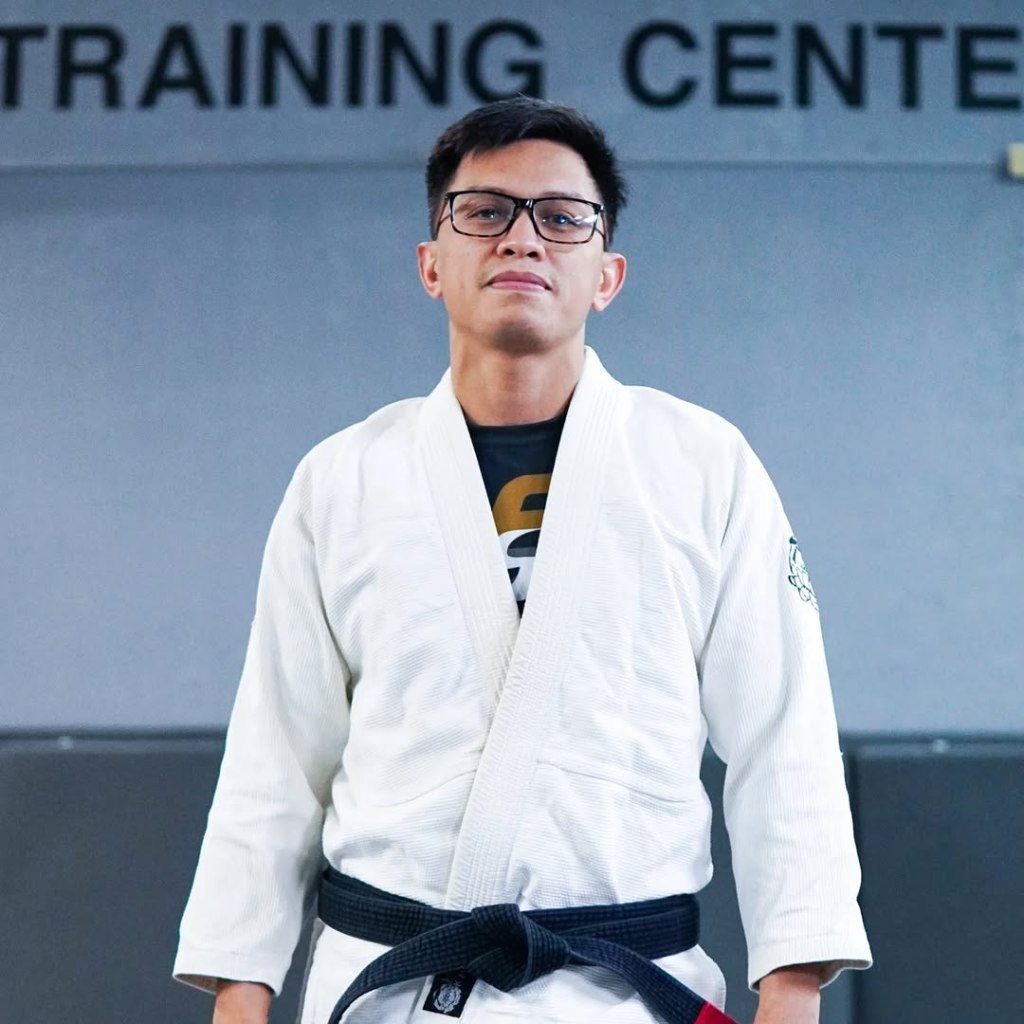
I’m James. I’m a black belt under professors Cobrinha and Mark Entrata. I teach at Alliance Jiu Jitsu Manila by Cobrinha (formerly Cobrinha Manila). I don’t do this full-time. I have a day job, but I still try to teach/compete here and there.
Q: How and why did you start training in BJJ?
I’ve wanted to learn BJJ since I was in high school, around 2004 maybe? I was one of those weird kids who found basketball, football, and swimming to be boring if I wasn’t the one playing it? I watched Pride, UFC, and boxing.
I’ve heard of the team near our school, I think it was either New Breed or Manimal? Fortunately, I didn’t go lol! They would’ve ripped a high school kid apart those days.
I started BJJ in 2010, but I did a bit of judo in college around 2008. I ended up with New Breed in 2010.
Q: What drew you to the gentle art?
I used to play a lot of chess as a child from 8 until high school, and BJJ is very similar to it. It’s fun to analyze scenarios.
Q: You are now part of Cobrinha Jiu-Jitsu Association, how did that connection come about?
Professor Cobrinha did a seminar with us in 2016. Then, when we left 90/Eight BJJ in 2018, magic happened, and Professor Cobrinha took us in. My instructor was nervous since there was a really slim chance that we’d get accepted, since he was only a brown belt then. Other affiliations wanted to take us in, but we went for Professor Cobrinha’s.

Q: When and how did you get your Black Belt?
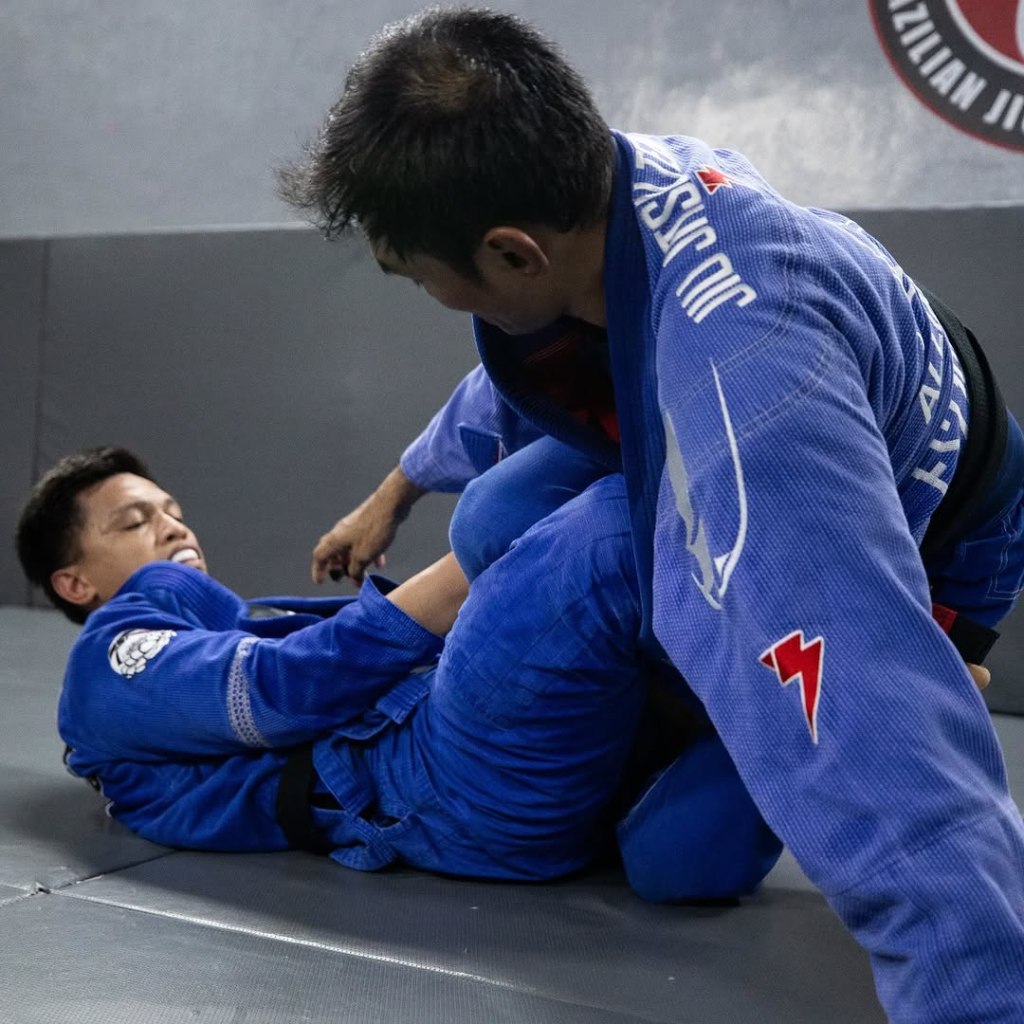
Received my black belt from Professors Cobrinha and Mark Entrata in 2024. The belt itself didn’t feel different. But I was really happy that I closed all the belts with my original instructor present.
Q: What is the Jiu Jitsu scene in Manila like?
It has matured a lot over the years, but it still looks chaotic.
Q: What do you think it would take to accelerate the growth of BJJ in the Philippines?
Might be a hot take, but run the gyms like it’s a business.
Let’s make professionalism, safe spaces, good character among coaches, ample parking, showers, and cleanliness the standard in every gym.
Competition-wise, we should focus on bringing in high-level competitors who are performing well in major US tournaments to help build the scene in the Philippines. We can also learn a great deal from those who have successfully built teams with strong showings in major ADCC and IBJJF events.
We should also have a really good kids’ program.
Q: In terms of competing Submission Grappling and Jiu Jitsu, what rules set do you favor the most?
IBJJF still makes the most sense.
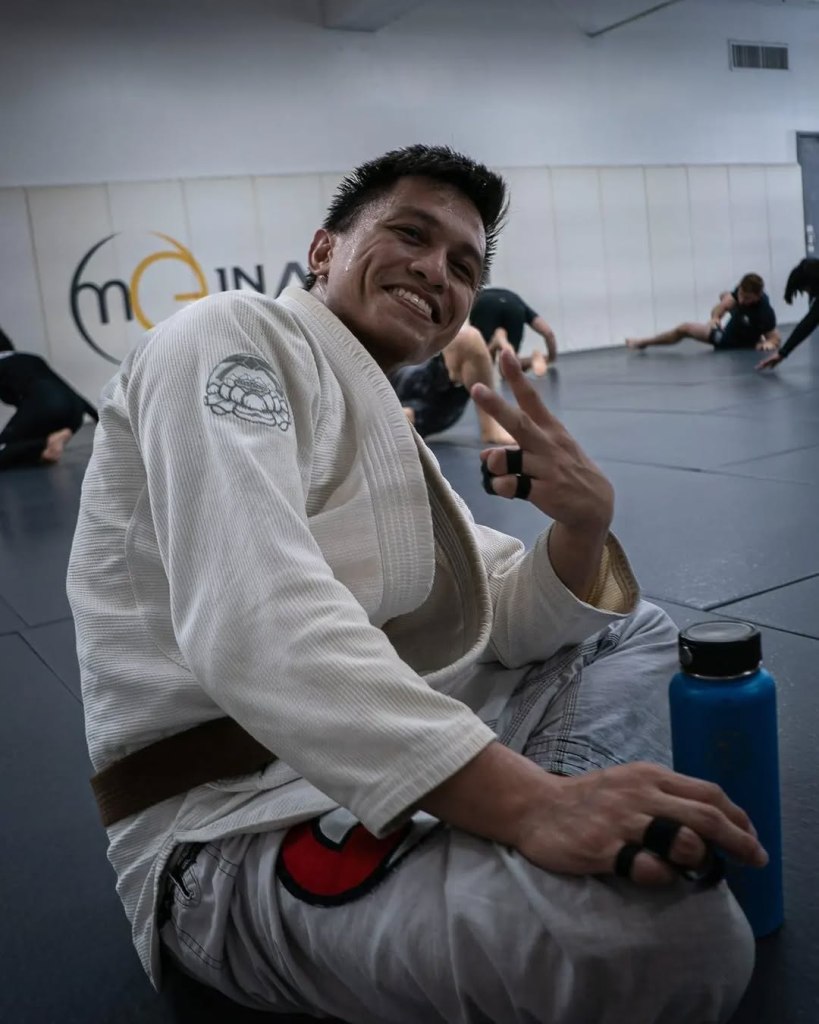
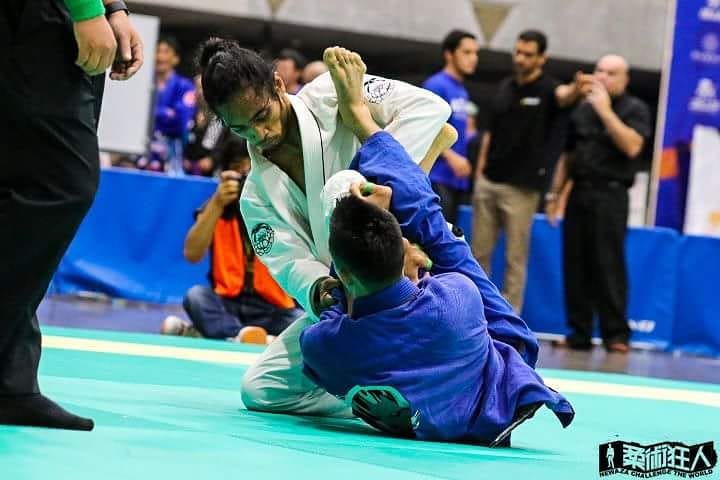
Q: You seem to be an active competitor, what do subject yourself to it? Hehe
I don’t do it as much anymore.
But I guess it gives me a bit of that adrenaline rush. Plus, I don’t want to push students to compete if I haven’t done it myself.
Q: How do you find the training environment in Asia compared to other regions in the world?
I think one of the things I took for granted was that there are a lot of guys my size in our gym. When I trained in NYC at Marcelo’s, the median size was bigger. You have to scout someone your size while you’re doing the warm-up up haha.
Q: Correct me if I am wrong, but you own a Brand called Manila Kimonos how did that start?
Yes! Started in 2012. I was doing a lot of freelance work back then, and I also wanted to train/compete regularly. Manila Kimonos really helped me financially, especially during my blue belt years. At one point, I competed 13 times in one year and having Manila Kimonos really helped me stay on the mats.
I know it’s more of a hobby than a business now, but hopefully, I’ll have the time to have new designs.
Q: What is the most influential or biggest achievement in your career so far?
I honestly don’t think I’ve done anything influential in BJJ. Never really won a tournament that matters. Never came up with a concept that changed the direction of BJJ as a whole. And it’s ok, I guess. End of the day, BJJ is not as important compared to what my IG feed tells me.
Q: You seem to focus a little more on Gi rather than No-gi? Is there a reason why?
Gi just happened to be more popular in the Philippines and in Asia in general. I mean, the biggest tournament in Asia (the IBJJF Asian Open) is a gi tournament.
Q: How would you evaluate the current trends in Jiu Jitsu? What do you think of the future of Jiu Jitsu in the Philippines?
Compared to previous years, Jiu-Jitsu is now showing real potential to become someone’s main source of income. The growing number of casual practitioners has helped the sport gain more popularity and visibility.
For competitors, the United States remains the best place for exposure to high-level competition. Visa challenges may be an obstacle, but ultimately, that’s the path you’ll need to take.
Here in the Philippines, ASJJF has been one of the key organizations driving the growth of the local BJJ scene, bringing in top talents from Japan, Korea, Guam, and China.
In my view, Professor Edison Kagohara has played a crucial role in this development through ASJJF tournaments and ART Philippines, which have given us the chance to compete against some of the best athletes in the Asian circuit and beyond.
Q: Which country do you think is the fastest growing in terms of grappling in Asia right now?
Asia is kinda big and I don’t follow the latest in most Asian countries, but I’ve been impressed with South Korea and Japan’s BJJ scenes.
I also love watching guys from Central Asia. I think that part of the world has some hidden gems.
Q: How do you approach your coaching?
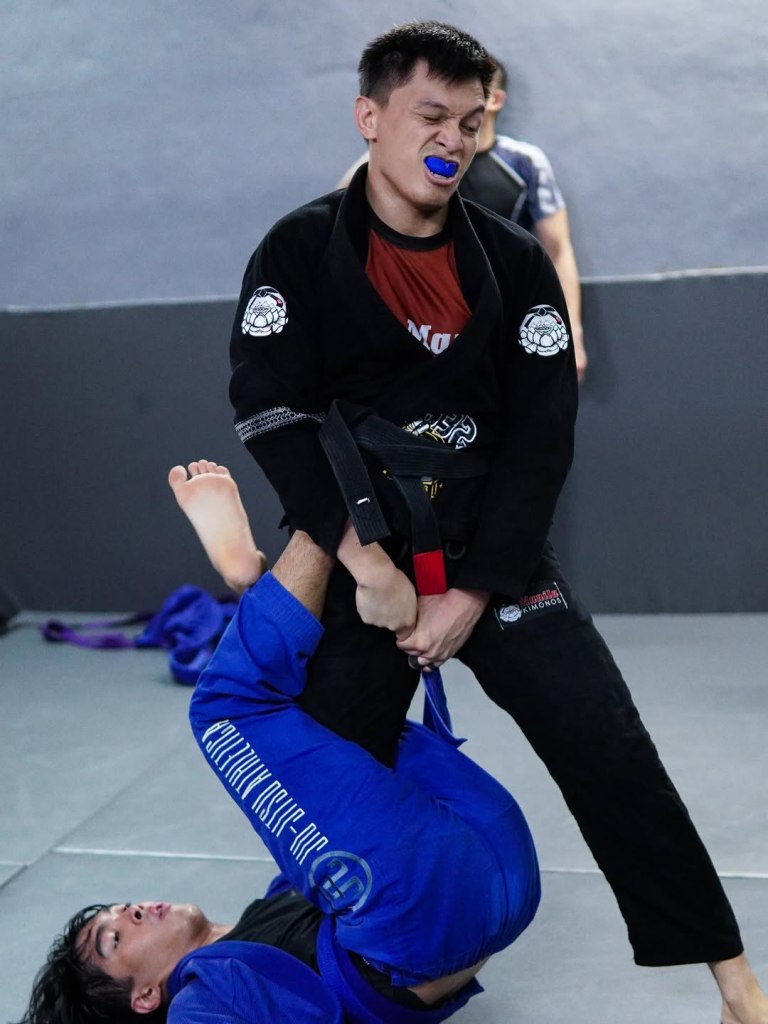
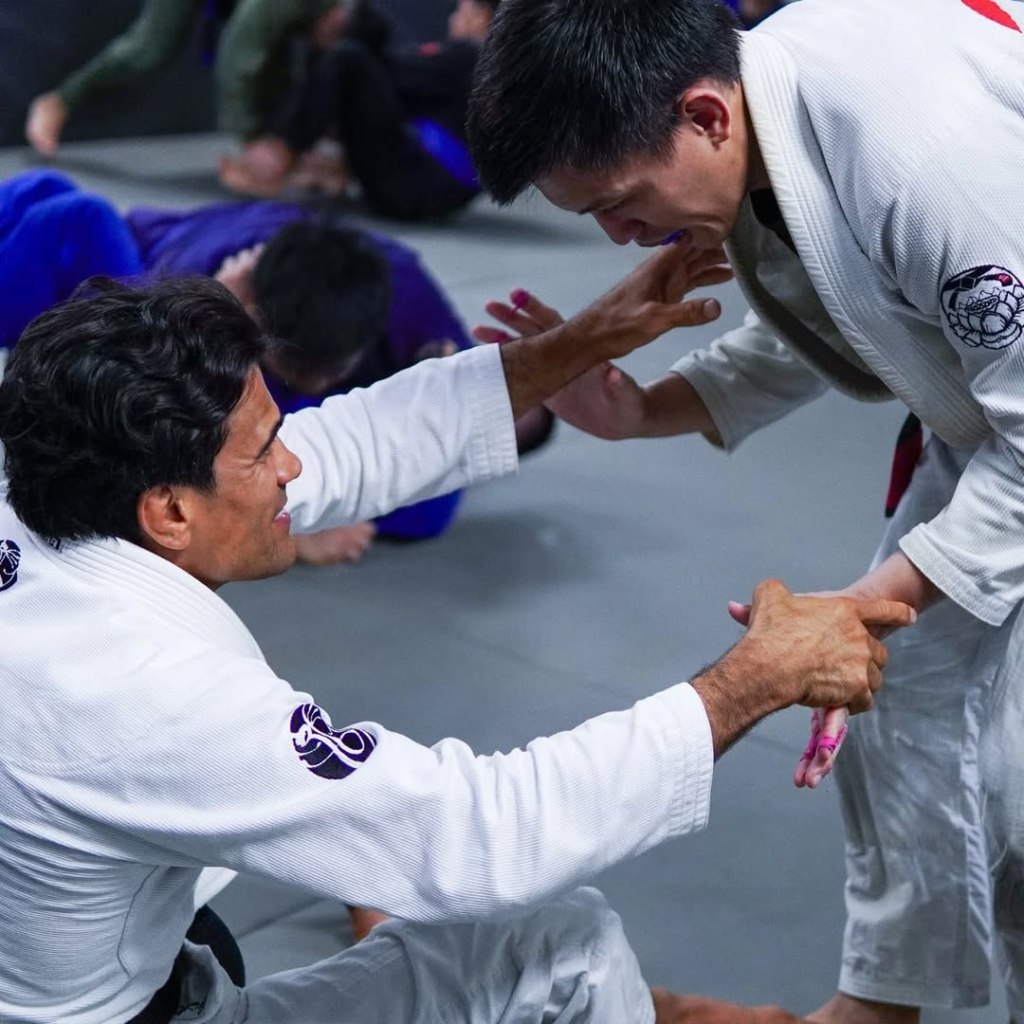
Every student is different. So I really like concepts when it comes to teaching. As much as possible, I want students to adapt these concepts and turn them into their own.
Q: Who do you draw inspiration from in terms of coaches and competitors?
Coaching, I like how Andris Brunovskis teach. Joined his camp in 2015, and a lot of things that he taught during the camp, I still use to this day.
Active competitor, I like watching Pato both in gi and nogi.
Q: What are your future plans?
Doing Europeans has been on my bucket list for a while now. I’ve never been to Lisbon.
Lately, I’m actually contemplating the idea of giving myself a few unnecessary headaches and maybe starting a school. Something I can run according to how I see jiujitsu. Nothing concrete yet, but it’s definitely something I see in the pipeline a few years down the road.
Q: Lastly, who would you like to thank?
I’d like to thank everyone who helped me stay on the mats all these years, from instructors to teammates, and those who supported Manila Kimonos.
 Grapple Asia