From Combat Medic to Grappling Coach: The Story of Nicholas Ooi | Singaporean Grappler
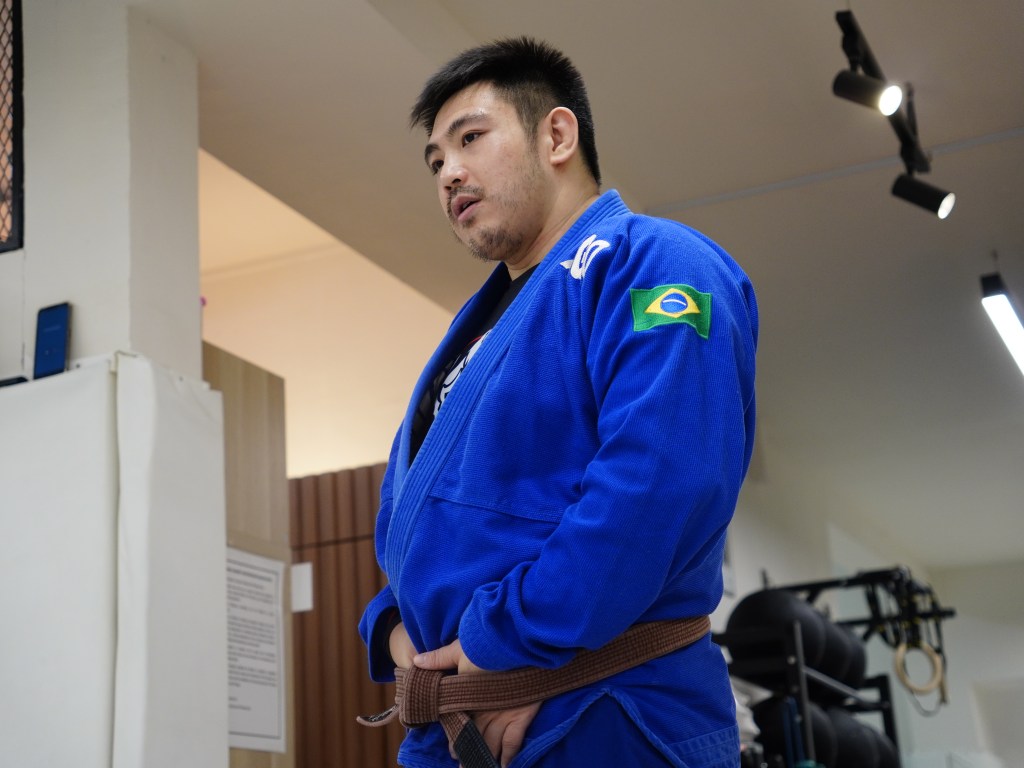
In this Grapple Asia feature, we sit down with Singaporean grappler Nicholas Ooi, a lifelong competitor who has tested himself across BJJ, wrestling, judo, sambo, and submission grappling. From his early days chasing self-defense to becoming a full-time coach, Nicholas shares raw insights on the state of Jiu-Jitsu in Singapore, the struggles of making a career in the sport, and his vision for the future of Southeast Asian grappling.
Grapple Asia: Can you kindly introduce yourself?
Nicholas Ooi: Hey, I’m Nicholas Ooi, 31 years old this year I’ve been a conscript combat medic (with no real world experience, thank god), I was an EMT for 5 years, and most recently I’ve been a full time Jiu-Jitsu coach for 4 years.
Grapple Asia: You seem to have an extensive background in alot of grappling arts. Which was the first sport you tried and how do they all differ in your opinion?
Nicholas Ooi: I first started BJJ in late 2010, since then I’ve competed in BJJ, Wrestling, UWW grappling (gi and nogi), Sports Sambo, Judo, and Greco Roman Wrestling in that order.
Grapple Asia: How and why did you start training in BJJ?
Nicholas Ooi: I think deep down I was always scared to be bullied and when I first started BJJ in late 2010 I wanted to learn how to fight. I believe it was still Anderson Silva’s era and the best highlights were of strikers knocking people out (Cro Cop and friends), so naturally I started with Muay Thai. As I got deeper into the YouTube dive, I learned that the Gracie family developed the modern ground game and that BJJ was essential and took longer to be good at.
Grapple Asia: What drew you to the gentle art?
Nicholas Ooi: I quickly realized that you could ‘survive’ in a roll with someone you had no business being in a real fight with and that JJ is a “super power” as Joe Rogan puts it. I did my first Nogi class within 3 months of starting JJ and I’ve never looked back.
Grapple Asia: Which Team or Association are you with, how did that connection come about?
Nicholas Ooi: I’m currently at Singapore Submission Grappling (SG2) led by David Ooi and Chance Wanlass.
This is actually an interesting look at how either ‘god provides’ or fate happens, In 2024 I quit my previous full time job at Gracie Barra Singapore to train for ADCC Asian trials and when my dad died on my way back to the hotel after weighing in I had to miss the competition and fly back to Singapore to handle affairs. Luckily I was jobless which gave me the time and ability to handle the whole probate process. But as my previous role had been immediately filled I was then still jobless, luckily I managed to cover classes at multiple gyms to survive.
Towards the end of running errands and about the time I had to look towards full time employment I think David (SG2) reached out to me to assist a week long summer kids camp and I’ve never left in terms of training. During this period my main employer Argo was in between coaches and through a god send recommendation I have been with them since August 2024.
Grapple Asia: When and how did you get your Black Belt?
Nicholas Ooi: Fortunately, I’m still a brown belt under my training partner David Ooi which gives me the runway to actually podium before the ocean that is the black belt division. I’m going to milk this fortuitous not black belt status for as long as I can and luckily I’m now eligible for the Masters division, I’m doing no less than 2 IBJJF Asian opens at this rank and age bracket.
Grapple Asia: What is the Jiu Jitsu scene in Singapore like?
Nicholas Ooi: We’ve come a long way since I started where we’d have to go to Philippines and Japan (a little later Bangkok) to compete to nowadays having a tournament every three months at least. I’d say in Southeast Asia, thanks to a lack of a good judo base our athletes are very ‘technical’ as compared to our much more physical neighbours. Despite sports being far removed from the minds of locals, we’ve had a few Masters worlds champions and a few lower belts/juveniles on major podiums across all organizations.
Grapple Asia: What do you think it would take to accelerate the growth of BJJ in the Singapore?
Nicholas Ooi: It’s a systemic problem. We don’t value sports enough. We would need to invest in all sports like our ASEAN neighbours and make sportspeople professionals or part of the uniformed services (I think Thailand and Philippines have a lot of athletes under military payrole).
Therefore unless an obsessed rich kid devotes all their time into JJ, we’re not seeing an adult black belt/pro champion. I may be mistaken about circumstance, but I think Coco Izzy is a prime case example of what a Singaporean adult blackbelt/pro could look like if they dared.
Noah and Paul Lim for example are black belt prospects that probably will never achieve their full potential as they will likely put JJ second to their respective careers.
But as our overall technical level of JJ increases, I’m optimistic in seeing more Adult division podiums showcasing Singaporeans.
Grapple Asia: In terms of competing Submission Grappling and Jiu Jitsu, what rules set do you favor the most?
Nicholas Ooi: I fell in love with the ADCC rule set when I first competed in the 2012 Asian Pacific Championship that was held in Manila (where TUF alum Andy Wang won his world championship ticket). Eventhough I competed in the Beginer bracket, that was my first nogi completion and I’ve love the ruleset ever since. Unlike other rule sets it’s very hard to score positive points and it is isn’t as punishing as say Judo or Sambo (with ippon wins being possible).
Grapple Asia: You seem to be an active competitor, why do subject yourself to it?
Nicholas Ooi: It’s my reason for living. When I was in a bad place in life in 2018 I asked myself what’s my greatest ‘what if’ and the answer was what if I trained and competed. I realized that training was the goal and competing was just an expression and milestone of your progress. As much as competing is its own skill set and competition results don’t mean anything, they are a fantastic check to your progress. Though I haven’t overcome the fear of losing in JJ and have conveniently given the excuse that it’s prohibitively expensive in Singapore (it works out to S$80 ($60 USD) for one match at higher rank/weight as its mostly 2/3 man brackets).
Grapple Asia: How do you find the training environment in Asia compared to other regions in the world?
Nicholas Ooi: I can’t comment on all of Asia, I’ve only trained a few sessions total in Nagoya and Bangkok respectively outside of Singapore. But my take is that, I believe most gyms are small and when accounting for the massive attrition of students that quit JJ, there’s no opportunity to have massive ‘depth’ of training like you see in Brazil or the United States where there are easily 50 people (more than 30 regulars) at any training slot. You may be an exception and succeed at the highest level in-spite of your training room but an average Joe cannot beat the results and input from training at an Atos HQ/AoJ/Melqui Galvao’s room.
Grapple Asia: Correct me if I am wrong, but you seem to coach at multiple gyms in Singapore. Is there a reason why?
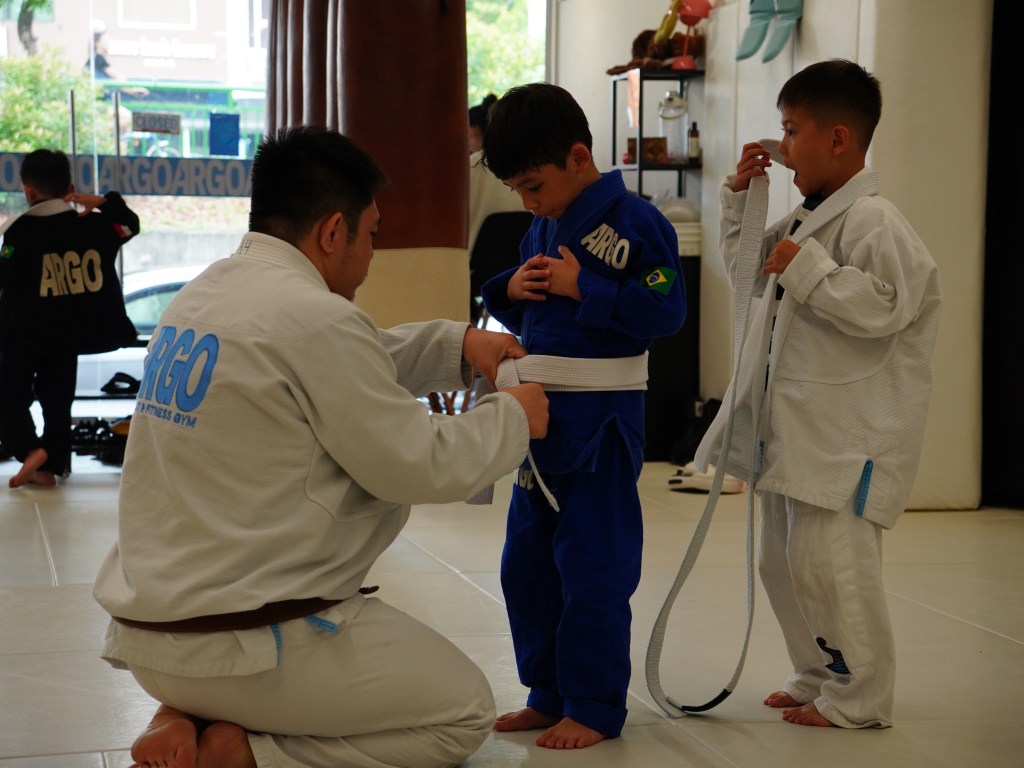
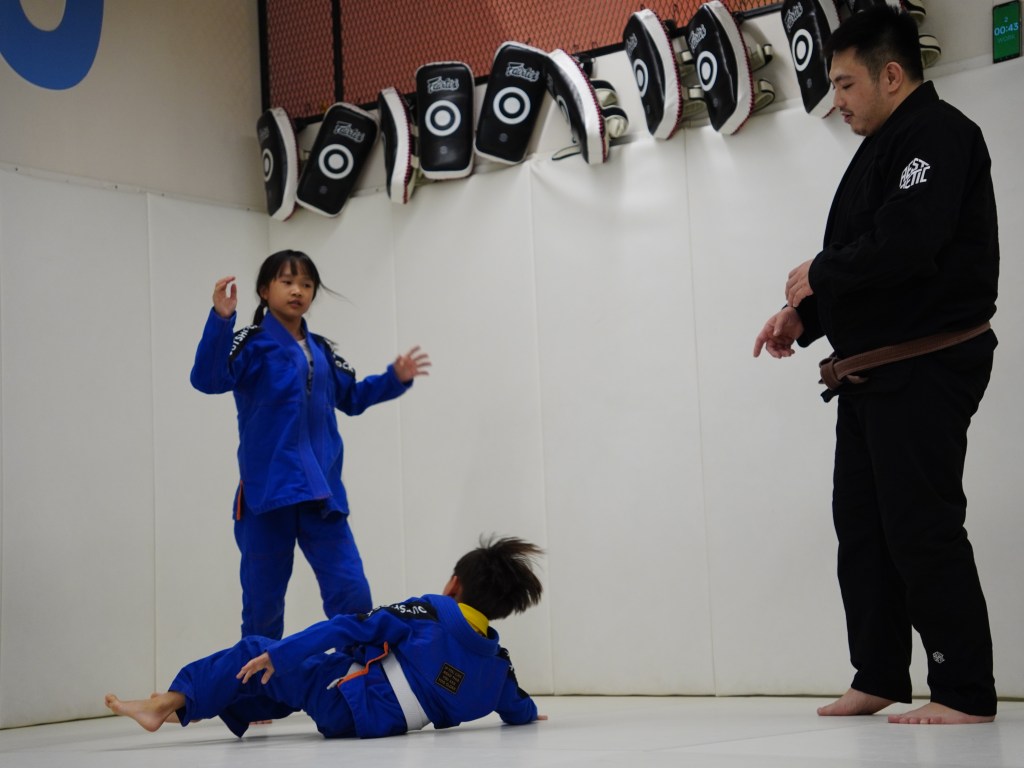
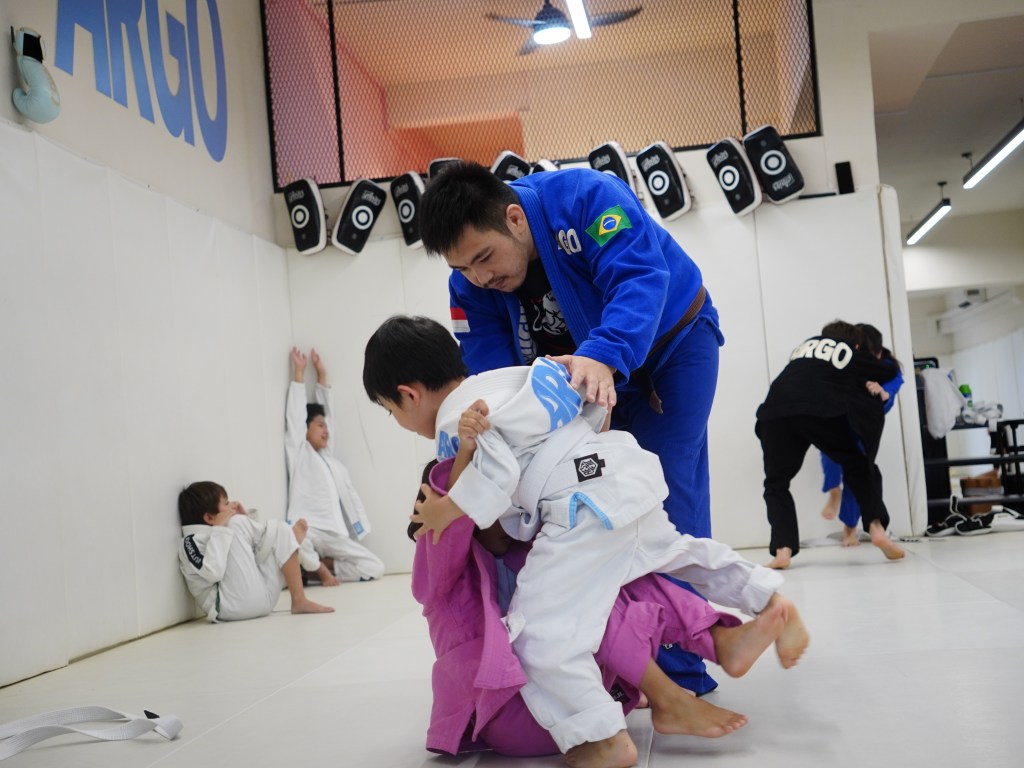
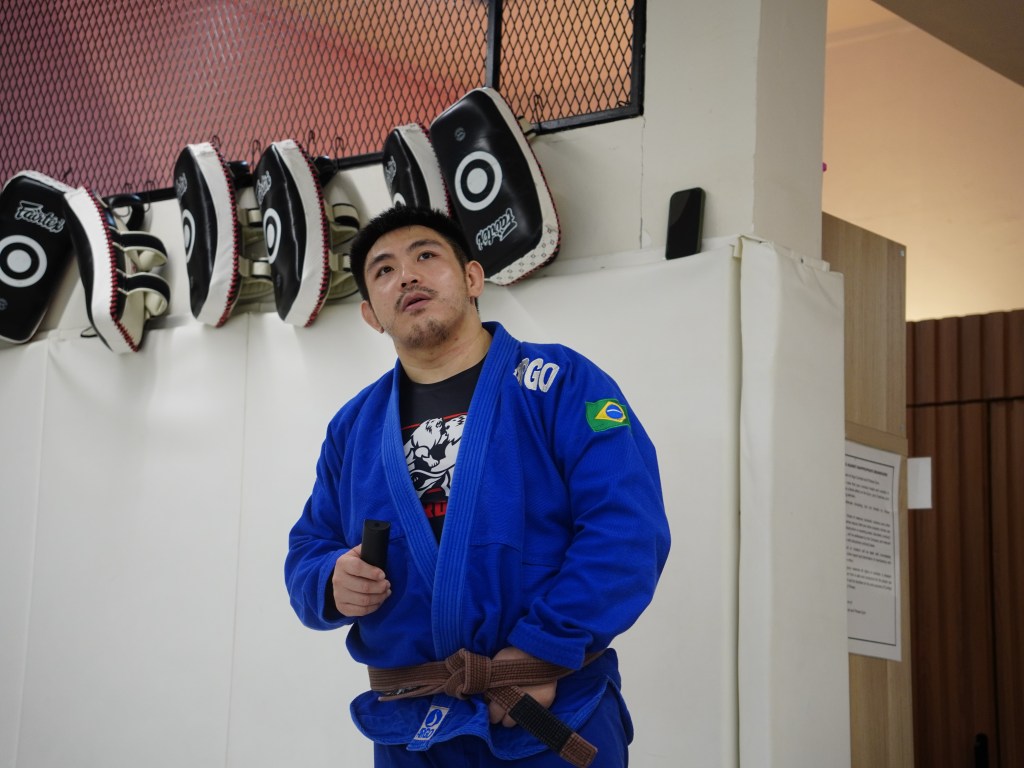
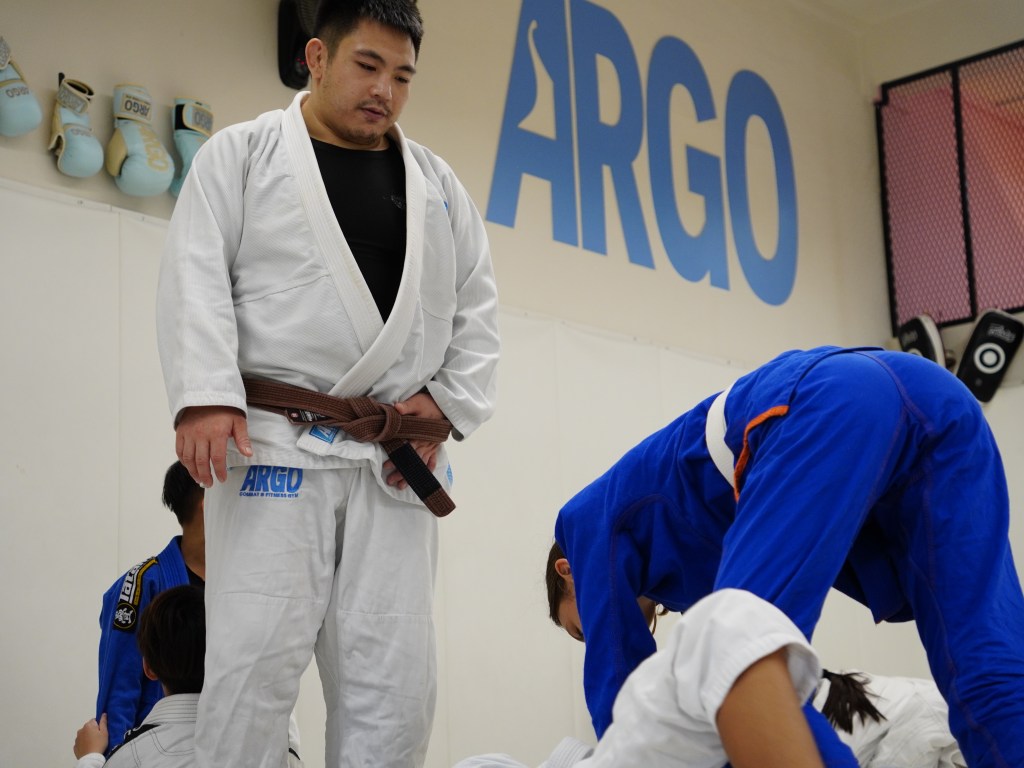
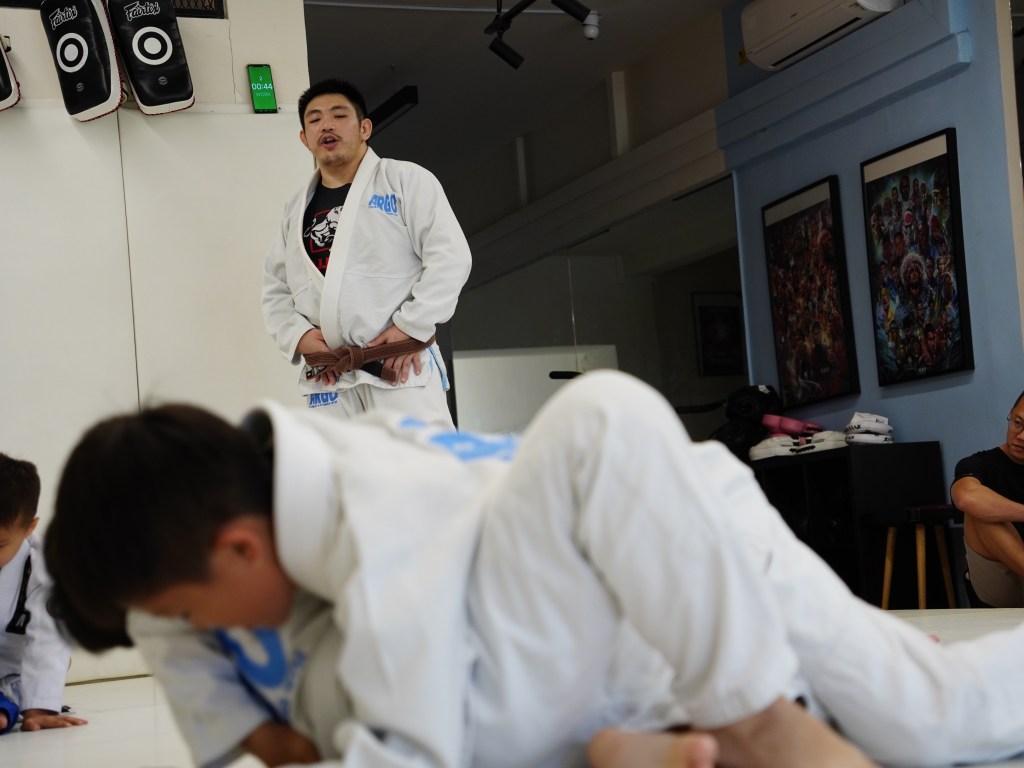
Nicholas Ooi: I’m currently the main coach at ARGO Combat and Fitness. I also coach at Tap Jiu Jitsu Singapore, and Homeground MMA on different days in the morning. I was actually in the midst of being a “filthy casual” and work a desk job having quit my previous full time instructor position. But right now I’m technically a freelancer and it’s just what fell into place when I had to take care of my mom after my dad died.
In terms of specifically morning/lunch JJ instructor shortage in Singapore, I think that there’s two main reasons other than JJ people generally being ‘Night Owls’: firstly, in Singapore it’s very hard to find reliable morning coaches as local schools start early (if you’ve got kids to send to school, you’re unlikely to be able to teach a class before work) and most full time instructors hired by JJ schools have to teach the main classes in the evening less they work from 7am-9pm.
Also, there are very few guys in Singapore that do Jiu-jitsu full time as it’s not seen as the traditional 8am-5pm white collar job thats prestigious and provides security.
All this being said, there is an interesting shift post COVID-19 and we’re seeing many small MMA gyms opening up, I think it will be increasingly normal to see coaches at multiple spots moving forward.
Grapple Asia: What is the most influential or biggest achievement in your career so far?
Nicholas Ooi: As a competitor I’ve been extremely mediocre through my life having more than 60% losses than wins. However, through happenstance I became Singapore’s 2025 97kg Freestyle Wrestling champion. It’s remarkable simply because nothing changed the next day. I don’t know how many times I’ve told students that nothing changes if you win or lose on the mats, your parents and loved ones will still love you, life simply goes on.
That being said I’m wholly unremarkable despite having done JJ full time in the last four years, I liken myself to any teacher that clocks in, hopefully I’ve made a difference in some kid’s life however small it may be.
Grapple Asia: Tell us about your lifting regimen, you seem to like kettlebell training. Is there a reason why?
Nicholas Ooi: I typically spend no more than 45mins on a session, I try to get in a hundred reps of either kettlebell swings or snatches and some pulling work three times a week and at least one or two sessions of low rep sandbag shouldering.
I used to have time and access to a barbell and bench and used to actually have a proper regimen (push, pull, squat, lunge, hinge, and carry routine), but since waking up at 5:30am for 7am morning classes I don’t get more than 7 hours of total sleep and I want to maximize input whilst staying injury free.
Kettlebells are the most bang for buck workout you can get. If you’ve got 15-30mins you can achieve gains. While nothing beats lifting heavy weights in any modality, kettlebells are the implement I have the most experience with and hence is the least likely for me to spaz out on.
Grapple Asia: How would you evaluate the current trends in Jiu Jitsu? What do you think of the future of Jiu Jitsu in the Singapore?
Nicholas Ooi: Thank god for Instagram pages that breakdown the current META and patterns the top guys are using it’s so helpful.
When I started JJ in 2010 people were still taught to pass guard on their knees, the Mendes brothers era saw toreando stand up passing as essential, cut to just before covid and Danaher leglocks saw people body lock passing, now with wrestlers making the transition to grappling, I think we may see closed guard and the traditional front facing triangles come back into play. It’s all cycles and fads, techniques (method/sequences/solutions) adapt and evolve but “style is eternal”. In this instance, “style” is ‘skill’ and “embodied grappling”, which are what will forever be essential, put Gordon Ryan, Roger Gracie, Marcelo Garcia, Mendes Brothers, Jean Jacques Machado and the like in any era and rule set and they’d quickly adapt and become dominant.
I look forward to JJ in Singapore, when I was coming up we saw an IBJJF Juvenile white belt world champion (before white belt world champions were called Amateur world champion). One of my then peers Tobbie went on to win several IBJJF Masters titles. I like to dream that we get an ADCC trials podium in the next 5 years and an adult black belt/pro major* podium in the next 5-10 years. *IBJJF/UAEJJF ‘continental’ champion perhaps. Probably, champion beyond ADCC trials/ these continental opens will never be in our reach as I’ve discussed above.
Grapple Asia: Which country do you think is the fastest growing in terms of grappling in Asia right now?
Nicholas Ooi: I’m looking at China and India to produce adult black belt/pro world champions in the next 15 years, their sheer amount of interest and talent is unbeatable. If I’d have to pick, it’d be China as they probably have more private funding for niche things like grappling.
Grapple Asia: How do you approach your coaching?
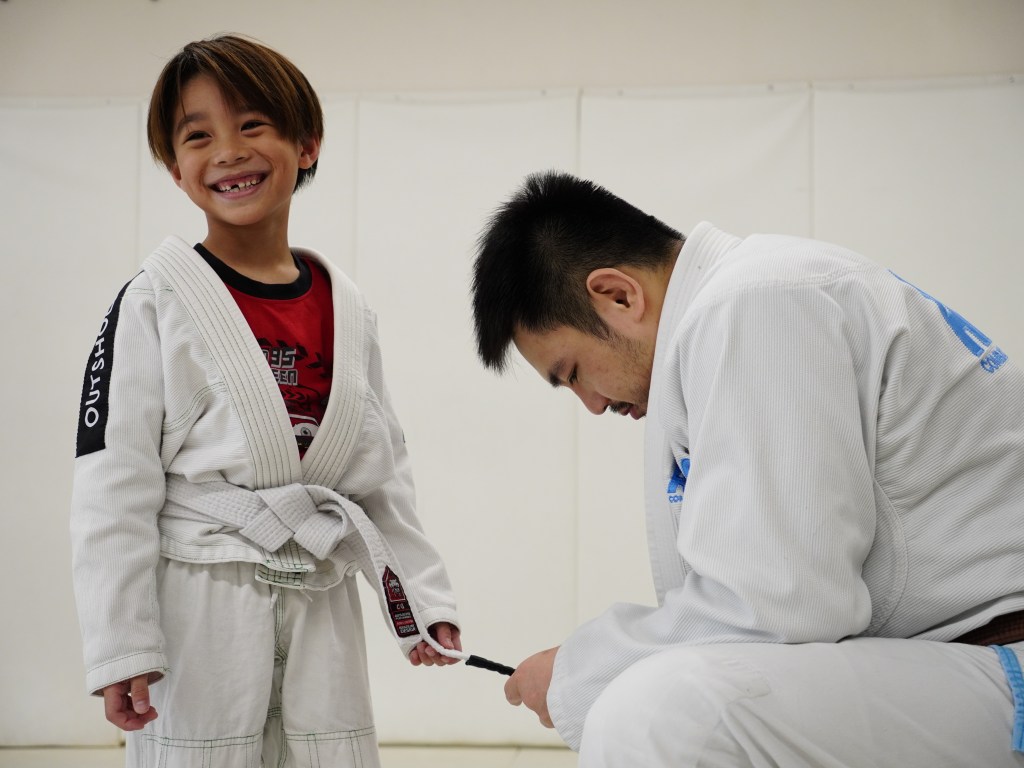
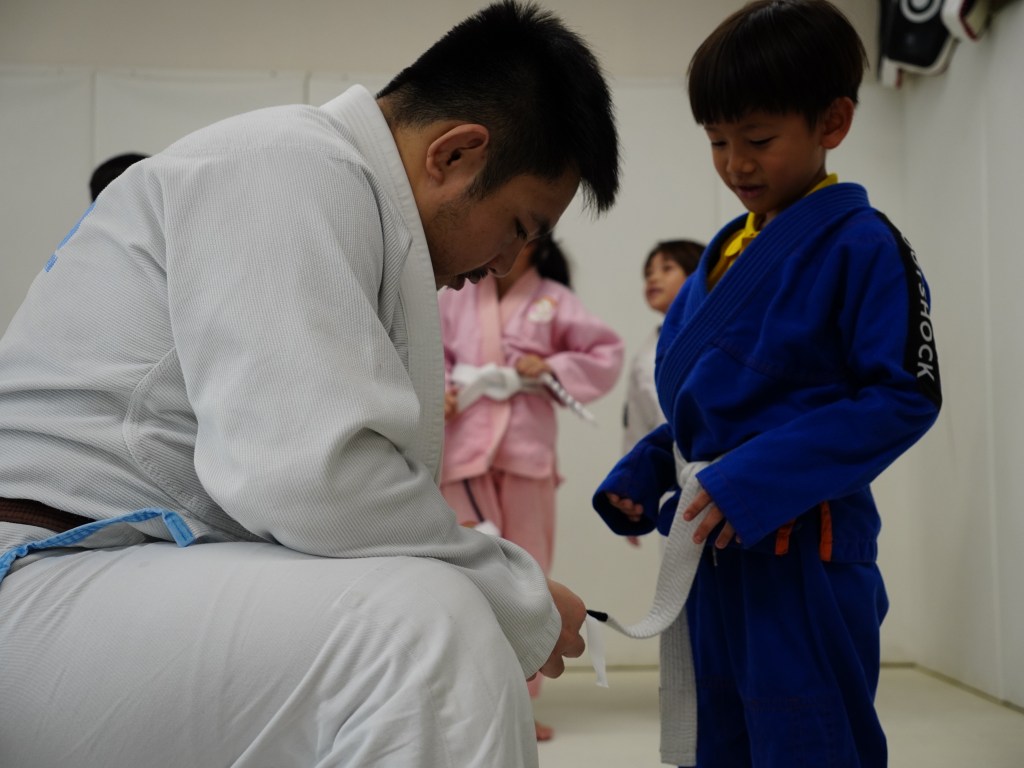
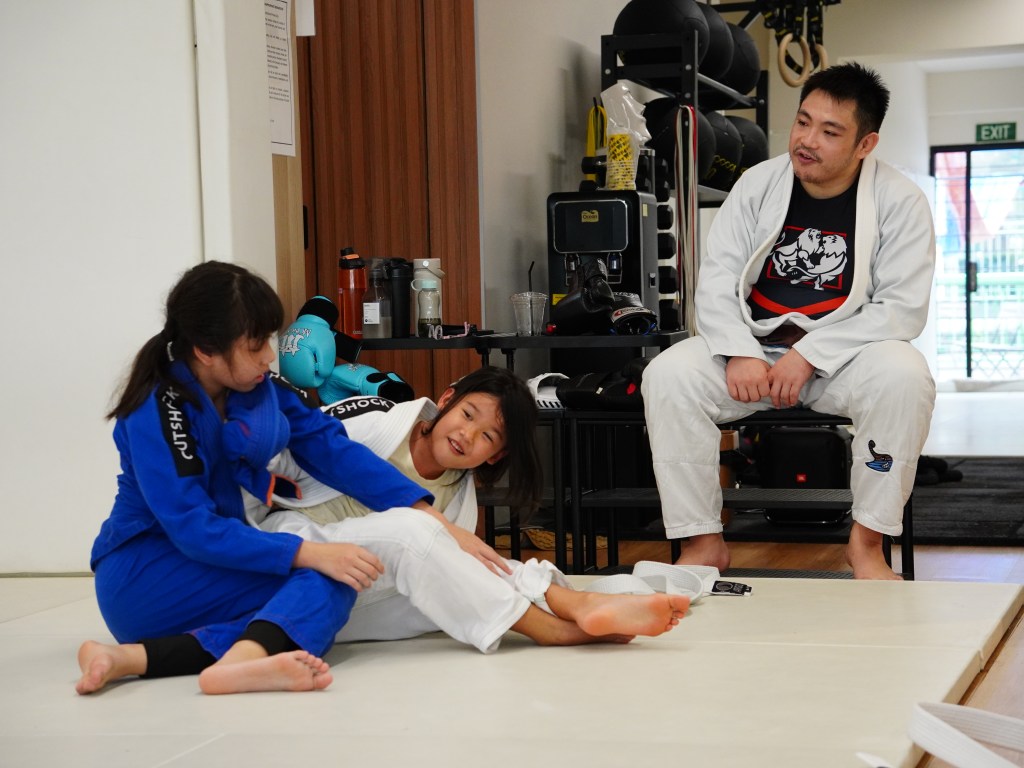
Nicholas Ooi: I try to do as much eco/cla as possible. However, I’m definitely not an eco bro as I don’t isolate and segment skills to the degree that Mr Souders/Pritt do, but try my very best not to drill or lecture. I try to spend no more than 10mins in a 60min class on instructing and performing static drilling if any and it’s more either as a rest round or as an information gap closer. For kids I split no less than 80% of a class on games with as little drill as possible. (For kids I only force specific tools -such as most recently butterfly hook sweep and the kimura submission as drilling).
Grapple Asia: Who do you draw inspiration from in terms of coaches and competitors?
Nicholas Ooi: Kurt Osiander is the first person who I saw swear while instructing. I try to emulate all the best points of all the coaches and instructors I’ve had when I teach. For competitors I draw on specific approaches to problems rather than individual athletes as I’m short and fat and have no one to copy from.
Grapple Asia: What are your future plans?
Nicholas Ooi: In terms of JJ, I’m going to try my best to do every ADCC Asian trials that I can and I’d like to compete as much as possible in 2026 with being injury free being the main focus. Hopefully I win a spot on a team and get to represent Singapore in the 2029 SEA Games in any grappling sport (preferably Combat Sambo if it’s in that year’s program).
Grapple Asia: Lastly, who would you like to thank.
Nicholas Ooi: Thank you Mac for this opportunity to share my ramblings. I wouldn’t be here without all my training partners and students who allow me to do what I do. I think shout outs to my training facilities Singapore Submission Grappling, and Trapeze Recreation Club; as well as my employers, Argo Combat and Fitness gym, Tap Jiu Jitsu Singapore, and Homeground MMA are necessary.
 Grapple Asia